![5 Passive Income Businesses in India [Real P&L Inside]](/uploads/passive-income-ideas-india-2026.webp)
Passive Income Ideas in India 2026: 5 Businesses That Earn While You Sleep
Every "passive income" article in India tells you the same thing: start a blog, sell a course, do affiliate marketing, invest in mutual funds. That is not passive income — that is a second job with uncertain returns and a 2-year runway before you see any money.
This guide is different. It covers five physical, asset-based businesses in India that generate real monthly income with near-zero daily involvement. No content creation. No audience building. No waiting for SEO to kick in. You buy an asset, place it in a high-traffic location, and it earns revenue every day through self-service and digital payments.
The difference between a passive income "idea" and a passive income business: you should be able to take a two-week vacation without your revenue dropping.
Let us see which of these five passes that test.
What Makes a Business Truly Passive?
Before comparing options, let us define what "passive" actually means in the Indian context. A business qualifies as genuinely passive if it meets three criteria:
- No staff required for daily operations. If you need to hire someone to run it while you are at work, the business is not passive — you have just become a manager.
- Revenue collection is automated. UPI, card payments, or bank transfers that happen without you touching cash. Manual cash collection is a leakage risk and a daily chore.
- Your weekly time commitment is under 5 hours. Restocking, monitoring, and maintenance — not operations. If you need to be physically present for the business to function, it is a job.
Most "passive income ideas" fail the first test. A rental property passes all three — but requires ₹30L–₹1Cr+ capital and years to appreciate. At the ₹3–10 lakh investment level, here are five options that actually work.
1. AI Photo Booth (Self-Service Kiosk)
Investment: ₹3.5–6.5L + GST
Monthly net profit: ₹50,000–₹1,20,000
Weekly time: 2–4 hours
Passivity score: ★★★★★
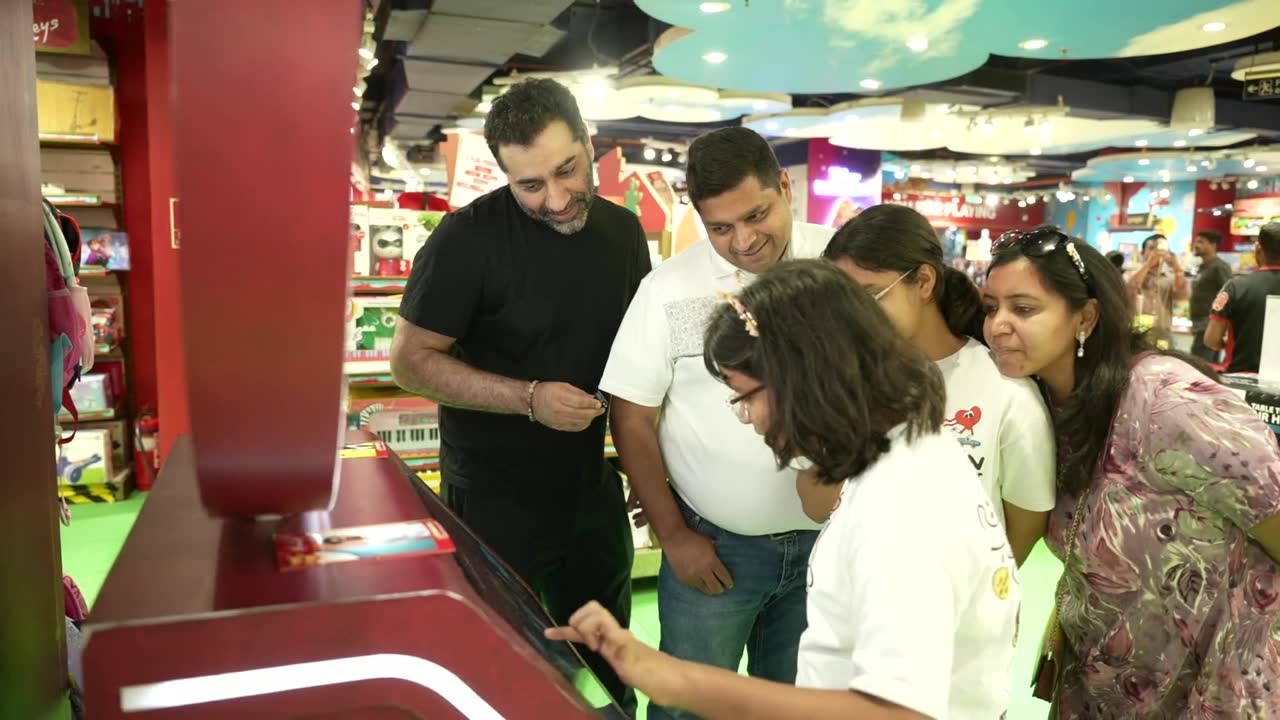
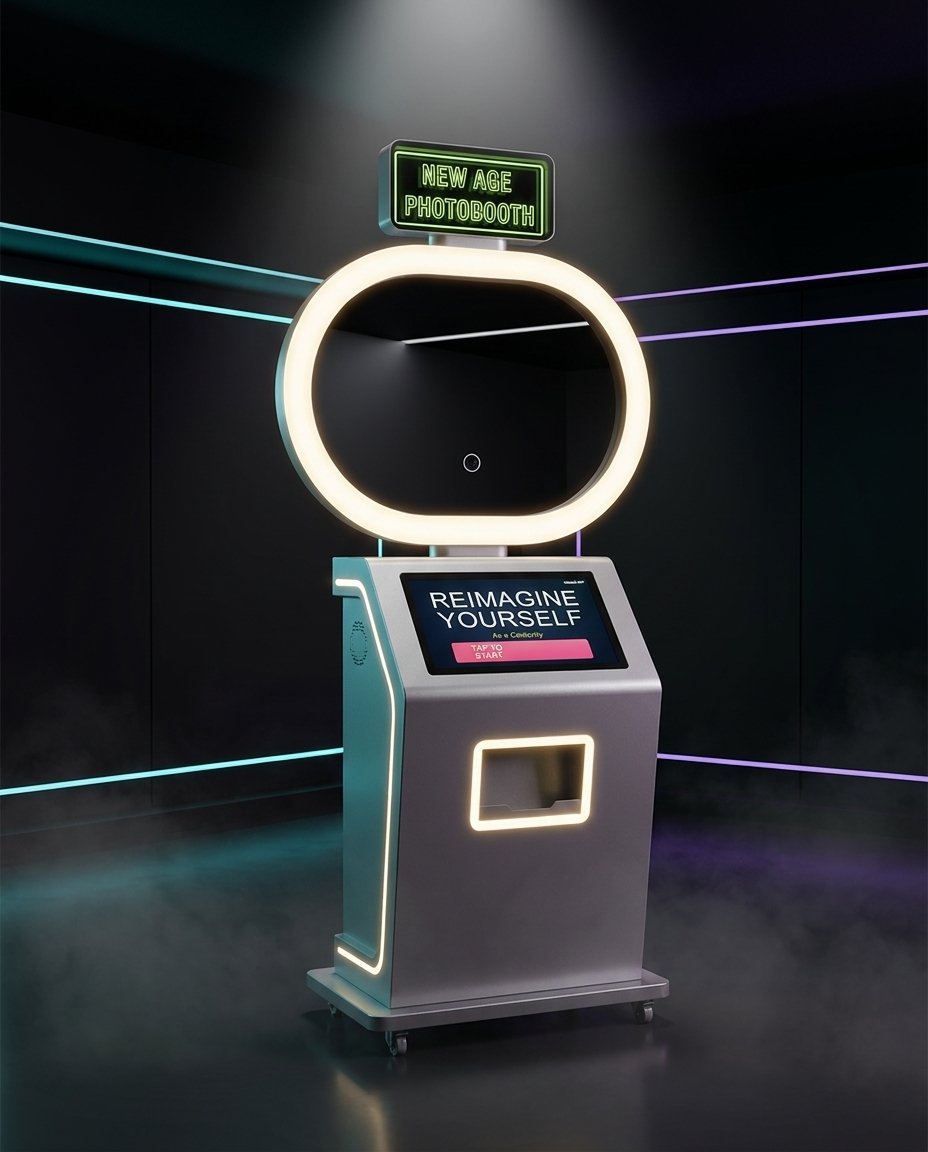
An AI photo booth is a fully automated kiosk. A customer walks up, scans a UPI QR code (Google Pay, PhonePe, Paytm), selects an AI photo effect from 200+ options on the touchscreen, poses, and receives an instant dye-sublimation print plus a WhatsApp download link — all in under 90 seconds, with zero human involvement.
The machine handles the entire transaction cycle: attract → pay → capture → process → deliver. The operator's job? Check the remote dashboard from your phone, and swing by once a week to restock print paper. That is it.
A realistic monthly P&L (mid-tier metro mall, ₹149/session):
| Line item | Amount |
|---|---|
| Weekday revenue (22 days × 35 sessions × ₹149) | +₹1,14,730 |
| Weekend revenue (8 days × 65 sessions × ₹149) | +₹77,480 |
| Gross revenue | +₹1,92,210 |
| Mall rent | −₹30,000 |
| Print consumables | On request |
| Electricity + internet | −₹2,500 |
| Maintenance reserve | −₹3,000 |
| Net profit | +₹1,11,560 (~58% margin) |
Running costs depend on your print volume and paper choice. Ask us for the numbers for your venue.
At ₹1.1L/month net profit on a ₹4.1–6.5L investment, ROI arrives in 6–14 months. After that, every month is profit.
Why this tops the list:
The per-session revenue is ₹149–₹299 — far higher than any vending machine or ATM transaction. UPI collection means zero cash handling and a complete digital audit trail. And the AI effects (turn yourself into a Bollywood hero, K-pop star, anime character, superhero) create social media sharing that markets your booth for free.
Scaling: Your second booth doubles revenue but barely increases your workload. Many operators run 3–5 booths across a metro area, all managed from a single remote dashboard.
The catch: Location determines everything. A booth near a food court outperforms a basement placement by 3–4x. Do your mall homework before committing.
See Pikcha AI Photo Booth pricing → | Calculate your ROI →
2. Vending Machine Network (5–8 Units)
Investment: ₹3–8L (₹60K–₹1.2L per machine)
Monthly net profit: ₹15,000–₹45,000
Weekly time: 4–6 hours (restocking routes)
Passivity score: ★★★★☆
Vending machines are India's original passive income machine. Snacks, beverages, or combo machines placed in offices, hospitals, gyms, and college campuses generate per-sale revenue around the clock.
The numbers:
A snack/beverage machine in a busy office lobby does 25–40 transactions per day at ₹20–₹50 per item. Your wholesale cost is 40–50% of sale price. Net per machine: ₹5,000–₹15,000 per month.
With 5–8 machines spread across locations, total monthly net is ₹25,000–₹45,000. Not life-changing, but it scales with more machines and you can service all of them in a single weekly restocking route.
The limitation:
Thin margins. You are selling ₹10 chips for ₹20 — the upside per transaction is capped. Photo booth running costs depend on print volume and paper choice; a vending machine margin rarely exceeds 50%. You also need to physically restock every machine weekly, which means driving around — not truly hands-free.
Best for: People who want moderate, predictable income and are willing to build a route-based restocking schedule. Works well as a complement to a higher-margin passive business.
3. ATM Franchise (White-Label ATM)
Investment: ₹3–5L
Monthly net profit: ₹8,000–₹25,000
Weekly time: 1–2 hours
Passivity score: ★★★★☆
White-label ATMs through franchise networks (Tata Indicash, Hitachi Payment Services, BTI Payments) let you earn ₹8–₹12 per withdrawal transaction. Place the ATM at a location you control or lease — petrol pump, kirana store, market area — and earn on every transaction.
The numbers:
A semi-urban ATM processes 50–100 withdrawals per day. At ₹10 average per transaction: ₹15,000–₹30,000 gross per month. After rent (₹3,000–₹8,000), electricity, and insurance: ₹8,000–₹20,000 net.
Why this ranks third, not first:
UPI is killing ATM usage. In metro cities, transaction volumes are declining 10–15% year-on-year. The ATM franchise works in semi-urban and rural India where cash is still king, but the long-term trajectory is clear: this is a shrinking market. You will earn today, but plan for declining volumes.
Best for: People with access to high-traffic locations in tier-3 towns or rural areas. A cash-cow now, but a sunset business over 5–10 years.
Planning a Gaming Zone?
Get expert recommendations and pricing for your venue: including the Pikcha AI photo booth, a self-service photo attraction to evaluate for your venue. No obligation.
4. EV Charging Stations (2–3 Units)
Investment: ₹4–8L (2–3 slow/moderate chargers)
Monthly net profit: ₹10,000–₹30,000
Weekly time: 1–2 hours
Passivity score: ★★★★☆
India sold 1.5 million EVs in 2024 and the number is growing 40%+ annually. EV charging stations — especially at apartment complexes, offices, and highway stops — are a genuinely passive infrastructure play.
The numbers today:
A 7.4–22 kW charger handles 5–15 sessions per day at ₹80–₹200 per session. After electricity (your largest cost at ~40–50% of revenue), net profit per charger is ₹5,000–₹12,000 per month. With 2–3 chargers: ₹10,000–₹30,000 monthly.
The long view:
This is not about 2026 returns — it is about 2028–2030. When EV penetration reaches 15–30% of new vehicle sales (from ~5% today), the same chargers will see 3–5x current utilisation. If you own the location (apartment parking, petrol pump, commercial plot), your zero-rent cost structure means profit scales directly with utilisation.
Best for: Patient investors with a 3–5 year horizon and access to owned or low-rent locations. A future bet, not a quick win. But if you time it right, the asset appreciates in value as demand grows.
5. Laundromat (Self-Service)
Investment: ₹8–12L (4–6 machines + fit-out)
Monthly net profit: ₹30,000–₹80,000
Weekly time: 5–8 hours
Passivity score: ★★★☆☆
Self-service laundromats are growing in Indian metros — especially near PG accommodations, IT parks, and college areas. Customers load machines, pay via UPI or card, and collect their clothes. The machines do the work.
The numbers:
A 4-machine laundromat near a PG cluster or college campus does 15–30 loads per day at ₹80–₹150 per load. Monthly gross: ₹80,000–₹1,50,000. After rent (₹15,000–₹30,000), electricity and water (₹10,000–₹20,000), detergent costs, and one part-time attendant for cleaning/folding: ₹30,000–₹80,000 net.
Why it is not fully passive:
You need a part-time attendant (₹8,000–₹12,000/month) for machine turnovers, cleaning, and handling customer queries. Machines need regular maintenance. And the initial investment (₹8–12L) is higher than everything else on this list except a premium photo booth fleet.
Best for: People with ₹10L+ budget targeting metros with a large transient population (students, working professionals in PGs). Partially passive — you are still a manager, just not a full-time one.
The Comparison That Matters
| Business | Investment | Monthly Profit | Truly Passive? | Growth Outlook |
|---|---|---|---|---|
| AI Photo Booth | ₹3.5–6.5L + GST | ₹50K–₹1.2L | Yes — zero staff, UPI autopilot | Growing. AI effects + selfie culture + UPI adoption |
| Vending Machines | ₹3–8L | ₹15K–₹45K | Mostly — weekly restocking needed | Stable. Low margin ceiling |
| ATM Franchise | ₹3–5L | ₹8K–₹25K | Yes — fully automated | Declining. UPI replacing cash |
| EV Charging | ₹4–8L | ₹10K–₹30K | Yes — fully automated | Strong future. Modest today |
| Laundromat | ₹8–12L | ₹30K–₹80K | Partially — needs attendant | Growing in metros |
The pattern is clear. For the ₹4–6L investment range, the AI photo booth offers the highest monthly return by a significant margin — and it is the only option where you genuinely never need to be present for the business to operate.
How to Start: Three Steps
If the numbers make sense for your situation, here is the practical path for the top option on this list — the AI photo booth.
Step 1: Research locations. Visit 5–10 malls or high-footfall venues in your city. Talk to the leasing team. Count footfall. Identify placements near food courts, cinemas, or gaming zones. This is the single most important decision.
Step 2: Run your numbers. Use the photo booth ROI calculator to model revenue for your specific location, pricing, and cost assumptions. Plug in conservative session counts. If the payback is under 12 months even at conservative numbers, the deal works.
Step 3: Choose your booth. The Pikcha AI Photo Booth by Bamigos is manufactured in India with built-in UPI, 200+ AI effects, and a remote management dashboard. Three tiers: Lite (₹3.5L), Studio (₹4.5L), Pro (₹6.5L). Pan-India delivery. Contact the team for a consultation.
Explore more: Photo Booth Manufacturer India · Buying Guide · Franchise
Frequently Asked Questions
What is the best passive income idea in India with ₹5 lakh?
Based on 2026 market data, an AI photo booth installed in a shopping mall offers the best passive income at the ₹5 lakh investment level. Net monthly profit of ₹50,000–₹1,20,000, zero staff, automated UPI payments, and 2–4 hours per week of management time. Alternatives like vending machines (₹15K–₹45K/month) and ATMs (₹8K–₹25K/month) are also passive but deliver significantly lower returns.
Can I earn ₹1 lakh per month passively in India?
Yes, but not from most "passive income ideas" you read about online. At the ₹5L investment level, an AI photo booth in a well-trafficked metro mall can generate ₹1L+ net monthly profit. For comparison: you would need 15–20 vending machines or 5+ ATMs to reach the same ₹1L/month — requiring proportionally more capital and management effort.
Is vending machine a good business in India?
Vending machines are a proven passive income model in India with low risk per unit. However, margins are thin (₹5K–₹15K net per machine per month) and the business requires regular restocking visits. At ₹60K–₹1.2L per machine, you need 5–8 machines to build meaningful income — at which point you have invested ₹3–8L for ₹15K–₹45K monthly returns. Compare this to a single AI photo booth at similar investment for ₹50K–₹1.2L returns.
How is an AI photo booth passive income?
An AI photo booth operates entirely without staff. Customers pay via UPI (zero cash handling), select AI effects on the touchscreen, and receive instant prints and WhatsApp delivery — all automated. The operator monitors revenue and booth status via a remote dashboard, and visits once a week to restock print paper (15–20 minutes). With automated payment, automated sessions, and remote monitoring, total weekly involvement is 2–4 hours.
What is the ROI on a photo booth business in India?
Most photo booth operators recover their full investment within 6–14 months. The Pikcha AI Photo Booth starts from ₹3.5 lakh + GST. At a mid-tier metro mall with ₹149/session pricing and 45 daily sessions, monthly net profit is approximately ₹1,10,000 — implying full payback on the Lite tier in 4–5 months. See the detailed revenue analysis for breakdowns by venue type.
Is EV charging station a good investment in India in 2026?
EV charging is a legitimate passive income play with a 3–5 year horizon. Current returns are modest (₹10K–₹30K/month on ₹4–8L invested) because EV penetration is still low (~5% of new vehicle sales). But utilisation will grow 3–5x as adoption increases. If you own the location and can afford to wait, it is a strong long-term bet. If you need returns within 12 months, it is too early.
What passive income business works in tier-2 and tier-3 cities in India?
All five businesses in this guide work in tier-2 cities, but with adjusted expectations. AI photo booth revenue in tier-2 malls typically ranges ₹50,000–₹1,00,000/month (vs ₹1–₹3L in tier-1). ATM franchises actually perform better in smaller cities where cash usage is higher. Vending machines work in any office or hospital. EV charging is best deferred until local EV adoption picks up. The key in smaller cities is lower rent, which protects your margins even at lower volumes.