Prices in this guide are typical Indian market ranges, not Bamigos quotes. Ask us for yours.
Quick answer: Start by choosing a venue format, checking the lease and utilities, and building an equipment-and-operating budget. Bamigos' planning ranges are ₹15–25 lakh for a small 500–800 sq ft gaming zone, ₹28–50 lakh for a 1,000–1,500 sq ft zone, and ₹55 lakh–₹1.15 crore for a larger FEC. These are indicative planning ranges, not fixed quotes or a promise of profit. A single photo booth is a different, smaller business format.
How much does it cost to start a gaming zone in India?
The answer depends on usable space, equipment mix, site condition, lease terms and operating needs. Compare like-for-like scopes: an equipment quotation alone is not the total cost of opening a venue.
| Format | Indicative usable area | Planning investment range |
|---|---|---|
| Small gaming zone | 500–800 sq ft | ₹15–25 lakh |
| Mid-size gaming zone | 1,000–1,500 sq ft | ₹28–50 lakh |
| Larger family entertainment centre | 2,000+ sq ft | ₹55 lakh–₹1.15 crore |
Large-format attractions, premium interiors, a costly lease deposit or a different mix of games can move a project beyond these ranges. Obtain an itemised quotation and confirm taxes, transport, installation, electrical work and working capital separately. Use the gaming-zone cost breakdown to prepare your budget.
1. Choose a format and customer group
A family arcade, a compact mall gaming zone and a VR venue need different layouts and staff. Decide who the venue serves, what a visit should include, and how long customers are likely to stay. A larger FEC may combine attractions with arcade machines; a small venue should prioritise a manageable mix of games.
Visit comparable venues and observe ordinary weekdays as well as weekends. Record footfall, queue lengths, available space and visible pricing. Those observations are more useful than copying another venue's claimed revenue.
2. Check the location before ordering equipment
- Measure usable floor area, clear height, entrances and delivery access.
- Check electrical capacity, ventilation, internet access, storage and maintenance access.
- Agree lease duration, deposit, escalation, revenue-share terms where applicable, and who pays for site preparation.
- Allow space for people, queues and circulation as well as the machines.
- Confirm venue permissions and applicable local requirements with the landlord and qualified local advisers before signing or installing.
A good equipment mix cannot compensate for unsuitable access, an unaffordable lease or missing operating permissions. Discuss your floor plan through our gaming-zone setup service before finalising the layout.
3. Build a machine mix around the venue
Bamigos manufactures amusement equipment and develops games for indoor venues. Shortlist equipment by audience, footprint, throughput, maintenance needs and the experience you want customers to remember.
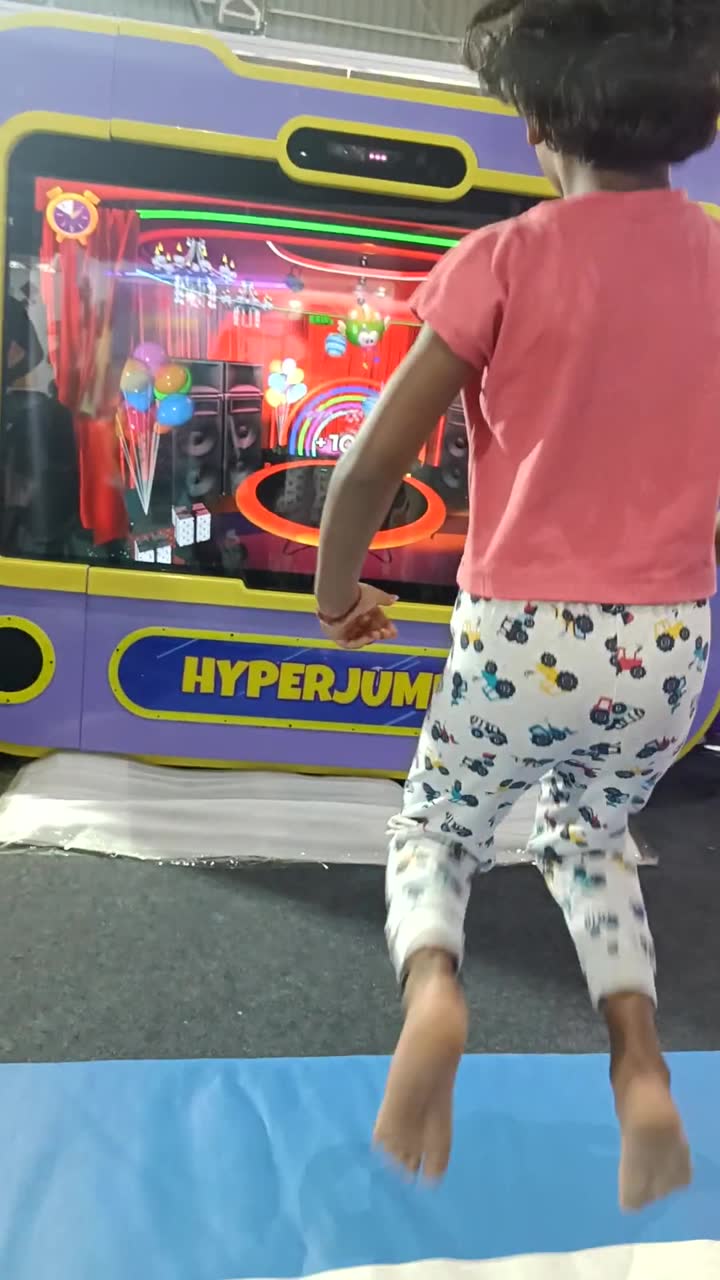
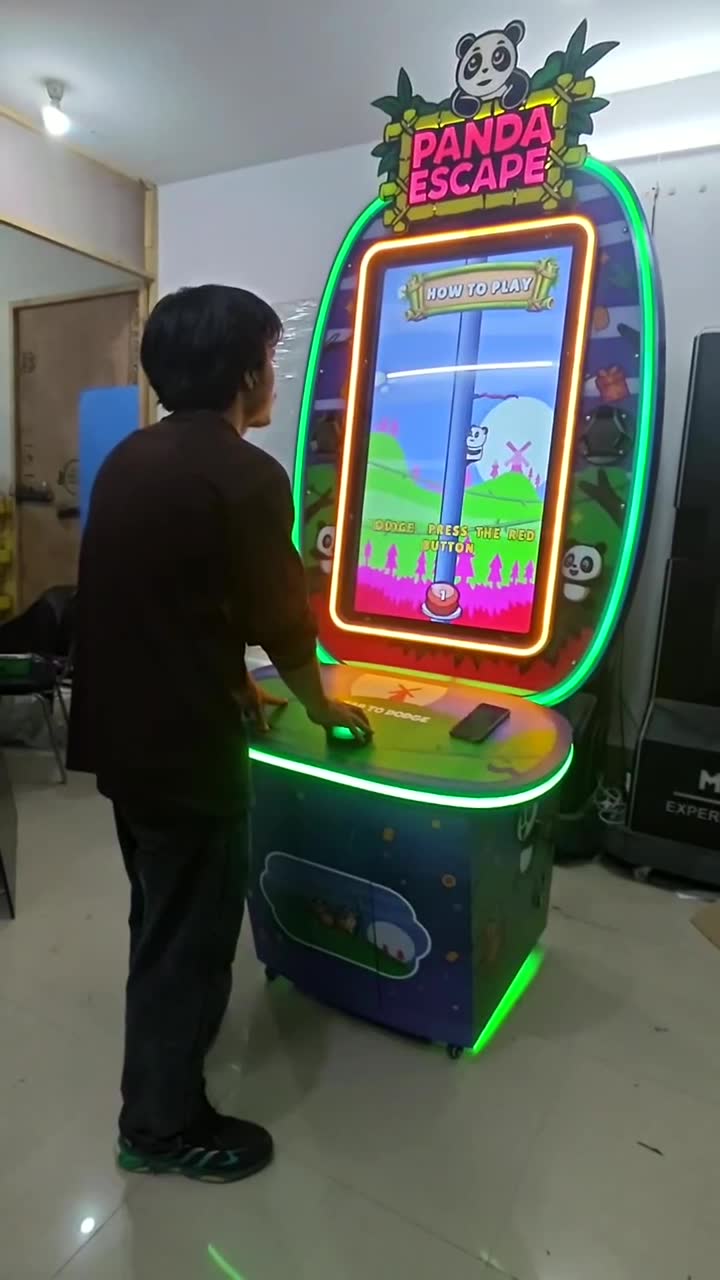
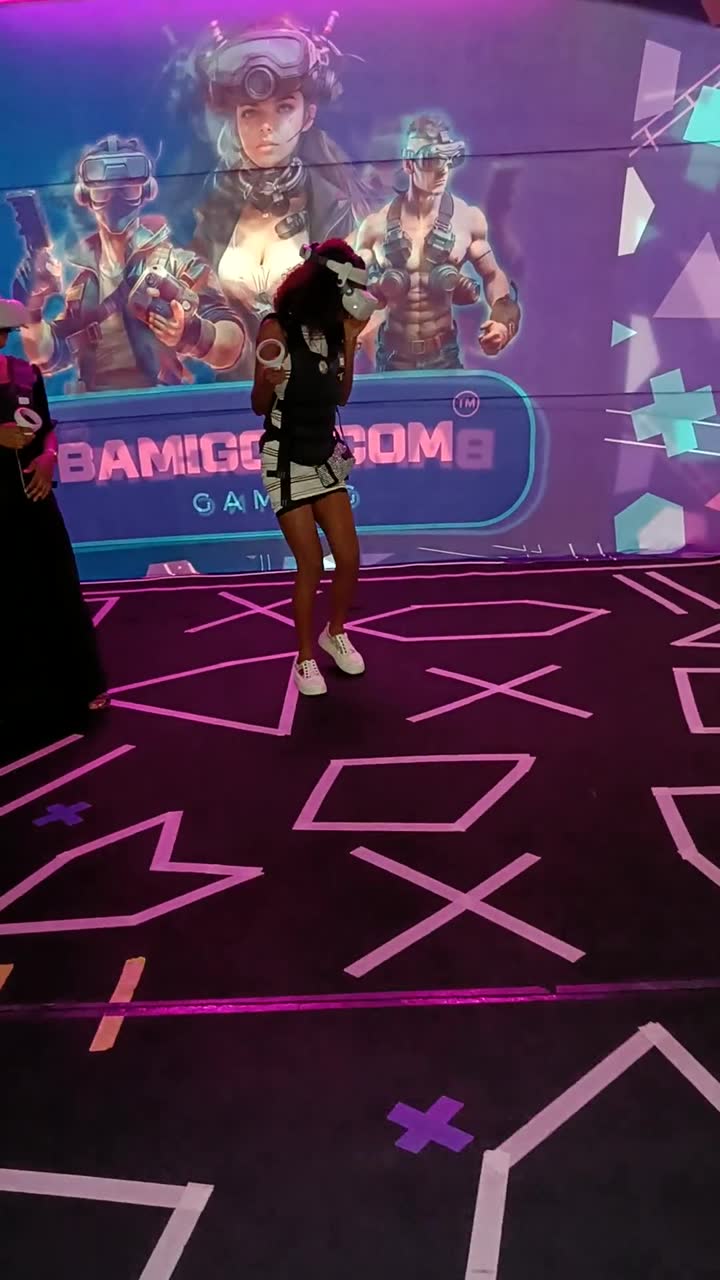
- Arcade machines for a mix of quick-play and skill-based experiences.
- Ticket redemption games, with a separate plan for prizes, redemption operations and consumables.
- Interactive floor and wall projection, matched to available space and lighting.
- VR gaming systems, with appropriate play space, supervision and operating arrangements.
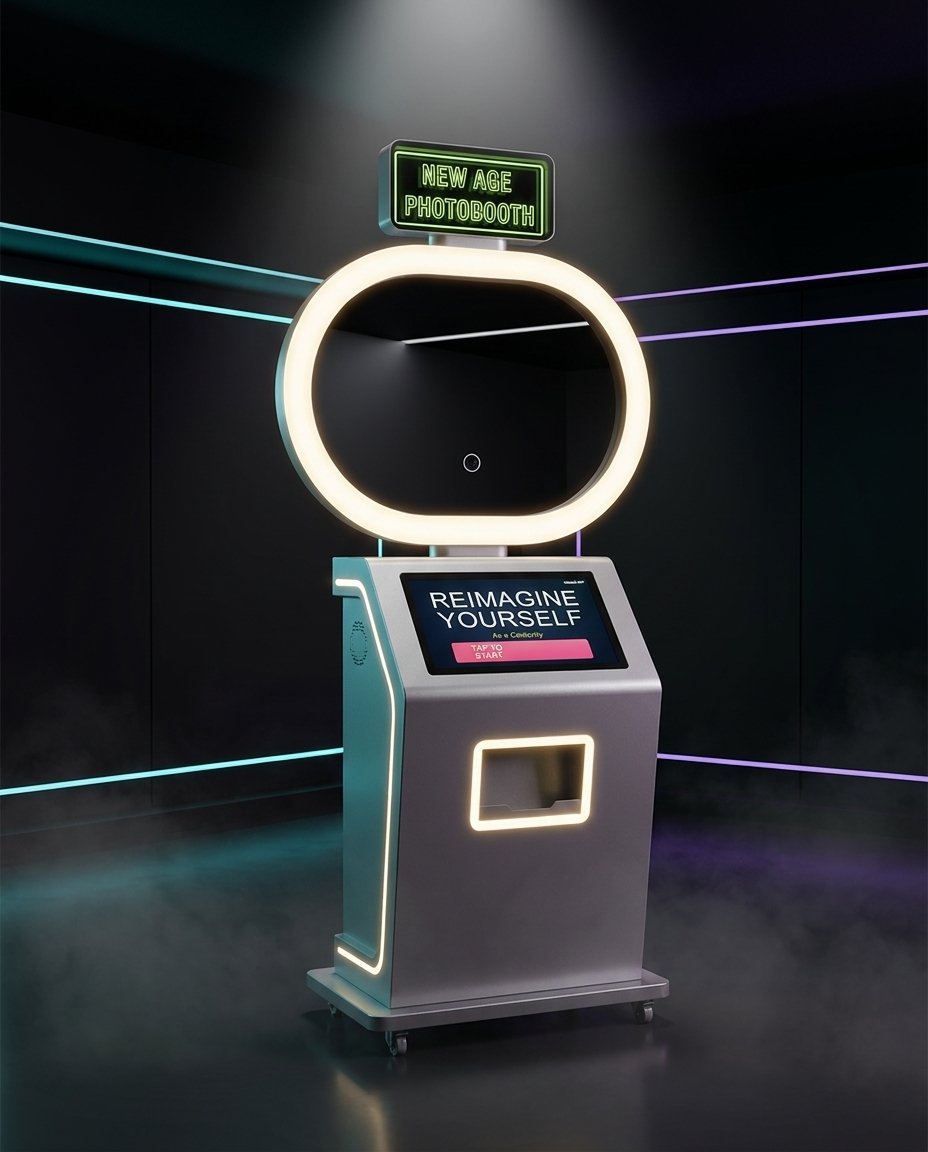
- Pikcha AI photo booths for photos, prints and digital sharing alongside the games.
- Custom games designed around your venue identity or a brand brief.
Ask for the exact configuration, dimensions, included software, support terms and installation scope for each shortlisted machine. Request a demonstration before treating a feature as part of your purchase.
4. Separate opening costs from monthly costs
Your opening budget should include equipment, interiors, electrical and network work, delivery and installation, lease deposit, initial consumables, launch costs and a cash buffer. Avoid counting only the quoted machine prices.
Monthly costs may include rent or revenue share, staff, electricity, maintenance, connectivity, consumables, prize replenishment, marketing and finance costs. Model these using your proposed site's actual terms. Our gaming-zone business plan guide can help structure the assumptions.
5. Calculate break-even using your own assumptions
Estimate paid plays from observed footfall and a conservative conversion assumption. Multiply paid plays by realised average spend, then deduct operating costs. Separate gross revenue, operating cash surplus and net profit; they are not interchangeable.
Illustrative arithmetic only: if a venue collects ₹2.4 lakh in a month and incurs ₹1.8 lakh in operating costs, the difference is ₹60,000 before any excluded finance, tax or replacement costs. Recovering a ₹20 lakh initial investment at that unchanged monthly surplus would take about 33 months. A different lease, utilisation level or equipment mix changes the result. This is not a forecast for a Bamigos venue.
Build low, base and high utilisation cases. Include weak weekdays, seasonal changes and downtime. Do not rely on a promised payback period or add event-rental revenue before you have bookings and a practical plan to serve them.
Planning a Gaming Zone?
Get expert recommendations and pricing for your venue: including the Pikcha AI photo booth, a self-service photo attraction to evaluate for your venue. No obligation.
6. Plan installation and daily operations
- Confirm a written equipment list and itemised commercial scope.
- Agree site-readiness requirements before scheduling delivery.
- Test games, payment arrangements and operating controls during commissioning.
- Assign responsibility for opening checks, customer assistance, cleaning, consumables and service escalation.
- Track revenue and downtime by machine so you can improve the mix over time.
For a new FEC or an existing venue adding attractions, see our FEC equipment range. Delivery and commissioning timelines depend on the agreed configuration and site readiness.
A smaller alternative: start with one photo booth
If a full gaming zone is too large a commitment, consider whether a single photo booth suits your venue and operating model. Pikcha's current machine range is ₹3.5–6.5 lakh plus applicable taxes, depending on tier. See the photo-booth machine prices and specifications for current inclusions.
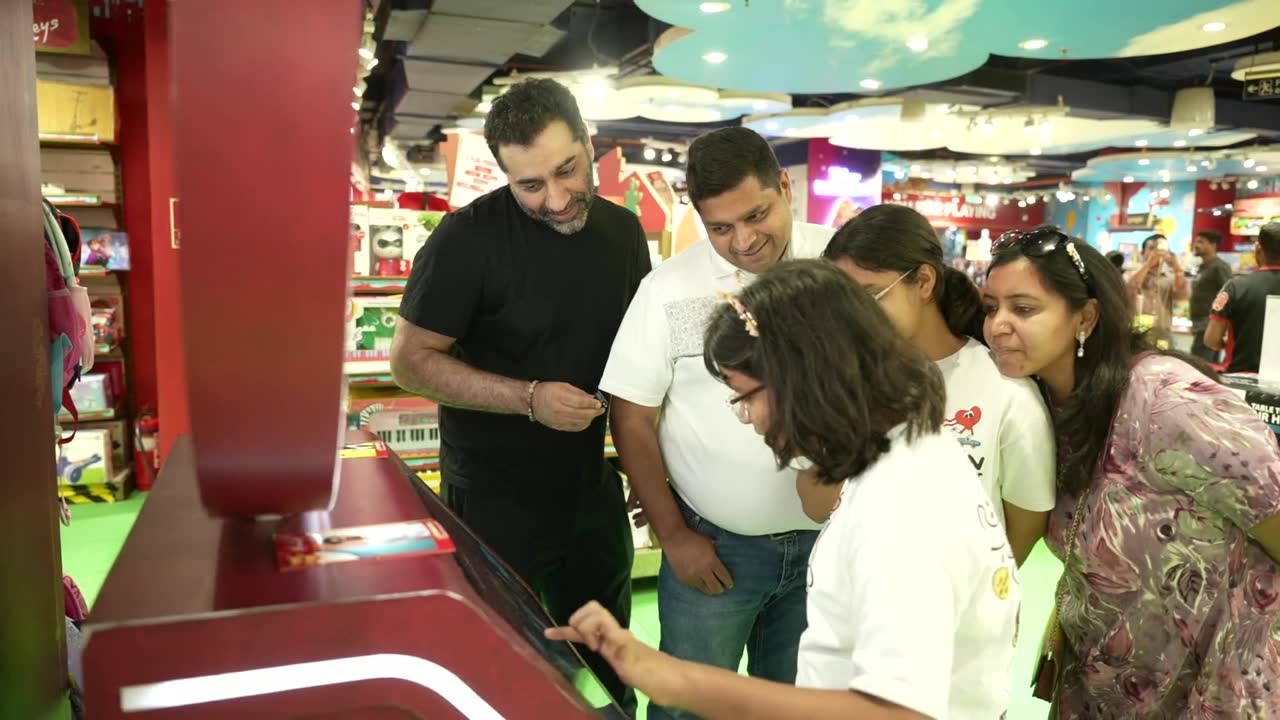
A booth still needs a suitable location, agreed commercial terms, consumables and service arrangements. A smaller footprint does not remove business risk. Buying, operating with a partner and requesting a revenue-share placement are different arrangements and should be discussed separately. See the Bamigos Venue Partnership (lease, pay per use) for the venue enquiry route.
Photo booth hire for an event
For a wedding, corporate event or brand activation anywhere in India, Bamigos offers photo-booth rentals tailored to your event. Options include AI, non-AI and custom effects, complete software UI branding, custom frames, WhatsApp and QR delivery, and 4 × 6 inch prints or 2 × 6 inch strips. Duration, print quantities, staffing, transport, custom development and taxes are agreed in the event quote. Share the location, date, time and requirements through the event enquiry form.
Frequently asked questions
What is the starting budget for a small gaming zone?
Bamigos uses ₹15–25 lakh for a 500–800 sq ft small zone as an indicative planning range. Your actual project depends on equipment, site works, lease terms and working capital. Request an itemised quote before committing.
How much space do I need?
Start with the format and machine mix. The small-zone planning example uses 500–800 sq ft, while larger FECs need more space. Include circulation, queues, access and any supervision requirements in the floor plan.
How quickly will a gaming zone pay for itself?
There is no fixed payback period. Use your site's expected paid plays, realised spend and operating costs to model scenarios, then compare actual performance with those assumptions.
Can Bamigos build custom games for my venue?
Yes. Bamigos designs machines and develops customised games for FECs, venues and brands. Share the intended audience, available space, brand brief and project requirements to discuss a suitable scope.
Can I rent a photo booth instead of buying one?
Yes. Event rentals are available across India, with availability, pricing and scope confirmed for your city, venue, dates and operating hours. Machine purchase and venue placement partnerships use separate commercial arrangements.
Get a machine mix and project quote
Share your city, usable floor area, venue type, budget range and intended opening date. Bamigos can discuss equipment, custom games and appropriate partnership options. Explore gaming-zone setup or send your project requirements.
![How to Start a Photo Booth Business in India: Complete Guide [2026]](/uploads/how-to-start-photo-booth-business-india.webp)