India's indoor entertainment industry is experiencing unprecedented growth. With the market projected to reach ₹9,218 crore by 2030 and established players reporting 40%+ profit margins, this is one of the most attractive business opportunities for entrepreneurs willing to invest in family entertainment. This comprehensive guide covers everything you need to know to start and succeed in this booming sector.
The Market Opportunity: Why Indoor Entertainment is Booming
Market Size and Growth
India's indoor amusement and family entertainment center (FEC) market tells a compelling story:
- Current market size (2025): ₹4,350 crore (approximately USD 1 billion)
- Projected market size (2030): ₹9,218 crore
- Growth rate: 16%+ CAGR, faster than most consumer segments
- Global context: The worldwide FEC market is expected to grow from USD 34.4 billion (2025) to USD 93.5 billion by 2035
According to Grand View Research, the India indoor amusement center market generated USD 1,009.4 million in 2024 and is expected to grow at a CAGR of 11.3% from 2025 to 2030.
Why the Explosive Growth?
Several macro-trends are fueling this expansion:
Rapid Urbanization
Over 500 million Indians now live in cities, creating concentrated demand for indoor entertainment within easy reach of residential areas. Families want quality entertainment options close to home.
Rising Disposable Incomes
India's middle class is expanding rapidly, with increasing willingness to spend on experiential entertainment rather than just material goods. Parents are investing in memorable experiences for their children.
Mall Proliferation
With over 500 new malls planned across India by 2030, the retail real estate sector is actively seeking entertainment anchors to drive footfall. FECs have become essential components of successful mall developments.
Weather-Independent Entertainment
India's extreme climate—scorching summers reaching 45°C and heavy monsoons—makes climate-controlled indoor entertainment particularly attractive for family outings.
Youth Demographics
With 65% of India's population under 35 years old, there's a natural affinity for gaming, adventure activities, and social entertainment experiences. India's gaming market grew 23% year-over-year to $3.8 billion in FY24.
International Brand Entry
The arrival of global brands like Dave & Buster's (with plans for 15 India locations) signals strong market confidence and is raising consumer expectations across the industry.
Understanding the Competitive Landscape
Before entering this market, you need to understand who you'll be competing with—and more importantly, where the opportunities lie.
Major National Players
| Company | Format | Est. FY24 Revenue | Centers | Key Insight |
|---|---|---|---|---|
| Timezone | Arcade + FEC | ₹466-471 Cr | ~70 | Revenue leader, ₹6.5-7 Cr per center |
| Fun City | Kids Arcade | ~₹300 Cr* | 80+ | Targeting 15% market share |
| Smaaash | Bowling + VR | ₹112 Cr | ~11 | Now Nazara-owned |
| SkyJumper | Trampoline | ₹75.1 Cr | 20+ | 43% PBT margin |
| Masti Zone | Multi-format | ₹29.9 Cr | 20+ | ₹700 Cr expansion planned |
| Amoeba | Bowling + Arcade | ~₹60-65 Cr | 20+ | 20+ years experience |
| Bounce Inc | Adventure Park | ₹100-150 Cr** | 5 | Premium large-format |
| Dave & Buster's | Premium FEC | New entrant | 2 | International brand entry |
*Estimated based on expansion plans; **Estimated based on industry benchmarks
Market Share Reality
Here's the crucial insight for entrepreneurs: The top players together control only about 40-45% of the total market. This fragmentation represents significant opportunity:
- There's room for new professional operators
- Regional and city-specific players can thrive
- Success requires differentiation and operational excellence, not just capital
Regional Success Stories
Smaller regional players are proving the model works beyond metros:
- Jus Jumpin (East India - Kolkata, Durgapur): ₹7.91 crore revenue FY24, 439% growth
- Hungama Game Planet (Central India - Chhattisgarh, MP, Rajasthan): ₹12.1 crore revenue FY25
- PUNO (Jaipur-based, expanding): ₹14.7 crore revenue FY23
These regional players demonstrate that local operators who understand their city's demographics and build strong relationships with schools, corporate clients, and local malls can build highly profitable businesses.
Business Models: Understanding What Actually Makes Money
Format 1: Arcade & Mall-Based FEC
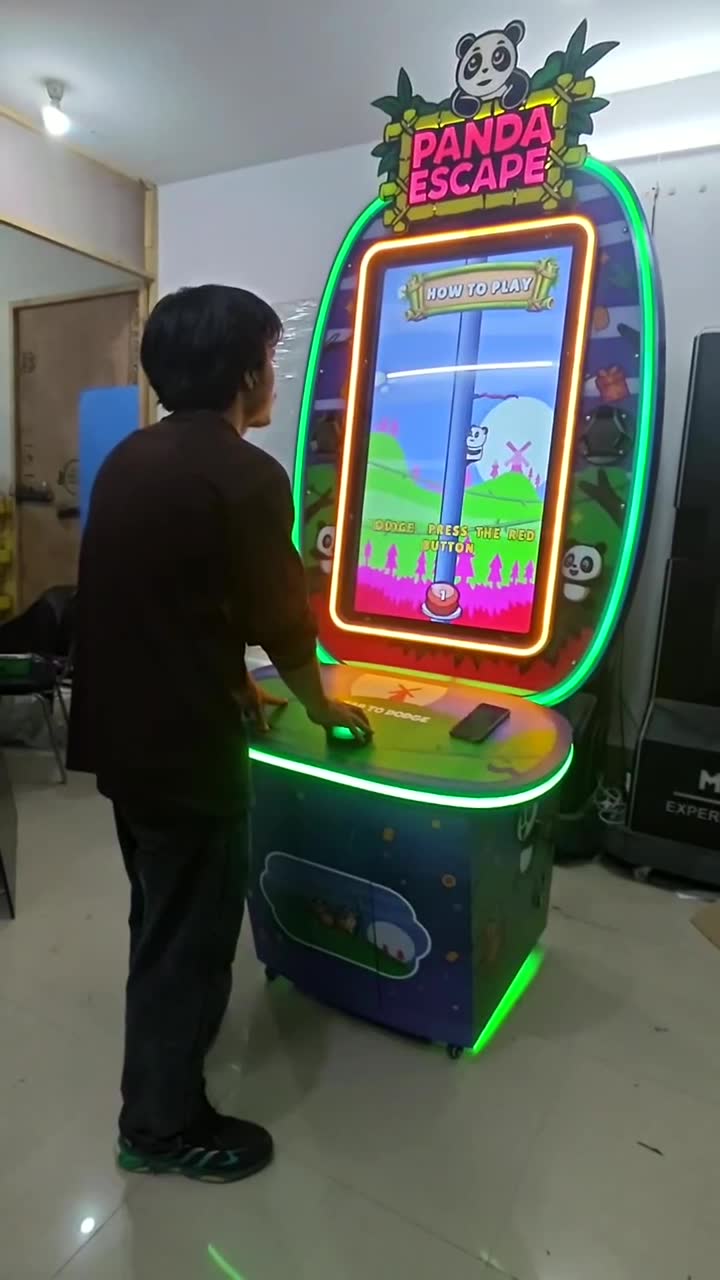
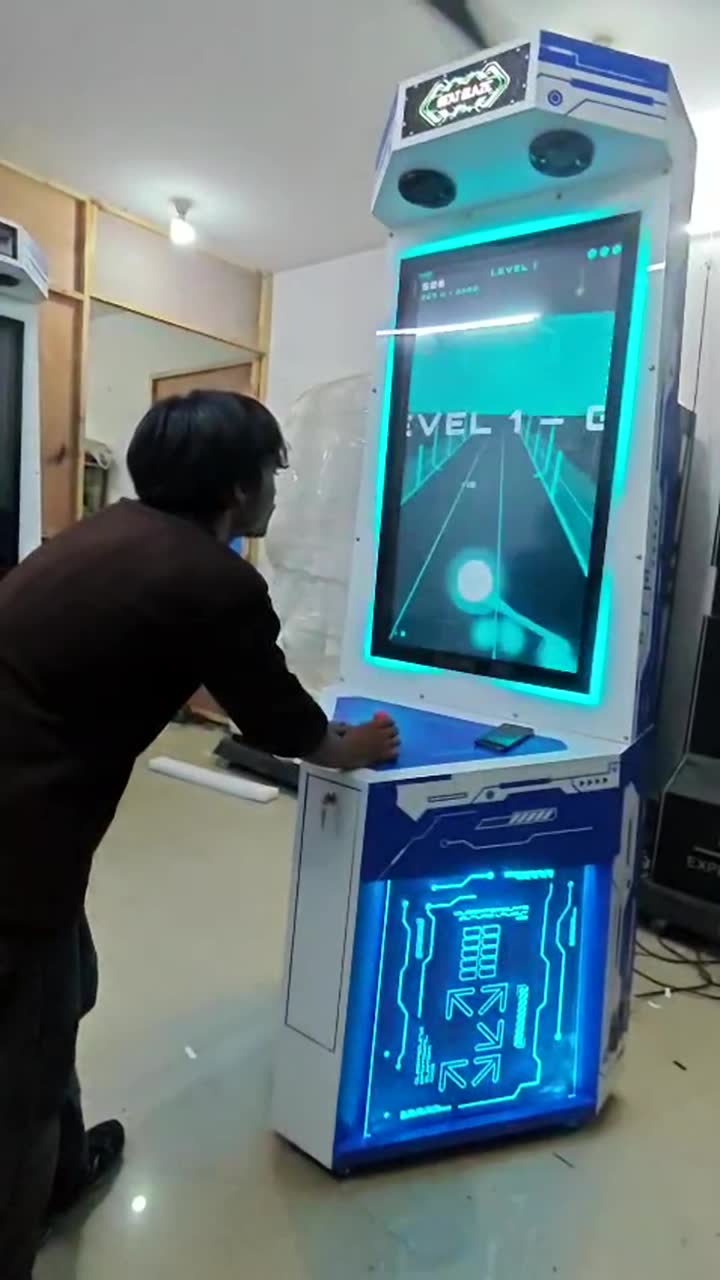
Think Timezone, Fun City, Smaaash. These venues combine arcade games, rides, VR experiences, and F&B in mall locations.
Revenue Streams
- Pay-per-play and time-based passes: 60-70% of revenue
- Food & beverage: 15-25% of revenue (highest margins)
- Birthday parties and events: 10-15% of revenue
- Corporate bookings and buyouts: 5-10% of revenue
Unit Economics
- Average center revenue: ₹5-7 crore per year (for established chains)
- Capex per center: ₹15-25 crore (depending on size and equipment)
- EBITDA margins: 20-30% for mature, well-located centers
- Payback period: 3-5 years for successful locations
What Makes It Work
- High footfall mall locations
- Mix of high-margin F&B + events on top of gaming revenue
- Strong birthday party business
- Corporate event capabilities
Format 2: Trampoline & Adventure Parks
Think SkyJumper, Bounce Inc, PUNO. These venues offer trampolines, obstacle courses, foam pits, and adventure activities.
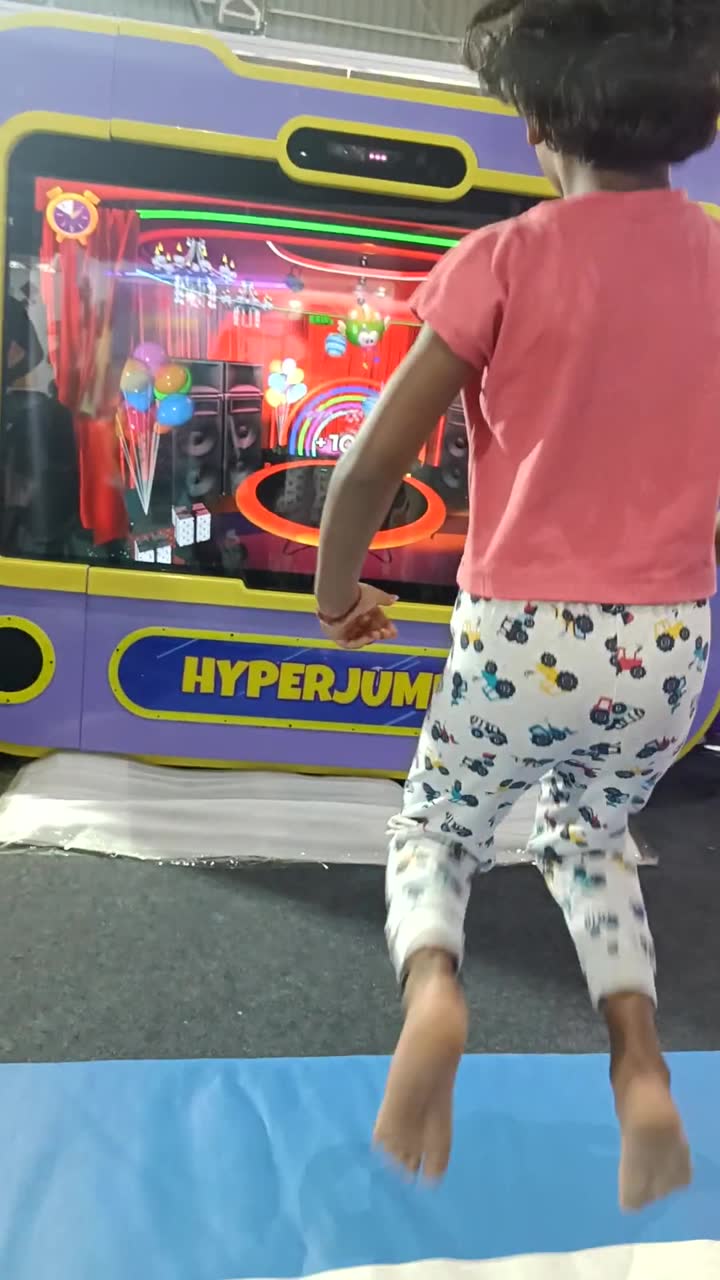
For the full cost and profit breakdown, see our trampoline park business guide.
Revenue Streams
- Session passes (45-90 minutes): 70-80% of revenue
- Birthday parties and school trips: 15-20% of revenue
- Café and merchandise: 5-10% of revenue
Unit Economics (SkyJumper Benchmark)
- Average park revenue: ₹3-5 crore per year (₹8-10 crore for large metros)
- Capex per park: ₹15-25 crore (equipment, fit-out, safety systems)
- PBT margins: 30-45% for well-run operations
- Payback period: 2-4 years for successful locations
Why Trampoline Parks Can Be More Profitable
- Higher ticket prices (₹400-900 vs ₹200-400 for arcades)
- Lower ongoing equipment maintenance costs
- Strong word-of-mouth and social media virality
- Less competition for floor space than arcades
Format 3: Small-Format Gaming Zones
Ideal for first-time entrepreneurs with limited capital. These are 1,200-3,000 sq ft venues with gaming consoles, PCs, VR setups, and arcade games.
Investment Breakdown
- Total startup capital: ₹15-50 lakhs for a 1,200-1,500 sq ft space
- Rent/security deposit: 30-40% of initial investment
- Equipment: 40-50%
- Fit-out & décor: 10-15%
- Working capital: 10-15%
Revenue Potential
- Revenue range: ₹1-3 crore per year
- Margins: 20-35% EBITDA (varies by location)
- Payback: 18-36 months
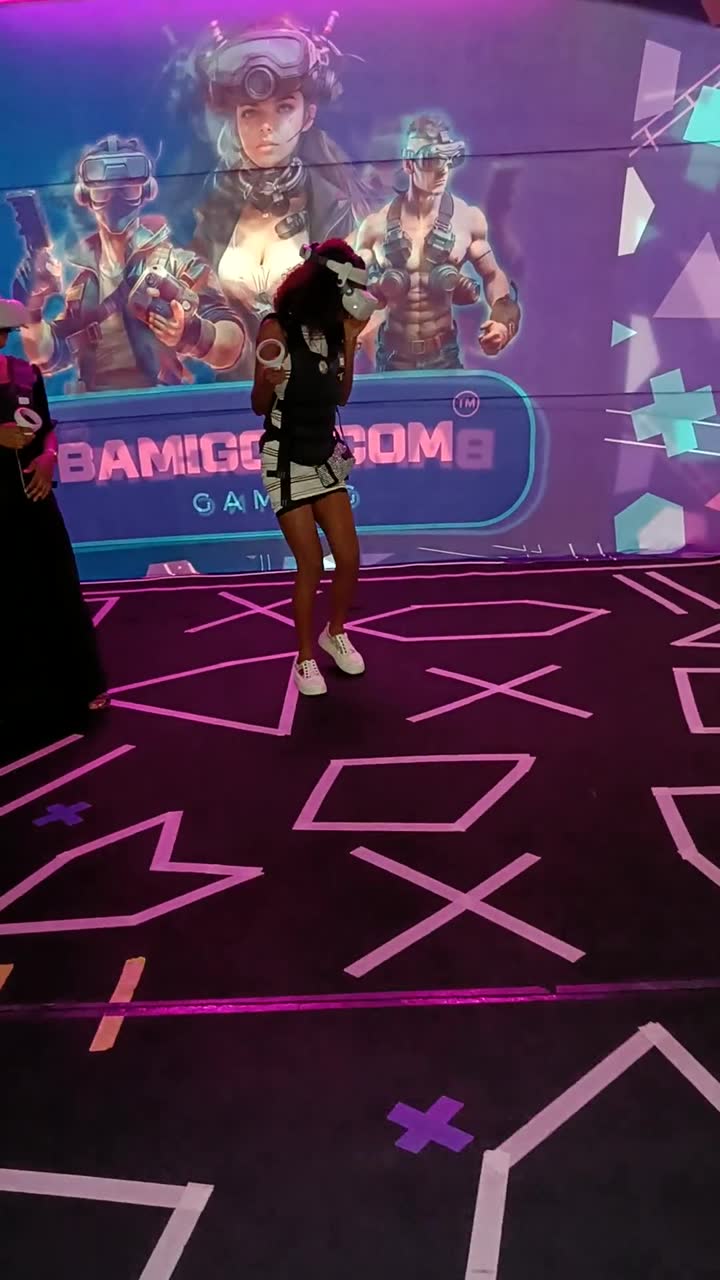
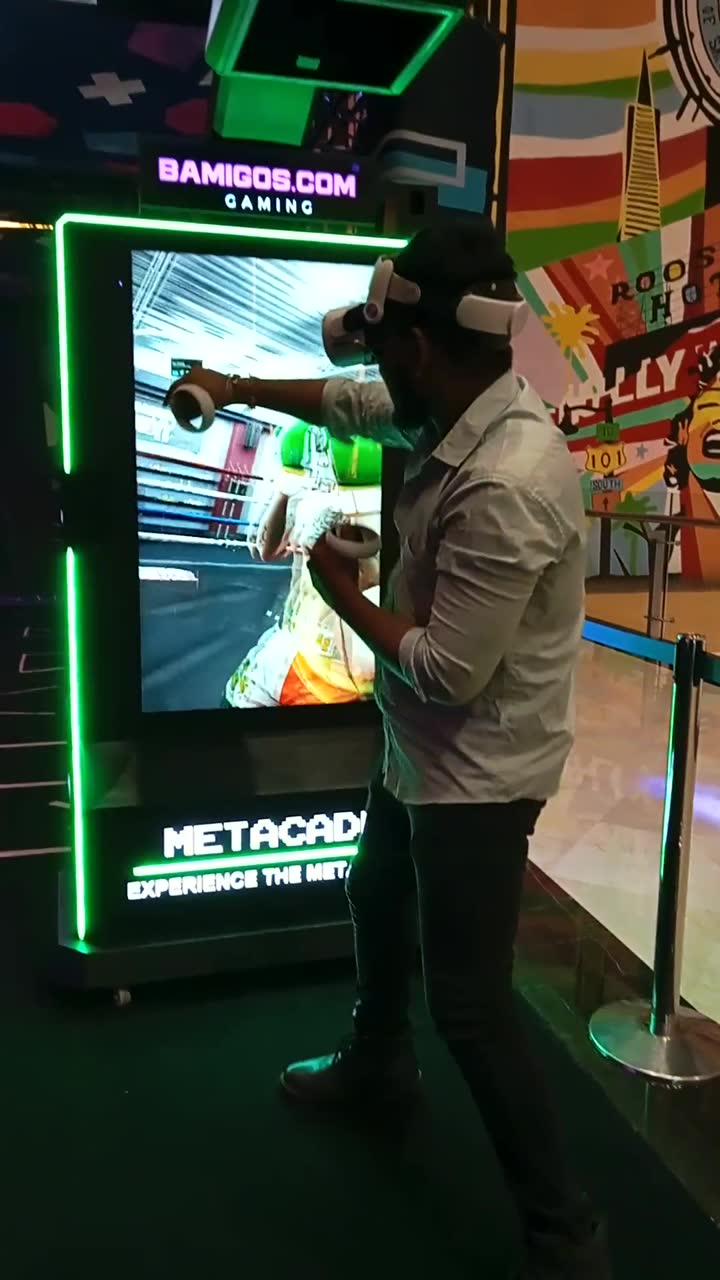
Format 4: VR Gaming Zones
Specialized VR entertainment centers are the fastest-growing segment. They offer experiences impossible to replicate at home.
Investment Tiers
- Small footprint (kiosk/mall): ₹2-12 lakhs
- Medium format: ₹13-16 lakhs
- Large format (full experience center): ₹26-45 lakhs
Advantages
- Compact footprint
- High perceived value (premium pricing possible)
- Minimal staffing requirements
- Unique experiences drive social media sharing
Format 5: Soft Play & Kids Indoor Play Areas
Think Kool Kidz, Jungle Bay, Toddle Town, Funky Monkeys. These venues focus specifically on children aged 1-10 years with soft, safe play structures.
What's Included
- Soft play structures: Climbing frames, slides, tunnels, ball pits
- Toddler zones: Age-appropriate areas for 1-3 year olds
- Party rooms: Dedicated birthday party spaces
- Café area: For parents to relax while children play
- Optional add-ons: Trampoline section, small arcade games, sensory rooms
Investment Breakdown
- Equipment cost (1,500 sq ft): ₹15-30 lakhs
- Total setup including fit-out: ₹25-50 lakhs
- Larger formats (3,000+ sq ft): ₹50 lakhs - ₹1.5 crore
Revenue Potential
- Monthly revenue potential: ₹8-20 lakhs (varies by location)
- Primary revenue: Entry fees (hourly/session-based)
- High-margin revenue: Birthday parties (30-40% of total revenue)
- Supporting revenue: Café, merchandise, school tie-ups
Why Soft Play Works
- Lower entry barrier: Can start with ₹25-30 lakhs
- Strong birthday party demand: Parents pay premium for safe, private party venues
- Repeat visits: Young children want to return frequently
- School partnerships: Field trips and annual contracts provide stable revenue
- Scalable model: Proven franchise options available (Kool Kidz, Jungle Bay)
Key Success Factors
- Hygiene and cleanliness (parents are very particular)
- Safety certifications and regular equipment checks
- Trained staff for child supervision
- Strong party package offerings
- Location near residential areas with young families
Format 6: Photo Booth Network (The Highest-ROI Entry Format)
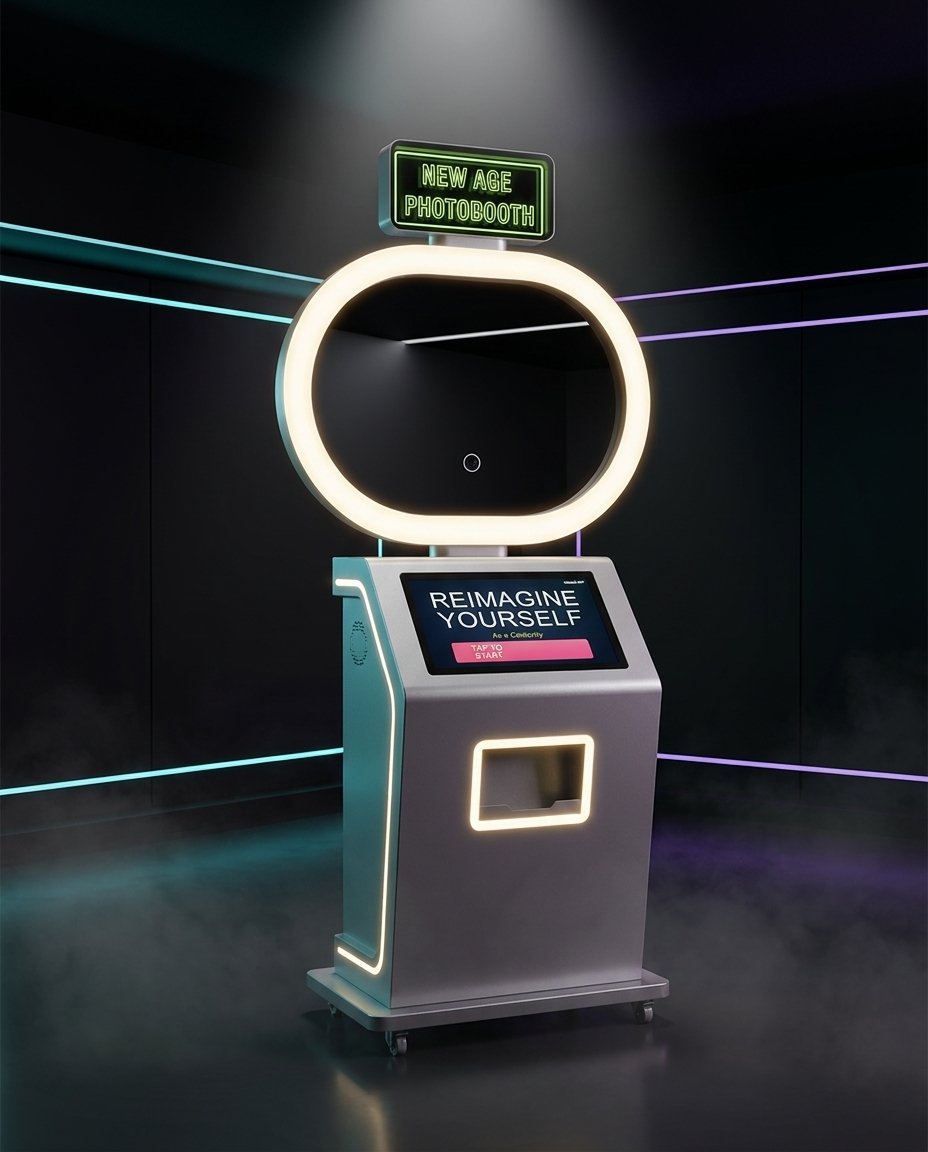
Missing from almost every guide on Indian indoor entertainment: the photo booth network. It's the highest-ROI-per-square-foot format in this industry, the lowest capex entry point, and the easiest to scale.
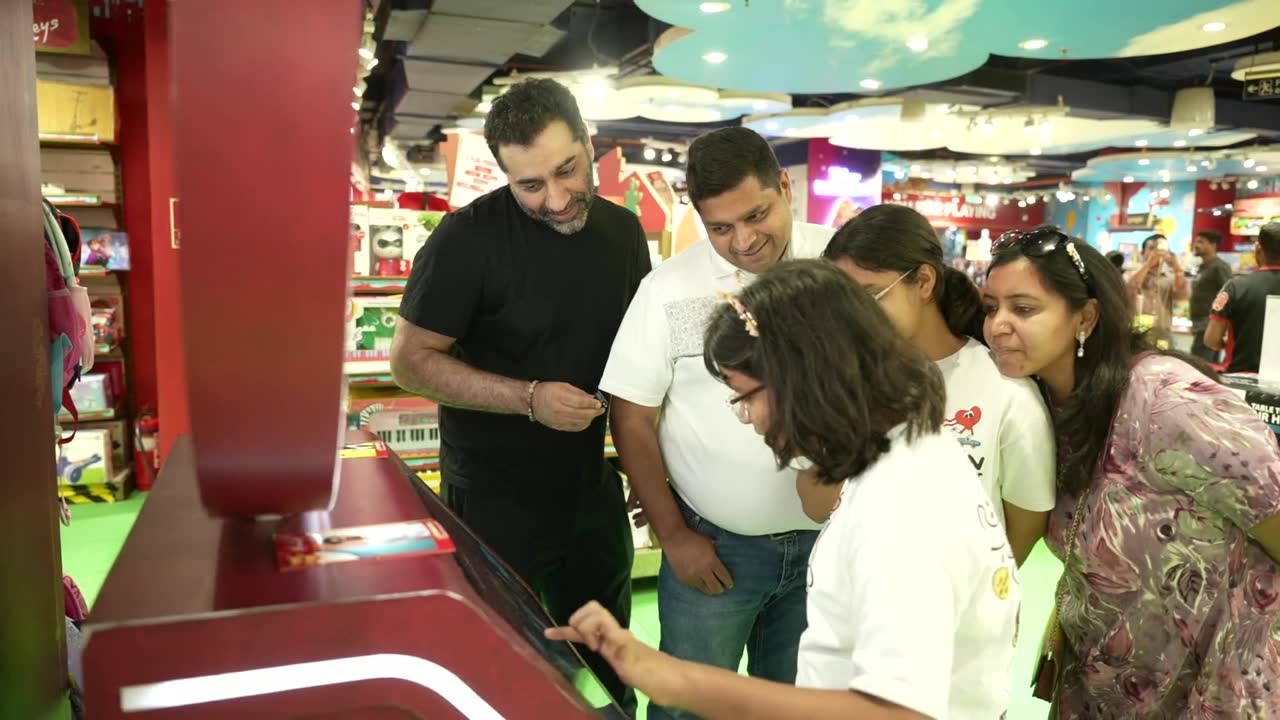
A photo booth business in India is a legitimate standalone entertainment format, not a sideline. The model: deploy 4-10 AI photo booths across malls, restaurants, and hotels in a city on revenue-share agreements. Each booth is unmanned, UPI-based, and generates ₹1-2 lakh per month at a busy mall location.
Investment: ₹3.5 lakh per booth. A 4-booth city network is ₹14 lakh. A 10-booth multi-city network is ₹35 lakh — roughly equivalent to a single starter gaming zone, but with 10× the venue coverage.
Best for: First-time entrepreneurs with ₹3.5-35 lakh budget, operators who want venue flexibility (can pause/relocate any booth in a week), and investors building revenue before committing to a larger FEC format.
Unit economics per booth:
- Capex: ₹3.5 lakh (Lite tier) to ₹6.5 lakh (Pro tier)
- Footprint: 6.3 sq ft (6.71 ft H × 3.29 ft W × 1.92 ft D)
- Venue placement: revenue-share with mall / restaurant / hotel (typically 25-30% to venue)
- Staff: Zero — unmanned, cashless
- Gross revenue: ₹1-2 lakh / month at a busy mall location
- Net to operator after venue split: ₹70K-1.4 lakh / month
- Payback: 6-14 months
- For a permanent venue, budget for equipment, consumables, connectivity, maintenance and any venue revenue share. A short event hire is a separate service; compare it with ownership using the actual operating period and quote.
Why it beats an arcade or VR entry:
- Revenue per sq ft is 3× higher than arcade machines (₹1-2 L / 6.3 sq ft versus ₹50K-1.5 L / 30-60 sq ft).
- No fixed rent — revenue-share placement means zero monthly overhead.
- Zero staff compared to 1-2 per 10 arcade machines or 2-3 for a VR zone.
- Mobile — relocate a losing booth in a week, you cannot relocate a 500 sq ft arcade zone.
- Event rental pullover adds 30-50% annual revenue per booth from weddings and corporate events.
The hybrid play most operators end up building:
Many successful FEC entrepreneurs in India don't pick a single format. They start with 3-5 photo booths (₹10-17 L) to generate cash flow, then use those earnings to fund an arcade or small gaming zone in year 2. By year 3 they're operating both — the booth network as the cash engine, the arcade/gaming zone as the destination venue. This "photo booth first, gaming zone second" ladder is the most repeatable path we see from first-time to ₹1+ crore / year operators.
Read the detailed photo booth business guide, the franchise model, or the full price breakdown (₹3.5L / ₹4.5L / ₹6.5L tiers).
Step-by-Step: How to Start Your Indoor Entertainment Business
Step 1: Define Your Format and Scale
Before anything else, decide what you're building based on your capital and risk appetite:
| Format | Investment Range | Space Required | Best For |
|---|---|---|---|
| Small gaming zone | ₹15-50 lakhs | 1,000-2,000 sq ft | First-time entrepreneurs |
| VR gaming center | ₹10-45 lakhs | 500-1,500 sq ft | Tech-focused operators |
| Mid-size arcade/FEC | ₹1-3 crore | 3,000-8,000 sq ft | Experienced operators |
| Large arcade/FEC | ₹5-15 crore | 10,000-25,000 sq ft | Well-capitalized investors |
| Trampoline park | ₹2-5 crore | 8,000-15,000 sq ft | Adventure format |
| Large trampoline park | ₹10-25 crore | 25,000-60,000 sq ft | Metro flagships |
| Soft play/kids zone | ₹25-50 lakhs | 1,500-3,000 sq ft | Kids-focused operators |
| Large soft play center | ₹50 lakhs-1.5 crore | 3,000-6,000 sq ft | Premium kids entertainment |
Which Format is Right for You?
Use this decision guide based on your situation:
If you have ₹25-50 lakhs and limited experience:
Start with a soft play zone or small gaming zone. Lower risk, easier operations, and you can learn the business before scaling.
If you have ₹1-3 crore and want steady cash flow:
A mid-size arcade/FEC in a good mall offers predictable footfall and multiple revenue streams. Consider a franchise for lower risk.
If you have ₹3-10 crore and want high margins:
A trampoline park offers the best margin potential (30-45%). Requires more space and safety focus, but the unit economics are compelling.
If you're in a Tier-2/3 city:
Start with an arcade or soft play format. These work well with lower footfall if you capture the birthday party market. Trampoline parks need higher population density.
If you want minimal staffing:
VR gaming zones or interactive projection setups need fewer attendants and can operate with 2-3 staff members.
Step 2: Business Registration and Legal Structure
Recommended legal structures:
- Proprietorship: Simplest, but limited liability protection
- Partnership: Good for 2-3 partners
- LLP: Recommended for medium investments (limited liability + tax benefits)
- Private Limited Company: Best for scaling and raising investment
Required Registrations
- Business Registration: Register your company/LLP with the Ministry of Corporate Affairs
- GST Registration: Mandatory for all commercial establishments
- Video Game Parlour License: Required in most states under the "Regulation for Licensing and Controlling Places of Public Amusement" act
- Trade License: From your Municipal Corporation
- Shop & Establishment Act Registration: State-level requirement
- FSSAI License: If serving food and beverages
- Music License: For background music (PPL/IPRS licenses)
Step 3: Obtain NOCs and Safety Clearances
This is critical—the Rajkot game zone fire tragedy underscored the importance of proper safety compliance.
Mandatory NOCs
- Fire NOC: From the Fire Department (MANDATORY)
- Police NOC: Local police verification
- Electrical Safety NOC: Electrical inspector certification
- Building Use Certificate: Confirming commercial use is permitted
- Traffic Police NOC: If in a high-traffic area
Documents Required for Video Game Parlour License
- Application form
- Affidavit on non-judicial stamp paper
- Proof of ownership/lease deed
- Site plan and photographs
- Identity proof (Aadhaar/PAN/Passport)
- GST registration certificate
- All NOCs listed above
- Character verification report
License Validity: 1 year, renewable annually. Fee is nominal (around ₹65 in Delhi).
Step 4: Location Selection
Location can make or break your business. Key factors to evaluate:
For Mall-Based FECs
- Footfall: Aim for malls with 30,000+ daily visitors
- Demographics: Family-friendly malls with strong weekend traffic
- Position: Ground floor or high-visibility areas preferred
- Rent terms: Negotiate revenue-sharing over fixed rent when possible
- Co-tenants: Presence of multiplexes, food courts, and anchor retail brands
For Standalone Venues
- Accessibility: Near residential clusters, schools, or commercial hubs
- Parking: Adequate parking is essential for family visitors
- Visibility: Ground floor with prominent signage
- Ceiling height: Minimum 12-14 feet for trampoline parks, 10+ feet for arcades
Rent Benchmarks
- Tier-1 malls (Mumbai, Delhi, Bangalore): ₹150-400 per sq ft/month
- Tier-2 city malls: ₹80-150 per sq ft/month
- Standalone properties: ₹30-80 per sq ft/month
Step 5: Equipment Sourcing
Your equipment choice directly impacts visitor experience, maintenance costs, and revenue potential.
For Arcade/FEC
- Arcade machines: Redemption games, video games, kiddie rides
- Interactive games: Interactive floor/wall projection, motion-sensing games
- VR equipment: VR pods, Metacade and Metablaster VR systems
- Soft play: Ball pits, climbing structures (for kids zones)
- Bowling: High capex but strong returns (₹3-5 crore for 8-lane setup)
For Trampoline Parks
- Trampolines: Wall-to-wall trampoline courts
- Foam pits: For safe landings
- Obstacle courses: Ninja warrior style challenges
- Safety padding: Critical for all hard surfaces
- Air bags: For jump zones
Sourcing Options
- Indian manufacturers: Lower cost, easier service, no import duties (companies like Bamigos, SkyJumper manufacture locally)
- International imports: Premium equipment from US, Europe, China
- Used equipment: Can reduce capex by 30-40% but check condition carefully
Tip: Companies like SkyJumper and Masti Zone have achieved backward integration by manufacturing their own equipment, dramatically reducing costs—ask your equipment supplier about maintenance contracts and spare parts availability.
Step 6: Technology and Operations Setup
Essential Systems
- RFID/card system: Cashless gameplay and easy tracking
- POS system: For tickets, food, merchandise
- CCTV: Security and operational monitoring
- Booking system: Online reservations for parties and events
- CRM: Customer database for marketing
Staffing Requirements (For Mid-Size FEC)
- Center Manager: 1 (₹40,000-80,000/month)
- Floor supervisors: 2-3 (₹20,000-35,000/month)
- Game attendants: 5-10 (₹12,000-18,000/month)
- F&B staff: 2-4 (₹12,000-18,000/month)
- Housekeeping: 2-3 (₹10,000-15,000/month)
Key Insight: Staff training is critical. Safety training for trampoline parks is non-negotiable—one accident can destroy your business.
Step 7: Insurance and Risk Management
Don't skip this—entertainment venues carry significant liability risk.
Required Insurance Coverage
Planning a Trampoline Park?
Get equipment pricing and setup guidance for your trampoline park.
- General liability insurance: Covers bodily injury and property damage claims
- Product liability insurance: Protects against equipment defects
- Workers' compensation: Covers employee injuries
- Property insurance: Covers equipment, fit-out, and inventory
- Business interruption insurance: Covers revenue loss during closures
Cost Benchmarks
- Annual insurance premiums typically range from 4-8% of total initial investment
- For a ₹2 crore trampoline park: expect ₹8-16 lakhs annually in insurance
- Parks with ASTM-compliant equipment and trained staff save up to 30% on premiums
Risk Mitigation
- Mandatory safety waivers for all visitors (though waivers have limitations)
- Daily equipment inspections
- Annual professional safety audits
- Documented safety training for all staff
- Clear safety rules posted prominently
Franchise vs. Independent: Which Path to Choose?
Franchise Options in India
| Brand | Investment Range | Format | What You Get |
|---|---|---|---|
| Timezone | ₹1.5-3 crore | Arcade + FEC | Established brand, proven model |
| PlayZone | ₹1-2 crore | eSports + VR | Modular model, scalable |
| OMG | ₹50 lakhs+ | Gaming lounge | Youth-focused, eSports |
| Kool Kidz | ₹40-80 lakhs | Kids soft play | School partnerships, 600+ school tie-ups |
| Jungle Bay | Varies | Kids play + café | Integrated play zone + restaurant model |
| Toddle Town | Varies | Kids soft play | Mall-based kids play area pioneer |
| Funky Monkeys | Varies | Kids play zone | Nazara-backed, metro presence |
SkyJumper Franchise: A Much-Awaited Development
One of the most anticipated developments in Indian indoor entertainment is SkyJumper's upcoming franchise model. As India's most profitable trampoline park chain with 43% PBT margins and ₹75+ crore revenue, SkyJumper has proven the trampoline park model works exceptionally well in India.
The company is currently expanding through company-owned stores and testing new formats including:
- Curious Kids: A format targeting younger audiences
- SkyJumper Luxe: A premium variant for upscale locations
- Sporty OG: A sports-focused concept
With plans to open 20 new entertainment centres by FY26 and these new format variants being tested, industry observers expect SkyJumper to formally launch its franchise program in the near future. For entrepreneurs interested in the trampoline park format, this would provide access to India's most successful trampoline operator's playbook, systems, and brand recognition.
Why this matters: A SkyJumper franchise would offer entrepreneurs a proven model with demonstrated 30%+ margins—a rarity in the franchise world. Watch this space for announcements.
Franchise Pros
- Brand recognition and marketing support
- Proven systems and SOPs
- Equipment sourcing at scale discounts
- Training and operational support
- Lower risk of failure
Franchise Cons
- Ongoing royalty fees (typically 5-8% of revenue)
- Limited flexibility in operations and pricing
- Dependence on franchisor's decisions
- Territory restrictions
Independent Pros
- Full control over concept and operations
- No ongoing royalties
- Flexibility to pivot and adapt
- Higher margins if successful
Independent Cons
- Higher risk—no proven playbook
- Building brand from scratch
- Need to develop all systems yourself
- Equipment sourcing on your own
Funding Your Entertainment Business
Self-Funding
Most small-format gaming zones (₹15-50 lakhs) are self-funded or funded through family and friends.
Bank Loans
Available schemes:
- Mudra Loans: Up to ₹10 lakhs for micro enterprises
- Stand-Up India: ₹10 lakhs to ₹1 crore for SC/ST/women entrepreneurs
- CGTMSE: Collateral-free loans up to ₹2 crore for MSMEs
- Term loans: Standard bank term loans at 10-14% interest
Investor Funding
For larger ventures (₹5 crore+), you may consider:
- Angel investors with entertainment or retail experience
- Venture capital (though rare for physical entertainment businesses)
- Strategic investors (mall developers, entertainment groups)
What Investors Look For
- Experienced management team
- Secured premium location(s)
- Realistic financial projections
- Clear differentiation from competition
- Scalable model
Marketing and Customer Acquisition
Pre-Launch
- Social media teasers: Build anticipation 4-6 weeks before launch
- Soft launch: Invite influencers and local media for preview
- School partnerships: Connect with schools for field trips and parties
- Corporate outreach: Contact HR managers for team events
Ongoing Marketing
- Birthday party packages: Often 30-40% of revenue for kids' FECs
- Loyalty programs: Encourage repeat visits
- Social media: User-generated content is gold—encourage sharing
- Local SEO: Rank for "gaming zone near me," "arcade in [city]"
- Google/Meta ads: Targeted ads to parents and young adults in your catchment
- School tie-ups: Annual contracts for sports day, excursions
- Corporate packages: Team outings, off-sites, tournaments
Key Metrics to Track
- Daily/weekly footfall
- Average revenue per visitor (ARPU)
- Party booking conversion rate
- Repeat visit percentage
- Social media engagement and mentions
The Tier-2 and Tier-3 Opportunity
While national chains dominate metros, significant opportunity exists in smaller cities. Here's why:
Advantages of Smaller Cities
- Lower rent: 50-70% less than metro malls
- Less competition: Often you'll be the only professional FEC
- Aspirational demand: Families want experiences they see in metros
- Loyal customer base: Word-of-mouth travels fast in smaller communities
Tier-2/3 Economics
- Arcade/game zone revenue: ₹1-3 crore per year
- Trampoline park revenue: ₹2-5 crore per year
- Capex requirements: ₹30 lakhs - ₹3 crore for arcades, ₹5-15 crore for trampoline parks
Key insight: Masti Zone's ₹700 crore expansion plan explicitly targets smaller cities alongside metros, signaling growing confidence in tier-2/3 markets.
Common Pitfalls to Avoid
1. Underestimating Working Capital
Many new operators spend everything on equipment and fit-out, leaving nothing for the 6-12 months it takes to build footfall. Budget at least 6 months of operating expenses.
2. Neglecting Safety Compliance
The Rajkot tragedy showed what happens when fire safety is ignored. Get all NOCs before opening—there are no shortcuts.
3. Poor Location Selection
A great concept in a bad location will fail. Don't compromise on footfall and visibility to save on rent.
4. Overinvesting in Equipment
Start with a curated selection of high-performing games rather than filling every inch. You can always add more later.
5. Ignoring Maintenance
Broken games and worn equipment kill repeat visits. Budget 8-10% of revenue for maintenance.
6. Weak Event Sales
Birthday parties and corporate events have the highest margins. Invest in dedicated sales for this segment.
7. Inadequate Insurance
One serious injury lawsuit can bankrupt you. Don't skimp on liability coverage.
8. Ignoring Seasonality
Indoor entertainment is highly seasonal in India:
- Peak seasons: Summer holidays (April-June), Diwali week, Christmas/New Year, winter break
- Slow periods: Board exam months (Feb-March for Class 10/12), monsoon weekdays, post-Diwali lull
- What to do: Build 3-4 months of operating expenses as reserve. Plan promotions for slow periods. Target corporate events during school exam months when families aren't visiting.
Key Trends Shaping the Future
1. Mixed-Format FECs Are Winning
The most successful newer venues combine multiple formats: trampolines + arcade + VR + bowling + F&B. This "something for everyone" approach maximizes dwell time and appeals to multi-generational family groups.
2. VR and Immersive Experiences Are Growing Rapidly
Location-based VR entertainment offers experiences impossible to replicate at home, creating strong differentiation and premium pricing power.
3. Make in India Is Reducing Costs
Indigenous manufacturing of equipment can dramatically reduce capex and maintenance costs, making expansion into price-sensitive tier-2/3 markets economically viable.
4. Technology Integration Is Essential
RFID wristbands, cashless payments, mobile booking apps, and data analytics are no longer optional—they improve customer experience and provide valuable operational insights.
5. Birthday Parties Drive Profitability
Across all FEC formats, birthday packages represent the highest-margin revenue stream. Centers that excel at parties consistently outperform competitors.
How to Choose the Right Equipment Supplier
Your equipment supplier can make or break your business. Here's what to look for:
Key Evaluation Criteria
- After-sales service: How quickly can they respond to breakdowns? Do they have technicians in your city?
- Spare parts availability: Are parts available locally or do you wait weeks for imports?
- Installation support: Do they handle installation or leave you to figure it out?
- Training: Will they train your staff on operations and basic troubleshooting?
- Warranty terms: What's covered? For how long?
- References: Can they connect you with existing customers to verify their claims?
Made in India Advantage
Indian manufacturers offer significant benefits:
- No import duties: 20-30% cost savings vs imported equipment
- Faster delivery: Weeks instead of months
- Local service: Same-day or next-day technician visits
- Spare parts: Readily available without international shipping delays
- Customization: Easier to get custom configurations or branding
Emerging Category: Interactive Projection Games
One equipment category gaining rapid traction is interactive floor and wall projection systems. These motion-sensing games project visuals onto floors or walls that respond to player movement—no controllers or wearables needed.
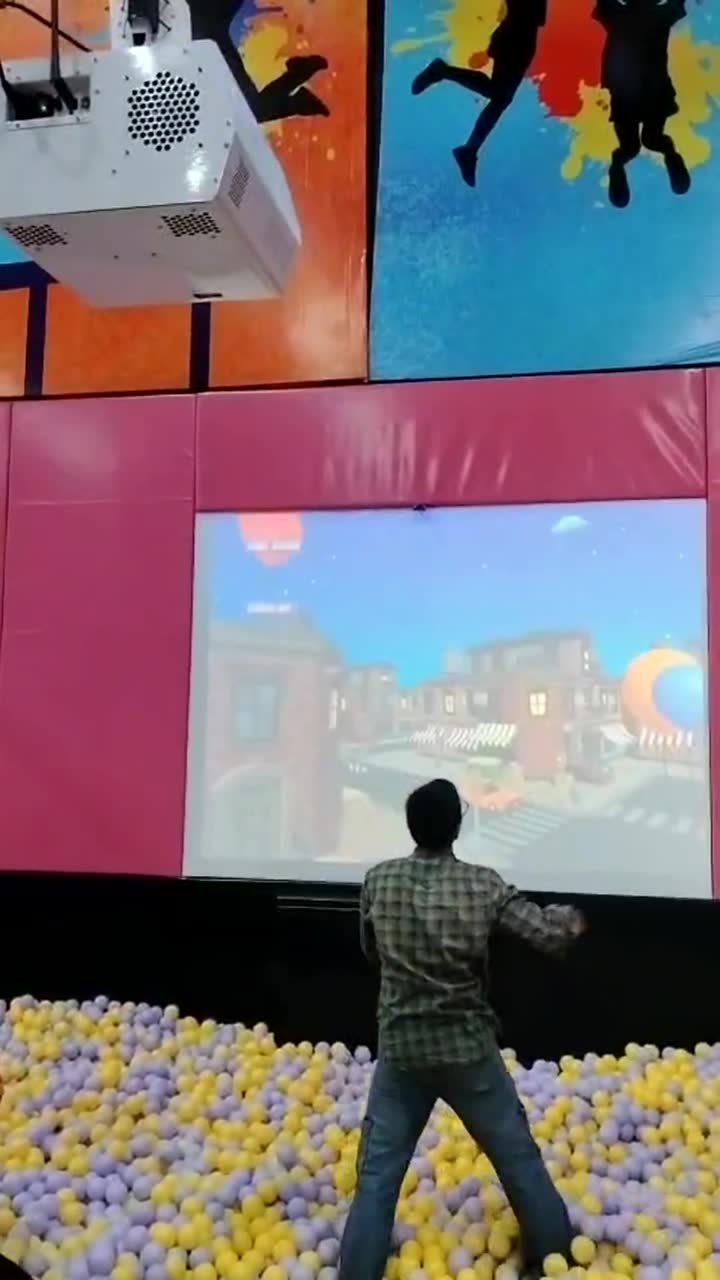
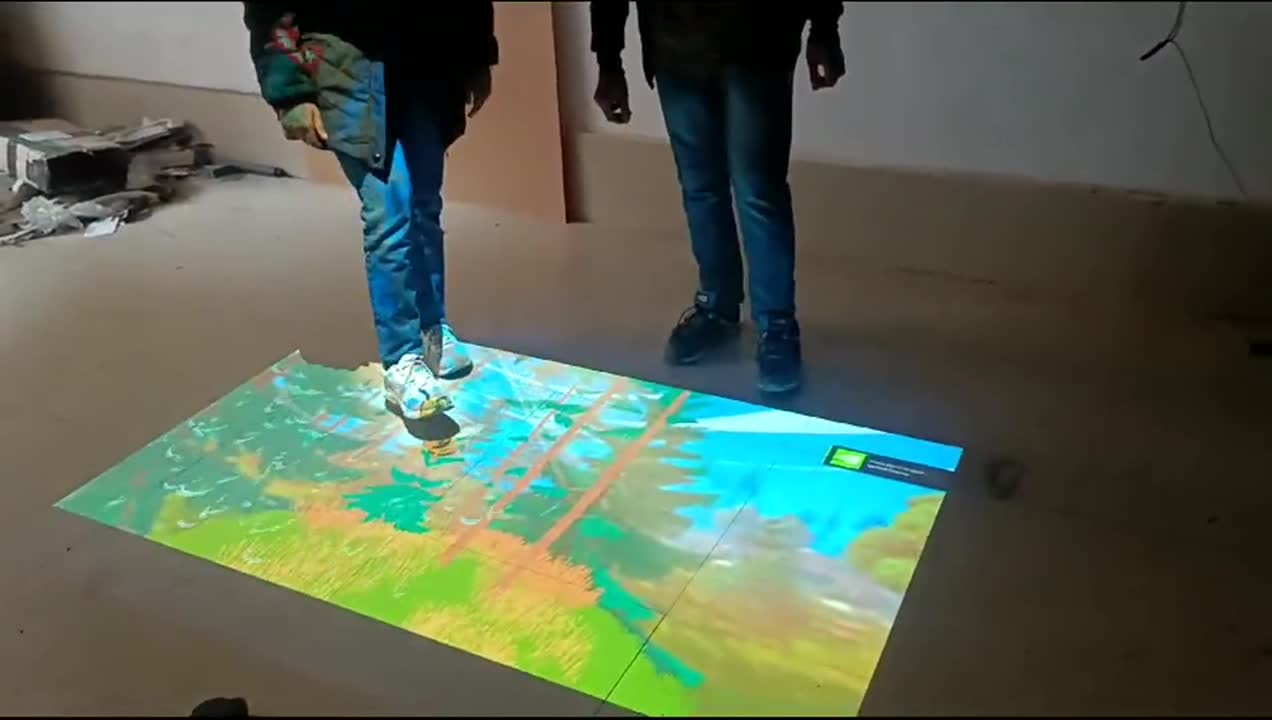
Why they're becoming popular in Indian FECs:
- Touchless gameplay: Especially valued post-pandemic
- Multiplayer by default: Groups can play together naturally
- Low maintenance: No moving parts, no wear and tear
- Content updates: New games can be added via software updates
- Unique Instagram moments: Highly shareable, drives social media marketing
- All-age appeal: Toddlers to grandparents can participate
Companies like Bamigos manufacture interactive projection systems (Wacky Floor, Wacky Wall) in India, making them cost-effective alternatives to imported systems from companies like TouchMagix or international brands.
Financial Projections: Sample Business Case
Mid-Size Arcade/FEC (5,000 sq ft in Tier-2 Mall)
| Item | Amount |
|---|---|
| Capital Investment | |
| Security deposit (6 months) | ₹36 lakhs |
| Fit-out and construction | ₹40 lakhs |
| Equipment (games, rides) | ₹80 lakhs |
| Technology (POS, CCTV, etc.) | ₹8 lakhs |
| Pre-opening expenses | ₹12 lakhs |
| Working capital (6 months) | ₹24 lakhs |
| Total Investment | ₹2.0 crore |
| Monthly Operations (Year 1) | |
| Expected monthly revenue | ₹18-25 lakhs |
| Rent (₹100/sq ft) | ₹5 lakhs |
| Staff costs | ₹3.5 lakhs |
| Utilities & maintenance | ₹2 lakhs |
| Marketing | ₹1 lakh |
| Other operating costs | ₹1.5 lakhs |
| Monthly EBITDA | ₹5-12 lakhs |
| Annual Projections | |
| Year 1 revenue | ₹2.2-3.0 crore |
| Year 1 EBITDA | ₹60-144 lakhs |
| Payback period | 2-4 years |
Note: These are illustrative figures. Actual results will vary based on location, execution, and market conditions.
Conclusion: The Opportunity is Now
India's indoor entertainment industry is at an inflection point. The fundamentals—demographics, urbanization, mall expansion, rising incomes—are strongly favorable. Established players are proving that both arcade-style FECs and trampoline parks can generate attractive returns.
For entrepreneurs ready to enter this space, the opportunity is substantial:
- A ₹9,000+ crore market by 2030
- 16%+ annual growth rate
- Proven unit economics with 20-45% margins for well-run operations
- Significant whitespace in tier-2/3 cities
- Major expansion plans totaling ₹2,000+ crore from top players
- International validation with global brands entering India
The companies that will win are those that combine operational excellence, strong equipment partnerships, and a deep understanding of what Indian families want from their leisure time.
The indoor entertainment revolution in India is just getting started. Will you be part of it?
Ready to Start Your Indoor Entertainment Business?
Bamigos is a leading Indian manufacturer of arcade machines, VR gaming equipment, and interactive projection games. Our made-in-India products offer significant advantages:
- Wacky Floor: Interactive floor projection games—touchless, multiplayer, low maintenance
- Wacky Wall: Interactive wall projection for ball games and sports simulations
- Arcade Equipment: Redemption games, kiddie rides, and video games
- VR Solutions: Racing simulators, VR pods, and immersive experiences
We provide turnkey solutions including equipment, installation, training, and pan-India service support.
Contact us for a customized consultation and quote based on your venue requirements.
Frequently Asked Questions
How much does it cost to start a gaming zone in India?
Investment varies widely by format. A small gaming zone (1,000-2,000 sq ft) can be started with ₹15-50 lakhs. A mid-size arcade/FEC requires ₹1-3 crore. Large trampoline parks typically need ₹5-25 crore depending on size and location. Key cost components include equipment (40-50%), rent and security deposit (30-40%), fit-out (10-15%), and working capital (10-15%).
What licenses are required to open an arcade or gaming zone in India?
You need a Video Game Parlour License (regulated under the Regulation for Licensing and Controlling Places of Public Amusement act), GST registration, Trade License from Municipal Corporation, Shop & Establishment registration, Fire NOC, Police NOC, and Electrical Safety NOC. If serving food, you also need an FSSAI license. License validity is typically 1 year with annual renewal.
What is the average ROI for an arcade or trampoline park business?
Well-run arcades achieve EBITDA margins of 20-30% with payback periods of 3-5 years. Trampoline parks can achieve even higher margins—SkyJumper reports 43% profit before tax margins. Payback for successful trampoline parks is typically 2-4 years. Key factors affecting ROI include location quality, equipment utilization, and event/party revenue.
Is it better to start a franchise or independent gaming zone?
Franchises (like Timezone at ₹1.5-3 crore investment) offer brand recognition, proven systems, and lower risk, but require ongoing royalty fees of 5-8%. Independent operations give you full control and higher potential margins, but carry higher risk and require you to build everything from scratch. For first-time operators, franchises are often safer; experienced operators may prefer independence.
What are the best cities in India to open an FEC or arcade?
Metro cities (Mumbai, Delhi, Bangalore, Hyderabad) offer highest footfall but intense competition and high rents. The emerging opportunity is in Tier-2 cities like Lucknow, Jaipur, Chandigarh, Indore, Kochi, and Ahmedabad where demand is rising but competition is limited. Masti Zone and other chains are explicitly targeting these markets in their expansion plans.
How much space is needed for a trampoline park?
Minimum viable trampoline park requires 8,000-10,000 sq ft. Mid-size parks are typically 15,000-25,000 sq ft. Large flagship parks (like Bounce Inc) can be 40,000-60,000 sq ft. Ceiling height is critical—minimum 12-14 feet for safety. Larger parks can accommodate more attractions (foam pits, obstacle courses) and multiple party areas, improving revenue per square foot.
What insurance is required for an indoor entertainment center?
Essential coverage includes general liability insurance (covers visitor injuries), product liability insurance (equipment defects), workers' compensation (employee injuries), and property insurance (equipment and fit-out). Annual premiums typically range from 4-8% of initial investment. Parks with safety-certified equipment and trained staff can reduce premiums by up to 30%.
What equipment is most profitable for an arcade business?
Redemption games (where players win tickets for prizes) typically generate the highest revenue per square foot. Interactive floor and wall projection games are increasingly popular for their group play capability and low maintenance. VR experiences command premium pricing. The key is a balanced mix that caters to all age groups—kiddie rides for toddlers, arcade games for teens, and bowling/VR for adults.
How much does it cost to start a soft play business in India?
A small soft play zone (1,500 sq ft) can be started with ₹25-50 lakhs including equipment, fit-out, and working capital. Equipment alone costs ₹15-30 lakhs for a 1,500 sq ft area. Larger soft play centers (3,000+ sq ft) require ₹50 lakhs to ₹1.5 crore. The key revenue drivers are birthday parties (30-40% of revenue), hourly entry fees, and café sales. Soft play zones have lower operating costs than arcades since equipment doesn't require electricity or maintenance.
What are interactive projection games and are they worth the investment?
Interactive projection games use ceiling-mounted projectors and motion sensors to create games on floors or walls that respond to player movement. They're becoming popular in Indian FECs because they're touchless (valued post-pandemic), support multiple players simultaneously, have very low maintenance (no moving parts), and create highly shareable social media moments. Indian manufacturers like Bamigos offer systems at 20-30% lower cost than imported alternatives. They work well as an add-on to any FEC format—arcades, soft play zones, or trampoline parks.
References
- Avinya Ventures. (2025). Indoor Amusement Centers in India: Market Analysis Report. avinya.vc
- Future Market Insights. (2025). Family Entertainment Center (FEC) Market | Global Market Analysis Report - 2035. futuremarketinsights.com
- Grand View Research. (2025). India Indoor Amusement Center Market Size & Outlook, 2030. grandviewresearch.com
- Tofler. (2024). Timezone Entertainment Financials. tofler.in
- Tracxn. (2025). Timezone Entertainment Private Limited - Company Profile. tracxn.com
- The Economic Times. (2016). Landmark Leisure plans to invest Rs 1200 crore in next five years. economictimes.com
- Storyboard18. (2025). NCLT approves Nazara's resolution plan for Smaaash Entertainment. storyboard18.com
- StartupPedia. (2025). SkyJumper: IT professionals quit jobs to bring trampolines to India. startuppedia.in
- Tracxn. (2025). Masti Zone / Modern Masti Private Limited Financials. tracxn.com
- Independent Express. (2024). Masti Zone to open 100 new outlets with Rs 700 cr investment. independantexpress.com
- India Retailing. (2023). BOUNCE Inc signs 60K sq. ft. deal with M3M India. indiaretailing.com
- Financial Express. (2024). SkyJumper bets on trampoline parks as India's indoor recreation market scales up. financialexpress.com
- Tracxn. (2024). Jus Jumpin Kids Entertainment Private Limited. tracxn.com
- Tracxn. (2025). Hungama Game Planet Private Limited. tracxn.com
- Tracxn. (2023). Shri Poornima Entertainments LLP (PUNO). tracxn.com
- FinLaw. (2025). How to Start a Game Center Business in 2025: Step-by-Step Guide. finlaw.in
- CRSPL. (2025). Video Game Parlour License: Process Documents & Validity. crspl.in
- Restaurant India. (2025). Dave & Buster's: America's Largest Entertainment Hub Debuts in Bangalore. restaurantindia.in
Designing your gaming zone or trampoline park? Reserve 6.3 sq ft for a self-service commercial photo booth machine — it earns ₹1-4 lakh a month and pays back faster than most arcade games. See the Pikcha AI Photo Booth.
![How to Start a Photo Booth Business in India: Complete Guide [2026]](/uploads/how-to-start-photo-booth-business-india.webp)