India's love for indoor entertainment is exploding—and trampoline parks are right at the heart of this boom. If you've ever thought about launching a trampoline park or indoor adventure centre, 2026 is one of the best times to act. And with turnkey gaming-zone solutions and trampoline-based attractions from Bamigos, you don't have to start from scratch.
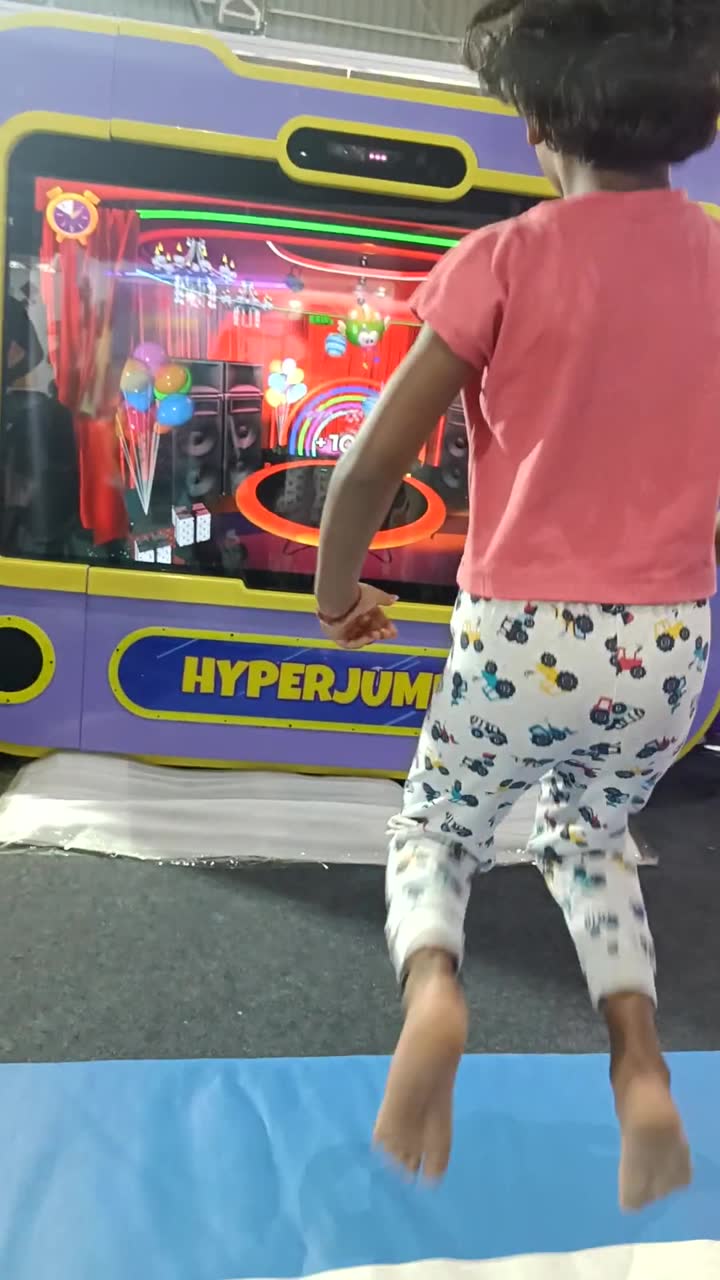
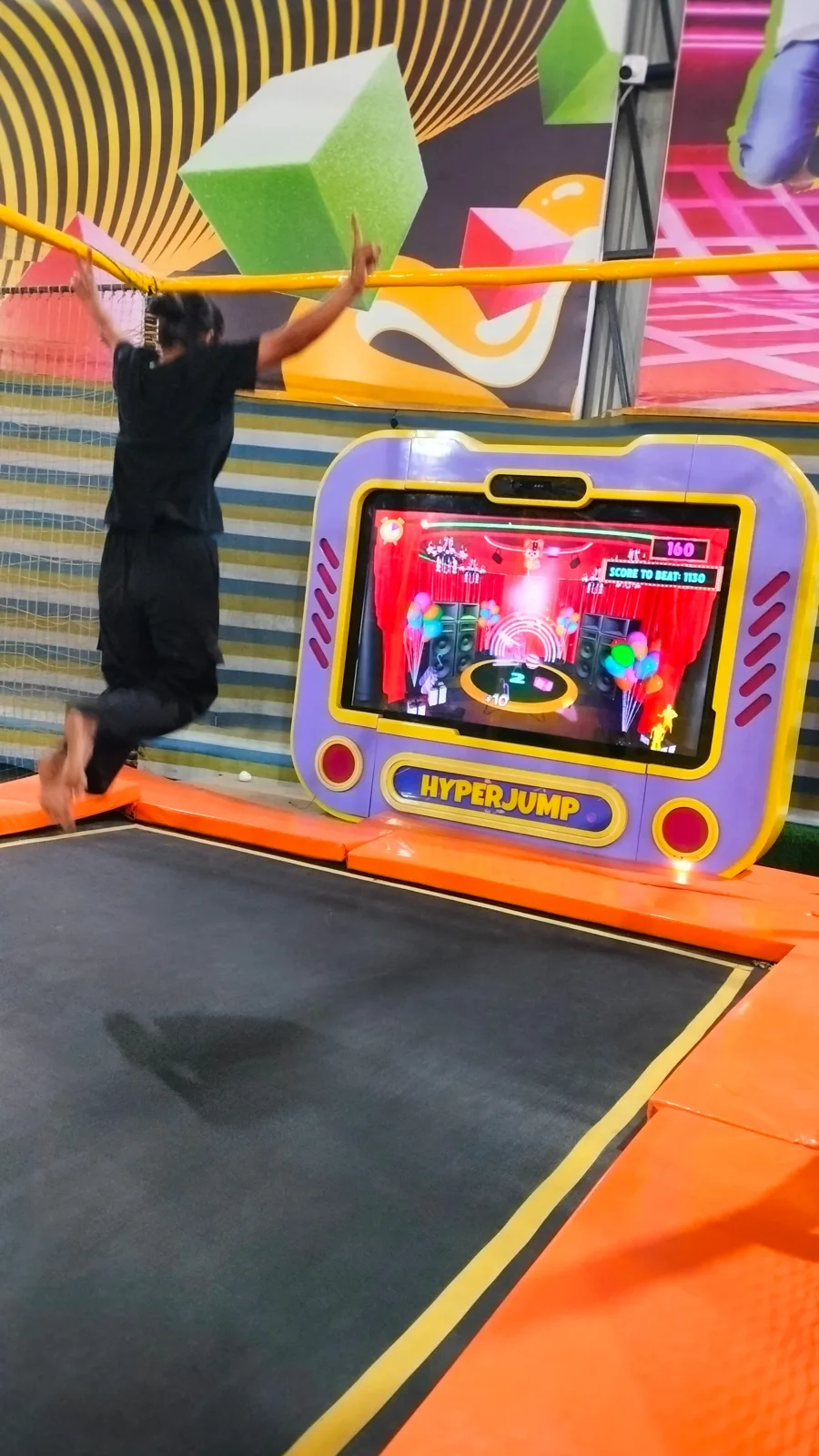
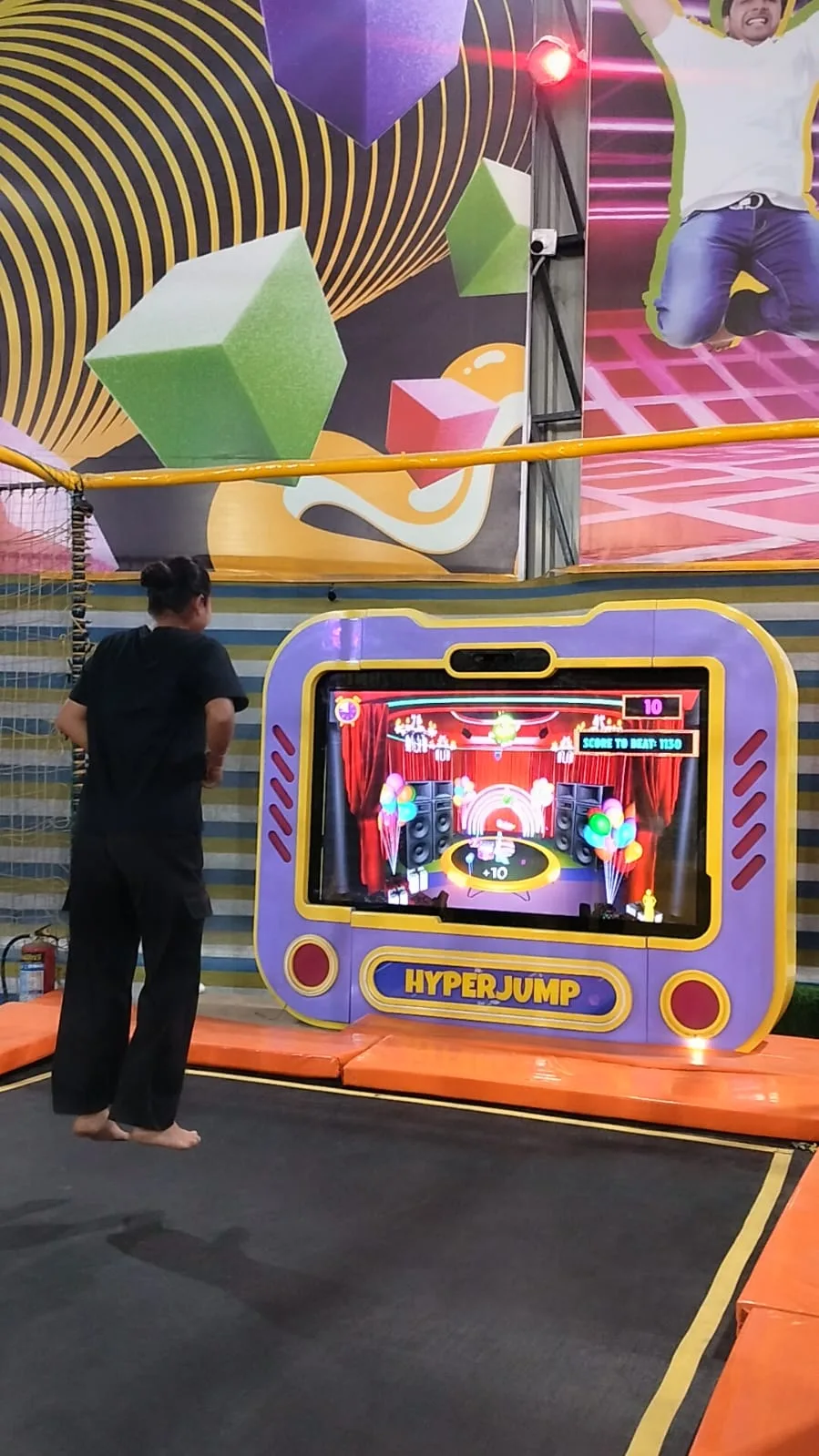
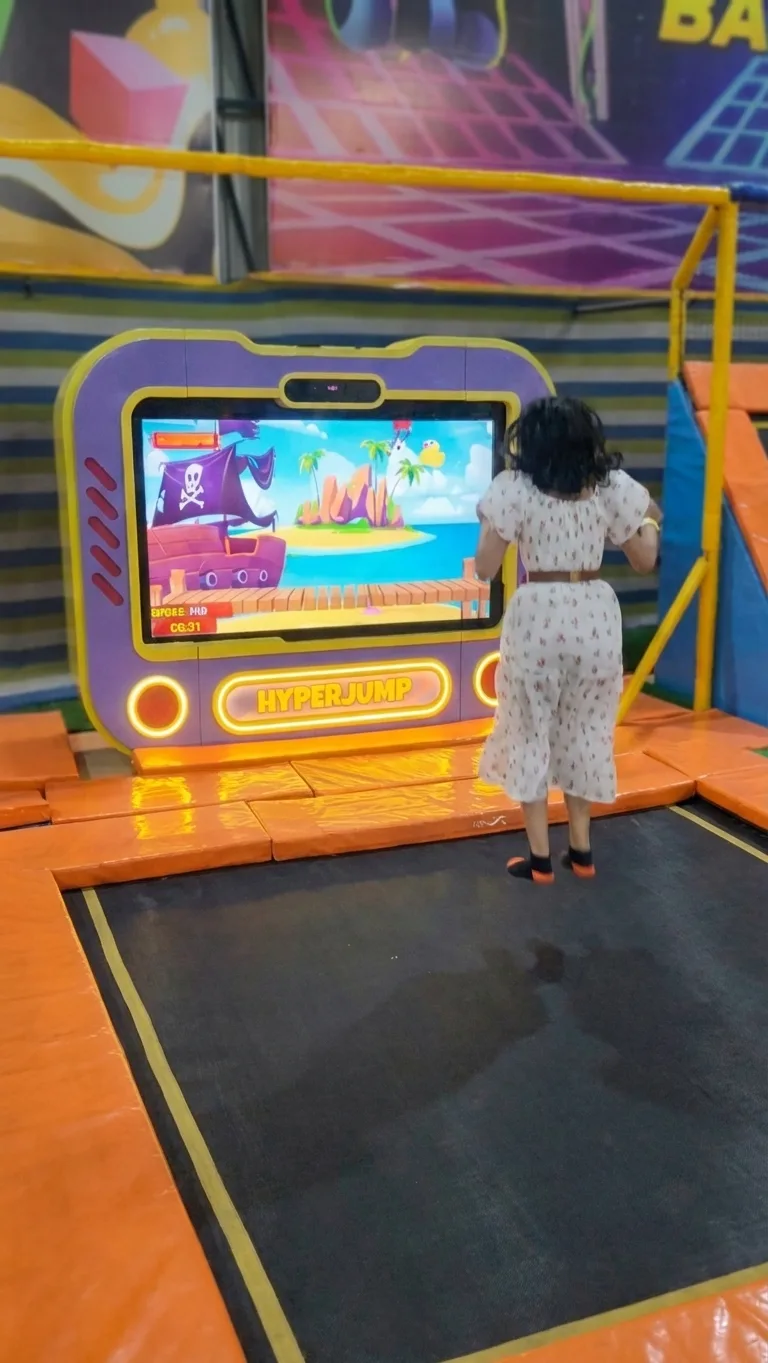
Attraction: Hyper Jump — interactive trampoline game.
1. India's Indoor Amusement Market: Why This Category Matters
India's indoor amusement centre (IAC) market is already big—and still just getting started:
- Current market size: around ₹4,350 crore in annual revenue
- Projected market size: ₹9,218 crore by 2030, nearly doubling in just a few years
- Current operational stock: about 6.6 million sq ft across 500+ centres in 83 cities, expected to reach 11 million sq ft by 2028
- Geographic concentration: Around 60% of centres and space are in top metros (Delhi-NCR, Mumbai, Bengaluru, Hyderabad, Pune, Chennai, Ahmedabad)
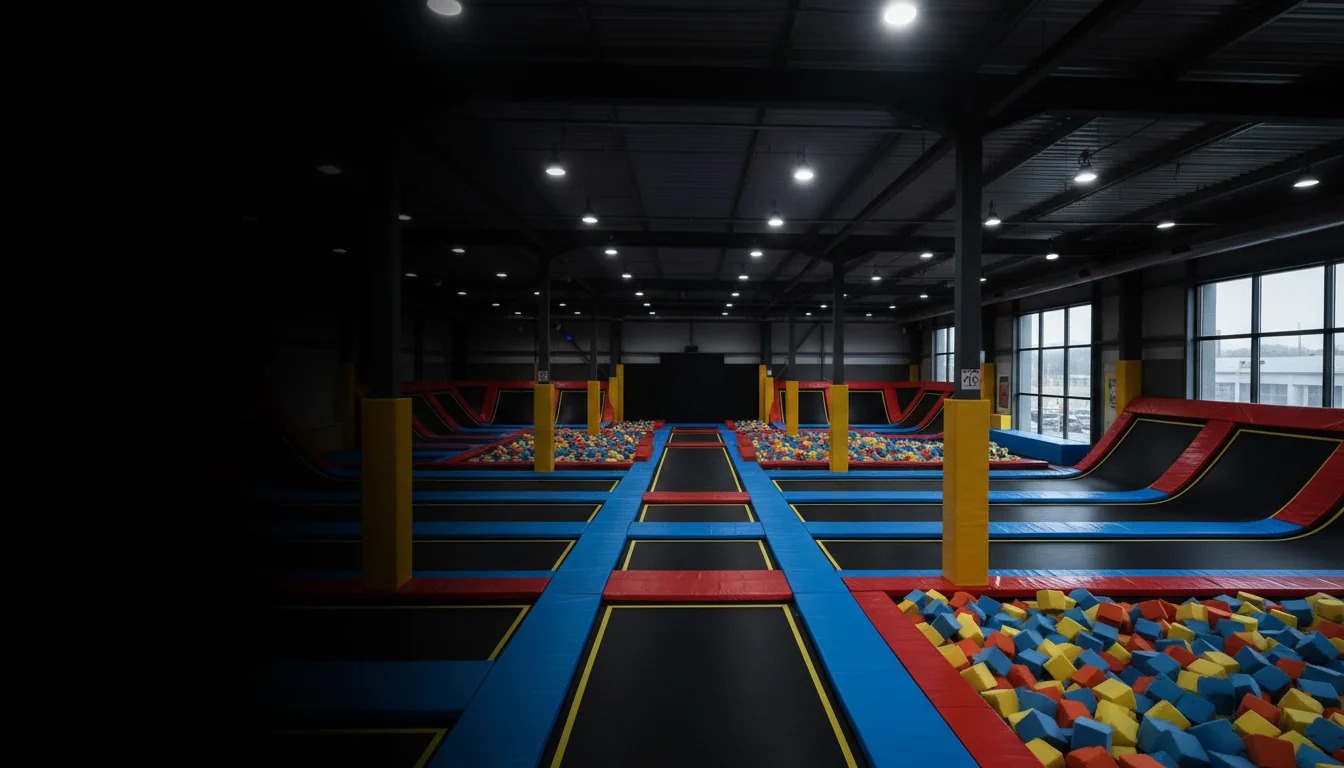
Within this fast-growing space, trampoline parks have emerged as one of the most dynamic formats. Global reports highlight Asia-Pacific—and specifically India—as expected to post the highest growth rate (CAGR) in trampoline parks between 2025–2030.
2. Trampoline Parks: From Niche to Powerhouse Format
While trampoline parks today likely account for a single-digit percentage of India's total IAC revenue, operator data suggests:
- The segment is growing faster than the overall indoor amusement market
- Early movers are already clocking strong revenue and profit numbers
By aggregating partial data from major operators, trampoline-park and related revenues touching India already exceed ₹200–250 crore annually—without yet counting many unreported or small regional players. That's an early but solid base in a market still taking shape.
3. Who's Winning the Trampoline Park Game in India?
Several brands show how powerful this business can be when executed well.
SkyJumper
- Scale: 20+ parks across Tier-1, Tier-2 and Tier-3 cities; goal of 30+ parks by 2025
- FY24 revenue: ₹75.1 crore with PBT ₹32.75 crore—a profit margin of ~43%
- Customers served: ~25.32 lakh in FY24
- Model: Multi-activity parks—trampolines plus bowling, laser tag, VR, rock climbing and more
- Franchise pitch: 24–36 month payback for partners
Jus Jumpin
- Presence: 25+ locations across India
- FY24 revenue: ₹7.91 crore, with a one-year revenue CAGR of 439%
- Strong focus on family-friendly trampoline and kids' play zones
BOUNCE Inc India
- Venues: 3 large-format parks in Mumbai, Bengaluru and Gurugram
- Format: Around 40,000 sq ft each, with 100+ interconnected trampolines, freestyle zones and in-park cafés
- Global multi-million-dollar brand; India parks follow their high-end "indoor adventure park" template
Woop
- Positioning: Markets itself as "India's largest trampoline park", offering multi-activity centres with bowling, VR and more
- Locations: 3 parks (Surat, Mumbai, Chandigarh)
- Revenue: Third-party estimate of about $14.4M (~₹115–122 crore)
4. How Much Capital Do You Need?
You don't need a mega-park to start, but you do need realistic budgets.
Typical Investment Bands
Industry and franchise data indicate:
- Standard trampoline park franchise: ₹2–5 crore, depending on size, city, and brand
For a 10,000 sq ft park in a mall, a realistic breakdown could look like:
| Component | Cost Range |
|---|---|
| Equipment & installation | ₹2.5–3.0 crore |
| Civil works & fit-out (flooring, safety, lighting, HVAC) | ₹0.8–1.2 crore |
| Pre-opening & marketing | ₹0.2–0.4 crore |
| Total indicative range | ₹3.5–4.6 crore |
Equipment alone typically falls in the ₹1,100–₹2,500 per sq ft band, while total fitted-out costs are often ₹2,000–₹4,000 per sq ft, depending on finish and complexity.
5. What Returns Can You Expect?
Hard numbers from one of the leaders tell the story:
SkyJumper FY24:
- Revenue: ₹75.1 crore
- Profit before tax: ₹32.75 crore (≈43.6% PBT margin)
Franchise materials and industry commentary suggest:
- Payback: 24–36 months for well-run franchise parks
- Annualised returns after stabilisation: often in the mid-20% to 30%+ range
From Bamigos' gaming-zone turnkey data (similar unit economics):
- Typical ROI: 12–18 months
- Average revenue potential: ₹2–5 lakh per month for smaller zones
- Profit margins: 40–60%
The Photo Booth Cash Machine Every Trampoline Park Owner Misses
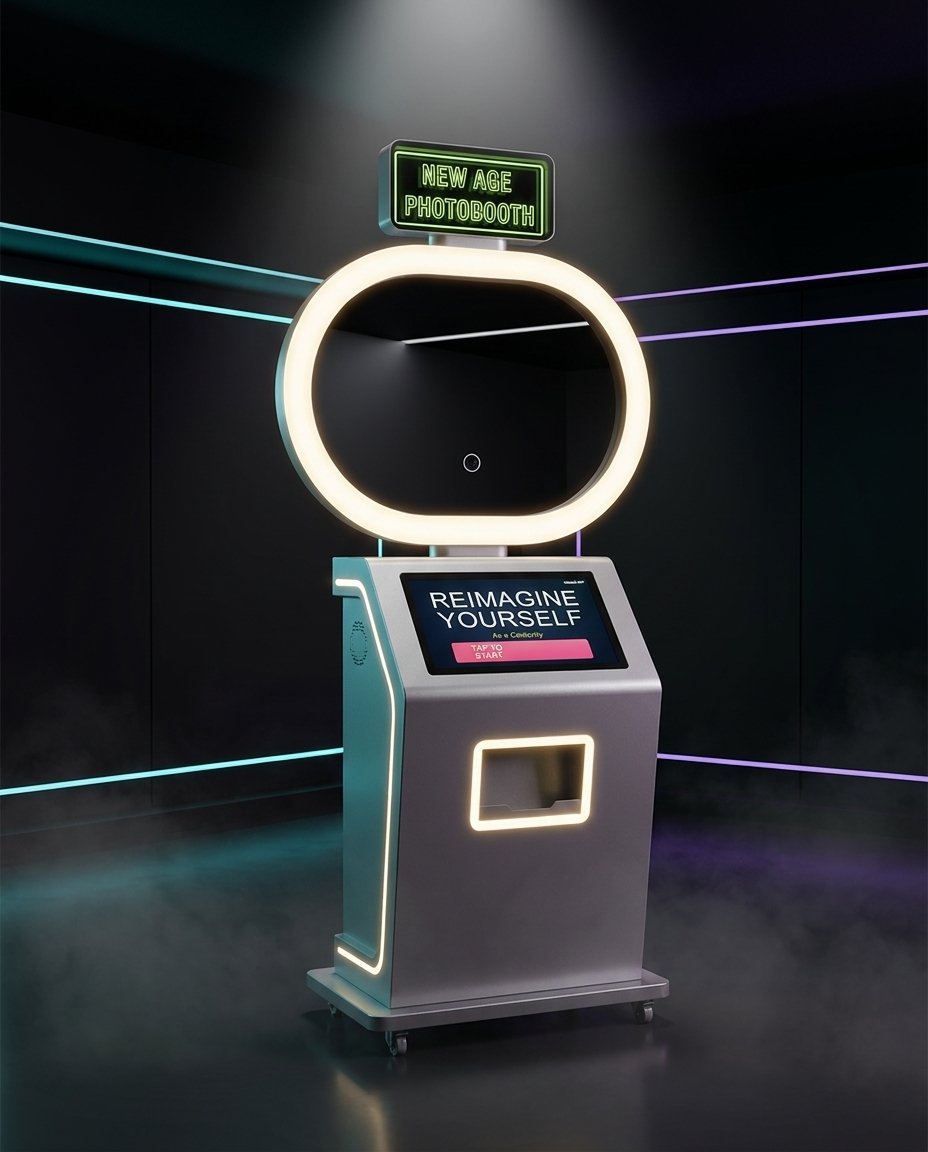
Nine out of ten Indian trampoline parks have zero photo booths on site. That's a ₹12-24 lakh per year revenue line sitting unused, in a business where 40% of revenue comes from birthday parties and memory-driven use cases.
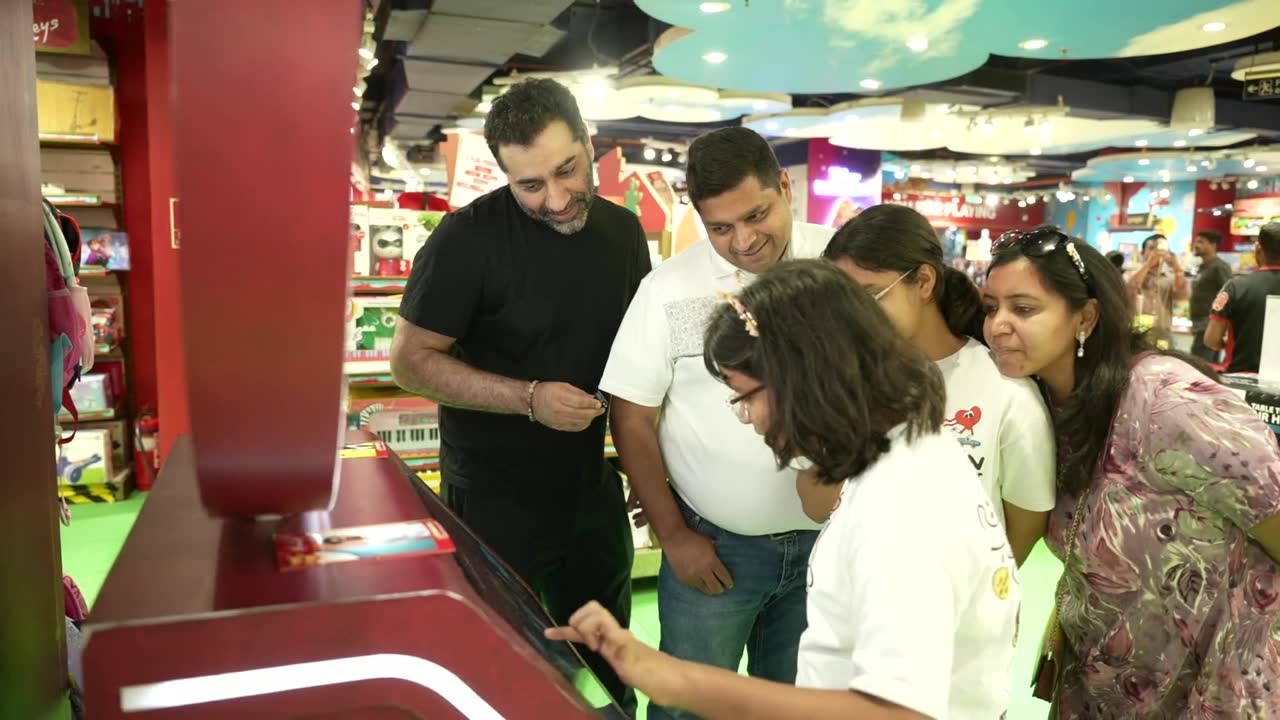
Trampoline parks are memory businesses. Kids jump. Parents photograph. Birthday packages sell for the keepsake photo as much as the session. An AI photo booth placed in the lobby or party-room area captures that intent and turns it into ₹150-300 per session with zero additional staff.
Why This Add-On Works Specifically for Trampoline Parks
- Captive parent audience. Parents wait 60-90 minutes while kids jump. In most parks they sit in the cafe scrolling phones. A photo booth redirects that idle time into ₹150-300 per session.
- Birthday party attach rate. 40% of trampoline park revenue comes from birthday packages. Adding a "photo booth session for the birthday child + 5 prints" to every package upsell is a 15-25% revenue lift per party booking — see how the photo booth birthday package model works in practice.
- Footprint cost: zero. A photo booth is 6.3 sq ft — fits in any corner of the lobby, cafe, or party room. No dedicated space required, no layout redesign.
- No additional staff. Unmanned, UPI-based, self-service. Your existing park staff need zero new training.
- For a permanent photo booth, confirm the equipment price, site requirements, staff training and ongoing costs. For a launch or occasional party, compare an event hire quote with ownership based on the number of uses and the services you need.
The Math: Trampoline Park + Photo Booth Revenue Stack
For a ₹3.5 crore trampoline park, adding one photo booth is 0.1% of capex and delivers 3-5% of monthly revenue:
| Line Item | ₹3.5 Cr Trampoline Park Only | + 1 Photo Booth (₹3.5 L) | + 3 Photo Booths (₹10.5 L) |
|---|---|---|---|
| Capex | ₹3.5 Cr | ₹3.535 Cr | ₹3.605 Cr |
| Monthly revenue | ₹40-60 L | ₹41.5-62 L | ₹44.5-66 L |
| Annual incremental | — | +₹18-24 L | +₹54-72 L |
| Booth payback | — | 3-6 months | 3-6 months (each) |
| Net profit impact | — | +₹14-20 L / year | +₹42-60 L / year |
Three booths — one in the lobby, one in the party-room zone, one in the cafe waiting area — add ₹42-60 lakh of net annual profit on a ₹10.5 lakh investment. That's 4-5× ROI in year one.
Pre-Launch Option: Build the Park With Photo Booth Cash
If your trampoline park is still 12-18 months from opening, here's a move most first-time operators miss: deploy a photo booth network in the city before the park opens. Four booths at ₹3.5 lakh each (₹14 lakh total) placed in malls across your target city will:
- Generate ₹4-8 lakh per month of cash flow to fund trampoline park capex.
- Let you validate venue quality, footfall, and partner relationships before the park launch.
- Build a retail loyalty list you can convert into park launch customers.
- Act as city-wide billboards for your upcoming park brand.
By the time the ₹3.5 crore trampoline park opens, you've already paid off the booth network, built a ₹1-2 crore warchest, and have 10,000+ city residents who've interacted with your brand. See the photo booth business startup guide for the investment ladder, or explore the franchise model if you want multi-city deployment support.
FAQ: Adding Photo Booths to Your Trampoline Park
Where should the photo booth go in a trampoline park?
Three highest-converting placements: (1) the lobby/reception area where parents wait for kids; (2) the party-room zone for birthday celebrations; (3) the cafe where families sit after the session. If you have space for just one booth, put it in the lobby — highest dwell time, highest conversion.
Do birthday packages sell better with a photo booth included?
Yes. Adding a "photo booth session with 5 prints" bump to birthday packages typically increases average party spend by 15-25%. Parents convert because the booth session becomes a core part of the memory they're paying for.
How is a photo booth different from just letting parents take phone photos?
A Bamigos AI photo booth runs 200+ AI effects (anime, Bollywood, K-pop, superhero) that phones can't produce. Output is a physical printed photo, not a digital file. That printed keepsake is what parents pay ₹150-300 for.
Planning a launch party or a special event? A temporary photo booth can be quoted separately from permanent equipment. Specify the venue, dates, operating hours, guest estimate, prints and staffing so the offer fits that event.
Ready to add photo booths to your park? See the photo booth price breakdown →
6. How Trampoline Parks Actually Make Money
A resilient trampoline-park business never depends on walk-in tickets alone. Common revenue streams include:
Time-Based Tickets
30/60/90-minute passes with weekend and peak-hour premiums.
Memberships & Passes
Monthly/quarterly/annual passes, or stored-value cards usable across activities.
Events & Parties
Birthdays, school trips, college outings, corporate team-building. Packages often run ₹15,000–₹30,000+ depending on city and inclusions.
Corporate & School Partnerships
Annual or seasonal contracts with companies and educational institutions. Help you stabilise weekday occupancy.
Food & Beverage
Cafés and snack counters, often adding 20–40% extra revenue per visitor.
Brand Activations & Media Rentals
Product launches, influencer events, film/TV shoots, sponsored zones.
7. Location, Size & Format: What Works Best?
Successful Indian trampoline parks tend to follow a clear pattern:
Location
Planning a Trampoline Park?
Get equipment pricing and setup guidance for your trampoline park.
- Top choice: Grade-A malls and large entertainment-led retail complexes, usually on 2nd–5th floors where footfall is high but rent is more reasonable
- Tier-2/3 cities: Strong roadside standalone buildings can work where quality malls are limited
Size Categories
| Type | Size | Best For |
|---|---|---|
| Small | 5,000–8,000 sq ft | Satellite parks, Tier-2/3, lower risk, faster payback |
| Standard | 10,000–20,000 sq ft | Balanced format with trampolines + 1–2 add-on attractions |
| Flagship | 30,000–40,000 sq ft | Destination-style adventure parks |
Product Mix
- Core: Trampoline zones (free jump, foam pit, slam dunk, dodgeball)
- Add-ons: VR arenas, bowling, arcades, climbing walls, toddler soft-play zones
- Ancillary: F&B, merchandise, birthday party rooms, lounge areas for parents
The multi-activity model lifts dwell time and ARPU and makes you less dependent on any single attraction.
One high-margin add-on most parks overlook: a self-service photo booth machine near the exit or party rooms. It needs just 6.3 sq ft, runs with zero staff, and catches families at the exact moment they want a souvenir — a Pikcha AI Photo Booth earns ₹149–₹299 per session on UPI autopilot.
8. Safety, Regulations & Liability
Safety is both a legal requirement and a business advantage.
Indian trampoline parks typically conform to:
- BIS IS 15475 (Parts 1–6) – Safety standards for amusement rides (design, construction, operation)
- BIS IS 15492 (Parts 1–3) – Outdoor play systems
- EN 13814 & ISO 17842 – Widely referenced international amusement-ride standards
Day-to-day safety practices include:
- Grip socks only; no shoes on trampolines
- One jumper per trampoline; weight limits (often ≤110 kg)
- No flips/somersaults without training or in designated zones only
- Separated areas for small children
- Mandatory safety briefing, on-ground staff supervision, and liability waivers
9. Where the Next Wave of Growth Will Come From
Tier-2 & Tier-3 First-Mover Plays
Data shows 232 indoor amusement centres already in smaller cities, totalling ~2.8 million sq ft. Many of these cities:
- Have one or two good malls
- Still lack a premium trampoline or indoor-adventure park
Launching early in such cities can lock in long-term location advantages with less direct competition.
From "Just Trampolines" to "Indoor Adventure"
Leading operators are layering trampolines with:
- VR and AR games
- Go-karting
- Bowling and arcades
- Glow-in-the-dark experiences and Instagram-friendly décor
This "experience economy" approach keeps your park fresh and social-media friendly.
10. Key Risks—and How to Handle Them
| Risk | What Can Go Wrong | How to Mitigate |
|---|---|---|
| High Capex & Rent | Slow payback if walk-in traffic is weak | Choose strong catchments; negotiate revenue-share leases; start with 5–15k sq ft formats |
| Safety Incidents | Injuries, lawsuits, shutdowns | Use BIS/EN/ISO-compliant equipment; train staff rigorously; maintain equipment; carry adequate insurance |
| Seasonality & Competition | Empty weekdays; new entrants nearby | Build B2B (schools, corporates), memberships and events into your plan; use dynamic pricing |
| Regulatory Changes | Extra compliance cost | Design with a "compliance buffer"; work with experienced manufacturers and turnkey partners |
11. How Bamigos Fits In: Your Turnkey Partner for High-ROI Venues
You don't need to reinvent the wheel—or the trampoline.
11.1 Trampoline-Based Innovation: Hyper Jump by Bamigos
Hyper Jump is Bamigos' flagship trampoline-based interactive entertainment system:
- Massive 75-inch display with custom-built speakers
- AI-powered sensors that track motion and power multiple dynamic games
- Integrates seamlessly with a regular jumping bed, turning a standard trampoline area into a high-tech attraction
- Made in India, marketed as European-calibre quality at a fraction of the cost
- Delivers fitness, play and digital artistry in one unit
- Features like personalised AI avatars and automatic video recaps help create shareable social-media content
- Backed by continuous software updates, keeping your attraction fresh without new hardware
For a trampoline park, Hyper Jump acts as:
- A marquee attraction to differentiate you from competitors
- A way to increase ARPU by upselling premium interactive sessions
- A ready-made "Instagrammable" experience that markets itself
11.2 Bamigos' Turnkey Gaming-Zone & FEC Solutions
Beyond individual machines, Bamigos offers complete gaming-zone setup across India, which maps closely to what trampoline-park owners need:
Design & Planning
Custom layouts, 3D visualisations, theme concepts, and space optimisation.
Equipment Supply
Premium arcade machines, VR systems, simulators, ticket redemption games—and trampoline-linked innovations like Hyper Jump.
Installation & Commissioning
Professional setup, electricals, networking, safety checks, and testing.
Staff Training
Operations, maintenance, customer service and troubleshooting.
Support & AMC
1–2 year equipment warranty, spare parts, preventive maintenance, and 24/7 support options.
Indicative Economics for Bamigos Setups
| Zone Size | Investment |
|---|---|
| Small zone (500–800 sq ft) | ₹8–12 lakh |
| Medium (1,000–1,500 sq ft) | ₹15–25 lakh |
| Large FEC (2,000+ sq ft) | Starting ₹30 lakh |
- ROI period: typically 12–18 months
- Average monthly revenue: ₹2–5 lakh
- Profit margins: 40–60%
- Setup timeline: 4–8 weeks from concept to launch
12. Action Plan: How to Move from Idea to Live Park
If you're serious about this space, here's a simple roadmap:
Step 1: Define Your City & Catchment
- Shortlist 2–3 target cities (metro + Tier-2 or Tier-3)
- Identify Grade-A malls or strong roadside sites with 5,000–15,000 sq ft available
Step 2: Choose Your Format
For a first project, aim for a 10,000–15,000 sq ft multi-activity park (trampolines + VR/arcade + F&B).
Step 3: Lock In Your Business Model
Decide between franchising with an established park brand or going independent but working with a turnkey equipment partner like Bamigos.
Step 4: Design Around Multi-Revenue
Ensure your layout supports:
- Ticketed jump sessions
- Birthday/party rooms
- Corporate and school bookings
- F&B
- A showcase zone for Hyper Jump and other flagship attractions
Step 5: Partner with Bamigos Early
Use their free consultation, site visit, and investment planning to avoid costly design mistakes and under-specced equipment.
Step 6: Launch with a Marketing Plan
Grand opening events, influencer tie-ups, membership offers, and school/corporate outreach from day one.
13. Ready to Jump In?
The trampoline-park business in India combines:
- A fast-growing market
- Proven profit potential
- Strong Tier-2/3 expansion opportunities
- A clear path to differentiation through technology
With Hyper Jump and turnkey gaming-zone solutions from Bamigos, you can:
- Reduce your time to market to as little as 4–8 weeks
- Plan your layout and equipment mix around Indian ride-safety standards from day one
- Build a venue that's profitable, safe and social-media ready from day one
Next Step
Visit www.bamigos.com and:
- Explore Hyper Jump and other trampoline-friendly attractions in the Shop section
- Use the Contact Us page to request a free consultation and tailored project plan for your city
Your customers are ready to jump. The question is—will they be jumping in your park?
References
- Indoor Amusement Centers in India: A Booming Market. Avinya VC Report
- Indoor Amusement Centres to Occupy 11 MSF of Space in India by 2028. Business Standard / JLL
- Trampoline Park - Indoor Amusement Center Market Outlook. Grand View Research
- Partner with SkyJumper Amusement Park. SkyJumper
- IT Professionals Quit Jobs to Bring Trampolines to India. Startuppedia
- BOUNCE India Venues. BOUNCE Inc
- Hyper Jump - Bamigos. Bamigos Product Page
- Gaming Zone Setup India - Bamigos. Bamigos
- Woop Trampoline Park. Woop India
- Compliance Safety Standards for Amusement Parks. Peach Prime

![How to Start a Photo Booth Business in India: Complete Guide [2026]](/uploads/how-to-start-photo-booth-business-india.webp)