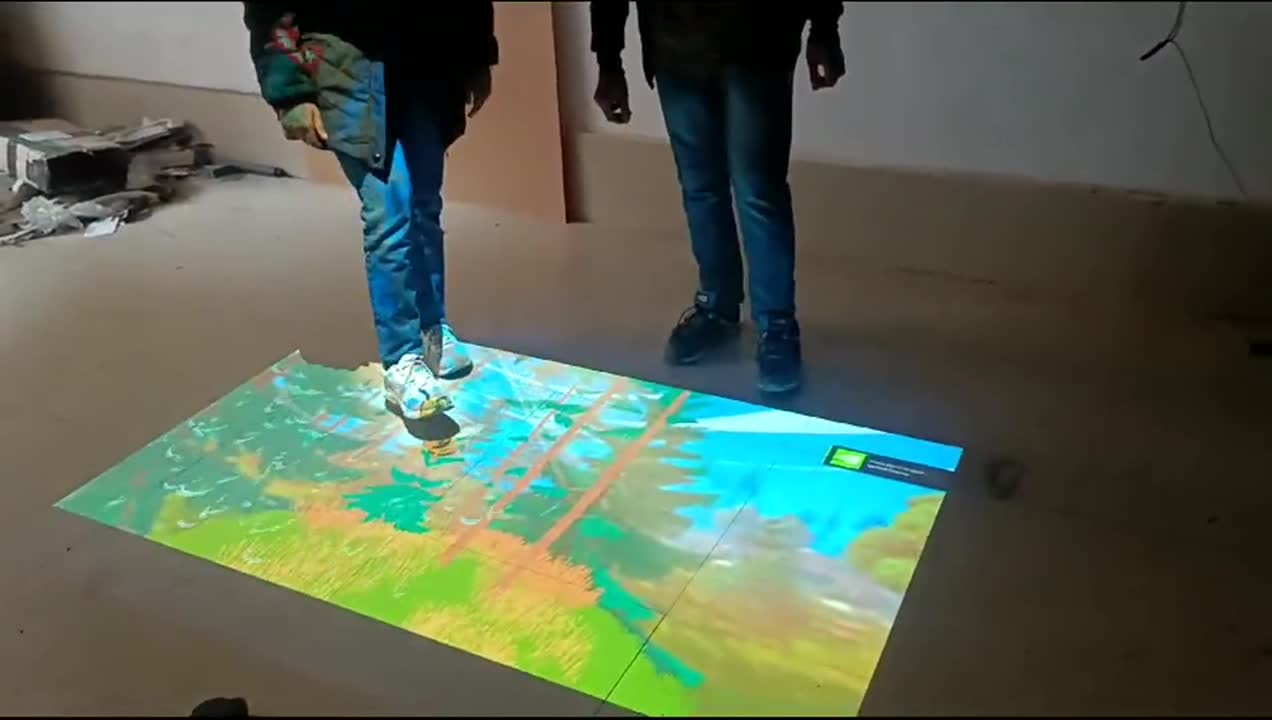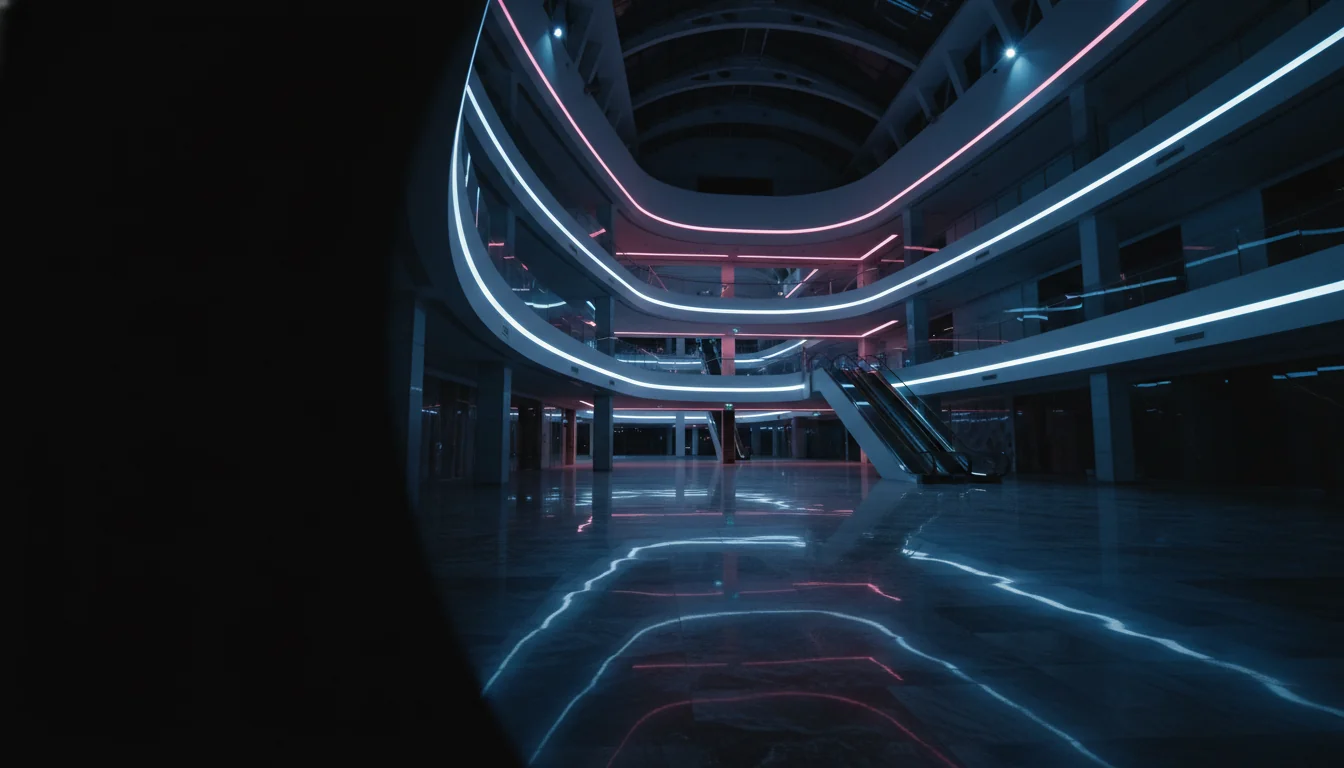
A mall lives or dies on two numbers: how many people come in, and how long they stay. Empty atriums and dead corners hurt both. Interactive projection is one of the cheapest, fastest ways to fix a quiet zone — drop a reactive floor or wall game into it and the space that people walked past becomes the space they stop at.
It's worth being honest about what this is and isn't. Interactive projection is a free-play crowd-puller, not a coin-op revenue machine. It doesn't earn per play. Its job is to pull footfall, hold it, and push it toward the things that do make money — the food court, the cinema, the anchor stores, the paid arcade.
How it earns its place
- It stops people. A reactive floor game in an atrium creates an instant crowd — kids play, parents watch, others gather to see what's happening.
- It grows dwell time. Families stay longer when there's something free for the children to do, and longer dwell means more spend across the mall.
- It routes footfall. Place it near an underperforming wing or a new store and it physically pulls people in that direction.
- It's a social magnet. Parents film their kids; the mall ends up in their feeds for free.
Floor and wall — use both
- Floor projection in atriums and wide walkways: big, energetic, visible from a distance — the crowd-former.
- Wall projection on a feature wall or a dead end: reach-and-touch games that turn blank space into an attraction and draw people down a quiet corridor.
Branded and seasonal — keep it fresh
Because the games are software, a mall can run branded and seasonal content: a Diwali theme in October, a tenant's campaign during a sale, the mall's own mascot in the game. Custom-built games mean the attraction never goes stale — you refresh the content, not the hardware. (We build custom floor and wall games to brief.)
Where it works in a mall
- Central atrium — the headline crowd-former.
- Quiet wings / new floors — pull footfall where you need it.
- Kids' zone / family floor — anchor free-play that complements the paid arcade.
- Event activations — a brand takes over the projection for a weekend campaign (a natural brand-activation play).
What it costs
Interactive projection is scoped to the surface size, the number of games, and whether you want custom or seasonal content — so it's quoted per installation rather than a fixed price. A common starting point is one high-visibility atrium install; once mall management sees the crowd it forms, it's easy to justify a second screen in a quieter wing.
Frequently asked questions
Does an interactive projection game generate revenue directly?
No — it's a free-play crowd-puller, not a coin-op machine. Its value is drawing footfall, increasing dwell time, and routing crowds toward paid attractions and stores.
Interested in Interactive Projection?
Get pricing and specs for interactive floor & wall projection systems.
Where in a mall does it work best?
Central atriums and wide walkways for floor systems (crowd-formers), and feature walls or quiet corridors for wall systems to pull footfall where you need it.
Can we run seasonal or brand campaigns on it?
Yes — the games are software, so you can load Diwali themes, a tenant's campaign, or the mall's mascot, and refresh content without changing hardware.
How big a crowd does it draw?
A reactive floor game in a busy atrium typically forms a standing crowd of players and onlookers; the queue itself becomes social proof that pulls more people in.
Turn a dead corner into a crowd
Interactive floor & wall projection that pulls footfall and holds families longer.
Plan a Mall InstallationSee also: how interactive floor projection works.