Below-the-line marketing has a measurement problem and an attention problem at the same time. Footfall is easy to rent — a mall atrium, an expo stall, a campus — but turning that footfall into engagement, data, and a measurable outcome is where most activation budgets quietly leak. A backdrop gets a glance. A flyer gets binned. What actually stops a crowd, holds it, and gives you something to take home is a game built around your brand.
This guide covers how custom branded games work as a BTL tool — what they are, how they're fabricated, where they pay off, and how to measure them so the channel survives the next budget review.
What "custom branded games" actually means
It's a spectrum, not a single product:
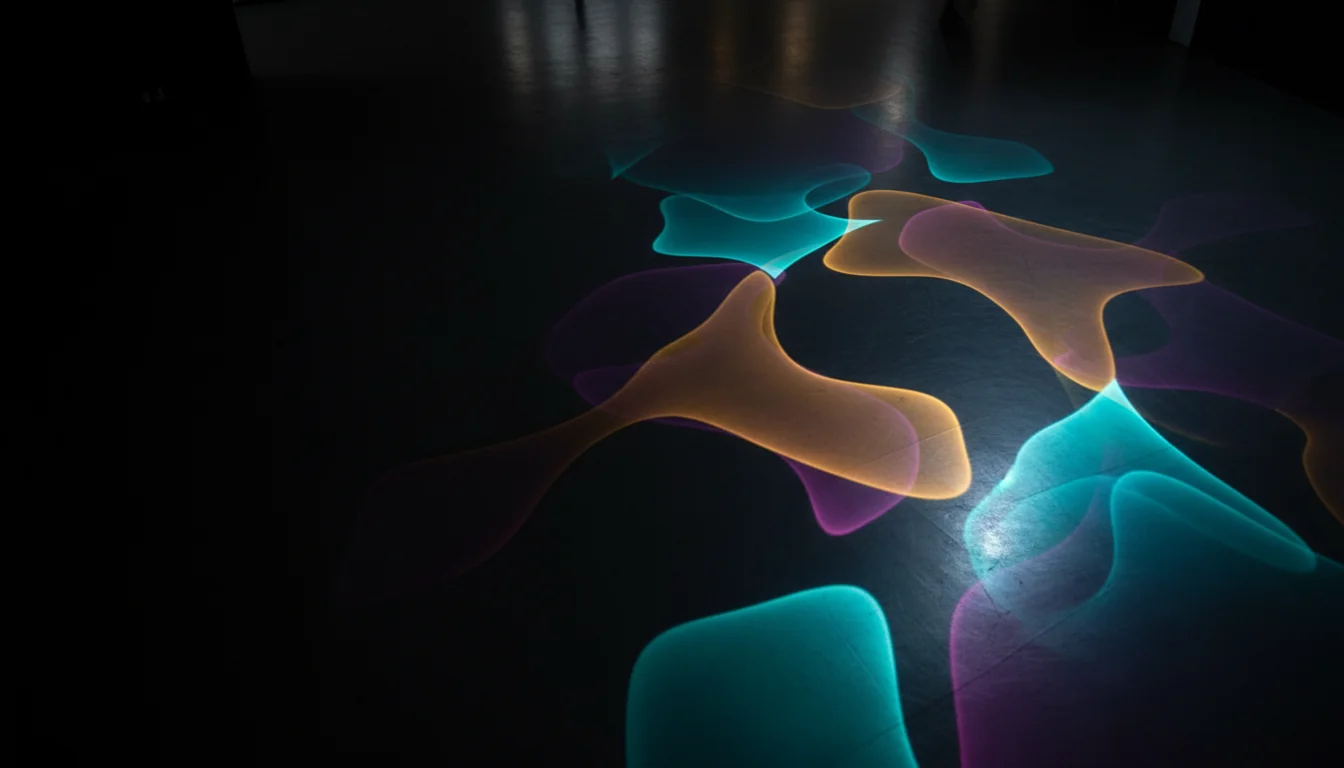
- Interactive projection games — floor or wall surfaces that react to movement; the crowd-former for malls and expos.
- Arcade and skill games — physical cabinets, custom-skinned and re-themed for the campaign.
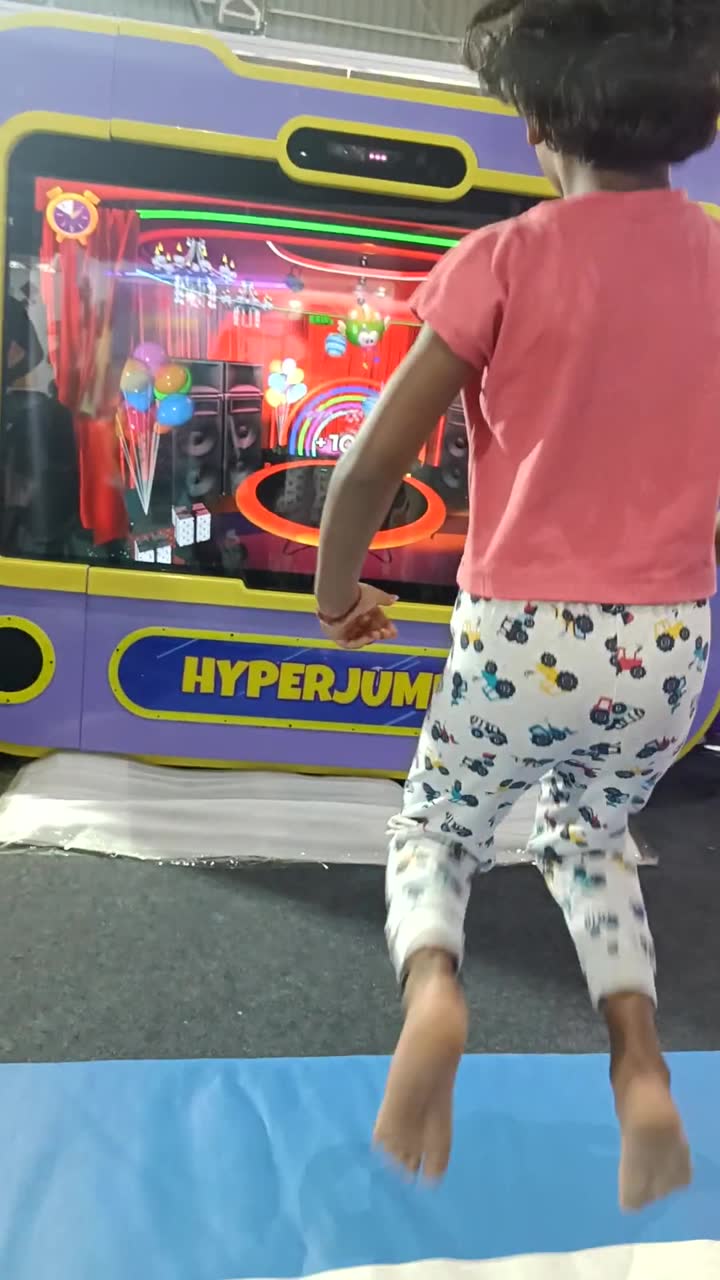
- Motion / camera games — the player's body is the controller; highly filmable.
- AR experiences — branded overlays, characters, and challenges on a screen or live camera.
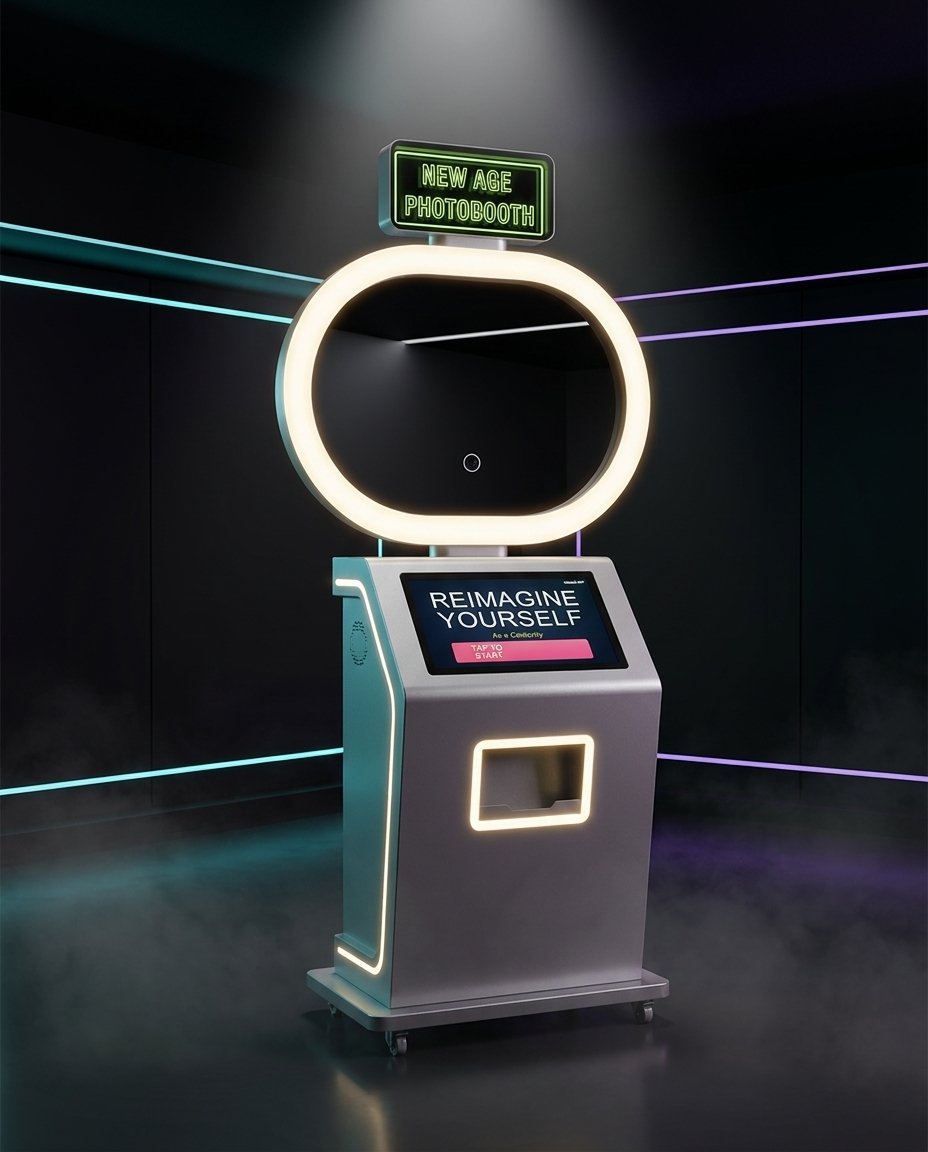
- Photo and selfie experiences — AI photo booths that double as a branded, data-capturing game.
The common thread: the experience is the brand, not a decoration around it. Off-the-shelf games carry someone else's look and can't be changed; a custom game carries yours and can be rebuilt per campaign.
Why a game beats a static activation
- Dwell time. People play for minutes, not seconds, and a queue forms behind them — more time in front of your brand and more time for staff to talk to qualified prospects.
- Shareability. Watching yourself control a game with your body is inherently postable. Visitors carry your branding into their feeds for free.
- Repeat play. "Let me try again" pulls in the people watching — something a one-and-done backdrop never does.
- A reason to give data. A prize draw, a leaderboard, or a photo delivery is a fair trade for a WhatsApp number or an app install.
How a custom game gets fabricated
This is where a manufacturer beats a rental vendor. Because Bamigos.com designs the games, visuals, software and cabinets for machines built in India, the whole experience can be built to brief rather than borrowed:
- Brief & concept — the campaign goal (footfall, leads, installs, recall), the mechanic, the brand world.
- Game & visual design — characters, scoring, prizes, and the on-screen branding.
- Software build — the game logic plus the capture layer (lead form, QR-to-install, in-game events).
- Fabrication — the physical side: cabinet, surface, projection or sensors, finished and skinned.
- Deploy & support — install at the venue, with monitoring and support behind it.
Because it's built, not rented, the same game can be redeployed across a campaign's cities and refreshed for the next one — you own the asset.
Where custom games pay off
Planning a Gaming Zone?
Get expert recommendations and pricing for your venue: including the Pikcha AI photo booth, a self-service photo attraction to evaluate for your venue. No obligation.
- Expos & exhibitions — the difference between a stall people pass and one they queue at. (See AI photo booths for exhibitions & expos and interactive games for exhibition booths.)
- Malls & retail — a free-play crowd-puller that routes footfall toward stores and paid attractions.
- Product launches & brand activations — the game is the activation, generating content and conversation.
- App-install campaigns — a game as the reward for a scan-and-download. (See gamified user acquisition.)
- Campus & college activations — high-energy, high-share, exactly the right audience for many brands.
Three outcomes a custom game can be wired for
A crowd is nice; a measurable crowd is a campaign. Because these are software, the game can be built to deliver:
- Footfall & dwell — pull and hold a crowd (projection and arcade formats).
- Lead capture — gate a prize or leaderboard behind a WhatsApp number or email, exported to your CRM.
- App installs — a scan-to-play QR that drives tracked, attributed downloads. (We break the economics down in how brands drive app downloads with physical games.)
How to measure it (so the channel gets re-funded)
The reason BTL loses budget battles is weak measurement. A properly built game fixes that: tracked QRs per machine, opt-in data tied to the specific event, and — for app campaigns — deterministic attribution through your MMP, so you can report cost-per-qualified-engagement next to your digital channels on the same dashboard. Measure it like a performance channel and it stops being "the fun thing we did" and starts being a line item that returns.
What it costs
Custom games are scoped per project — the mechanic, the format, the build complexity, the run length, and the number of cities all move the number — so they're quoted to brief rather than sold off a price list. Tell us the campaign goal and the venues, and we'll put together options.
Build a game around your brand
Custom games for events, expos, app installs and BTL, built in India by Bamigos.
Brief Us on Your ActivationRelated: experiential marketing & brand-activation ideas · custom branded games & photo booths · augmented reality games for events.
Go deeper: custom game fabrication · custom content for brands · gamification for events.