What's in this guide
- Photo & Social Experiences (Ideas 1-5)
- Gamified Interactions (Ideas 6-10)
- Interactive Installations (Ideas 11-15)
- Immersive Experiences (Ideas 16-20)
- Digital-Physical Hybrid (Ideas 21-25)
- Summary: What Bamigos Builds
- Frequently Asked Questions
Brand activations in India have shifted from passive banner-and-booth setups to interactive, tech-driven experiences that generate real-time social content and measurable leads. The experiential marketing industry in India is growing at over 15% annually, driven by brands looking for ways to break through digital ad fatigue and create genuine consumer connections.
But most brand teams hit the same wall: they know they want "something interactive" at their next event, mall activation, or product launch — but they don't know what's possible, what it costs, or who can actually build it.
This guide solves that. We've compiled 25 activation ideas that have been proven at Indian events, with realistic budgets in INR, the engagement metrics you can expect, and real-world examples from brands that executed them well. For 10 of these 25, Bamigos builds the hardware and software in India — meaning faster turnaround, deeper customization, and no middleman markup.
Category 1: Photo & Social Experiences
Photo-driven activations are the highest-ROI format for social sharing. Every interaction creates branded content that the consumer distributes voluntarily. These five ideas turn foot traffic into a content engine.
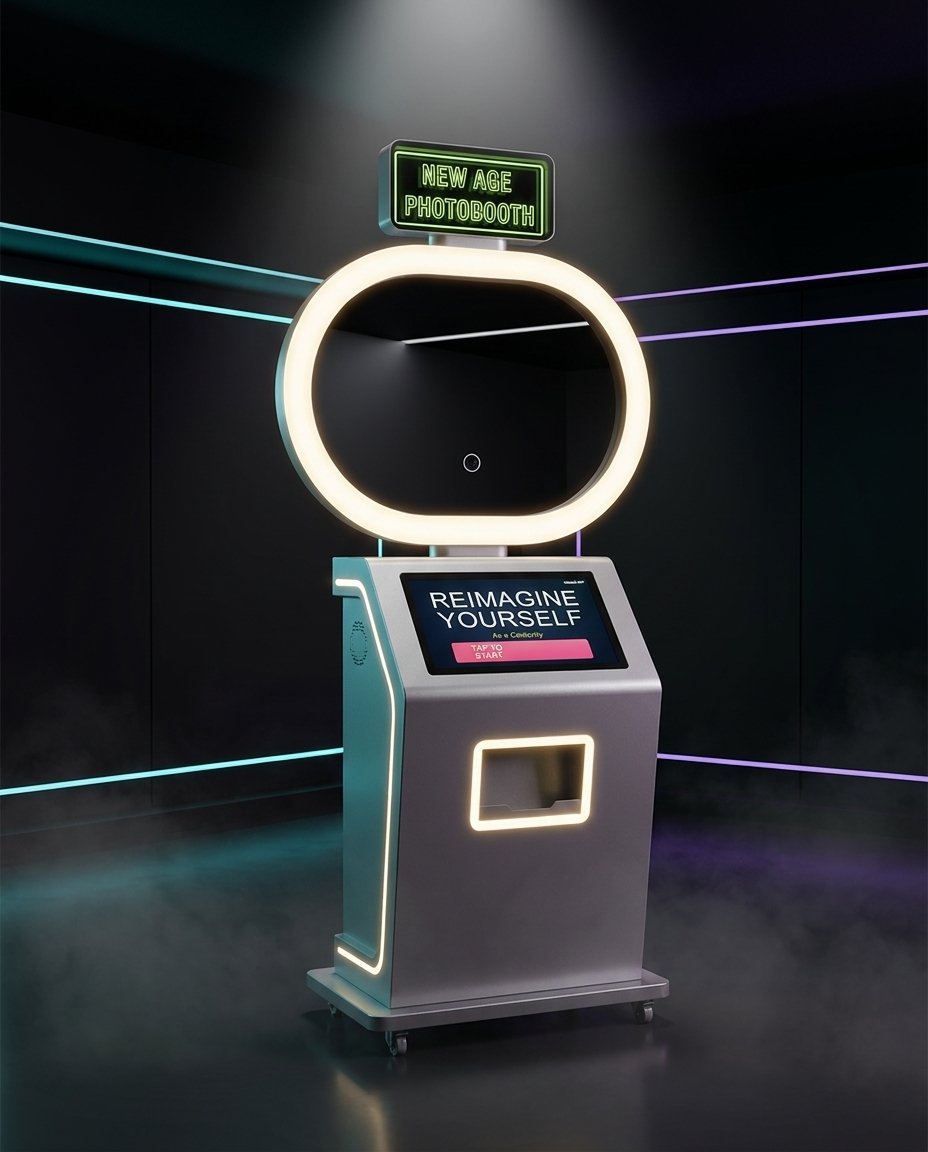
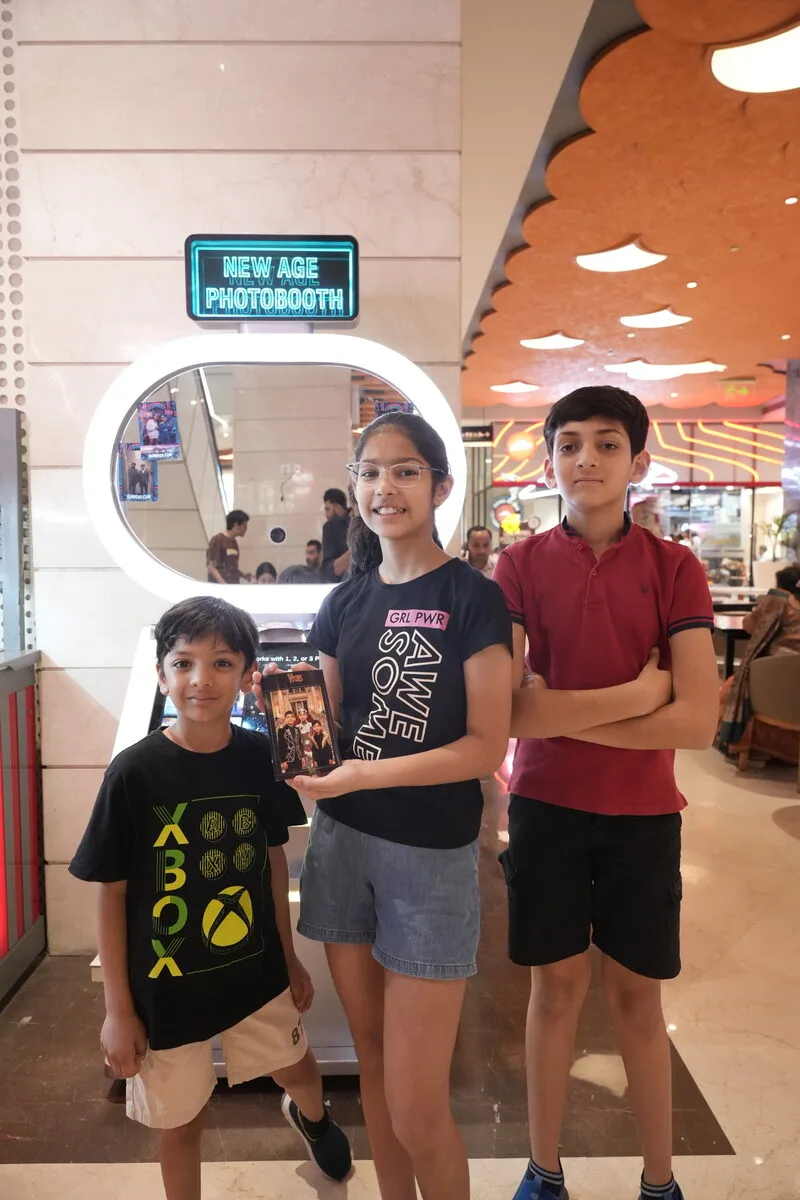
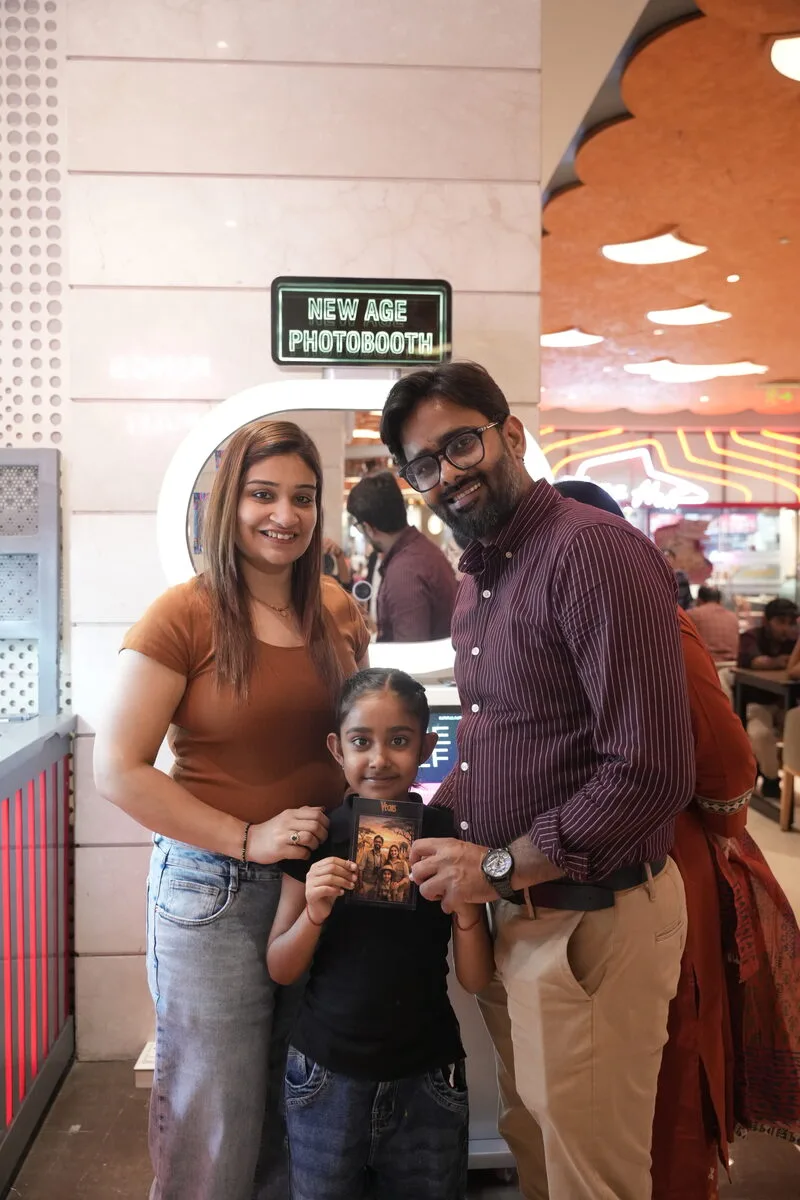
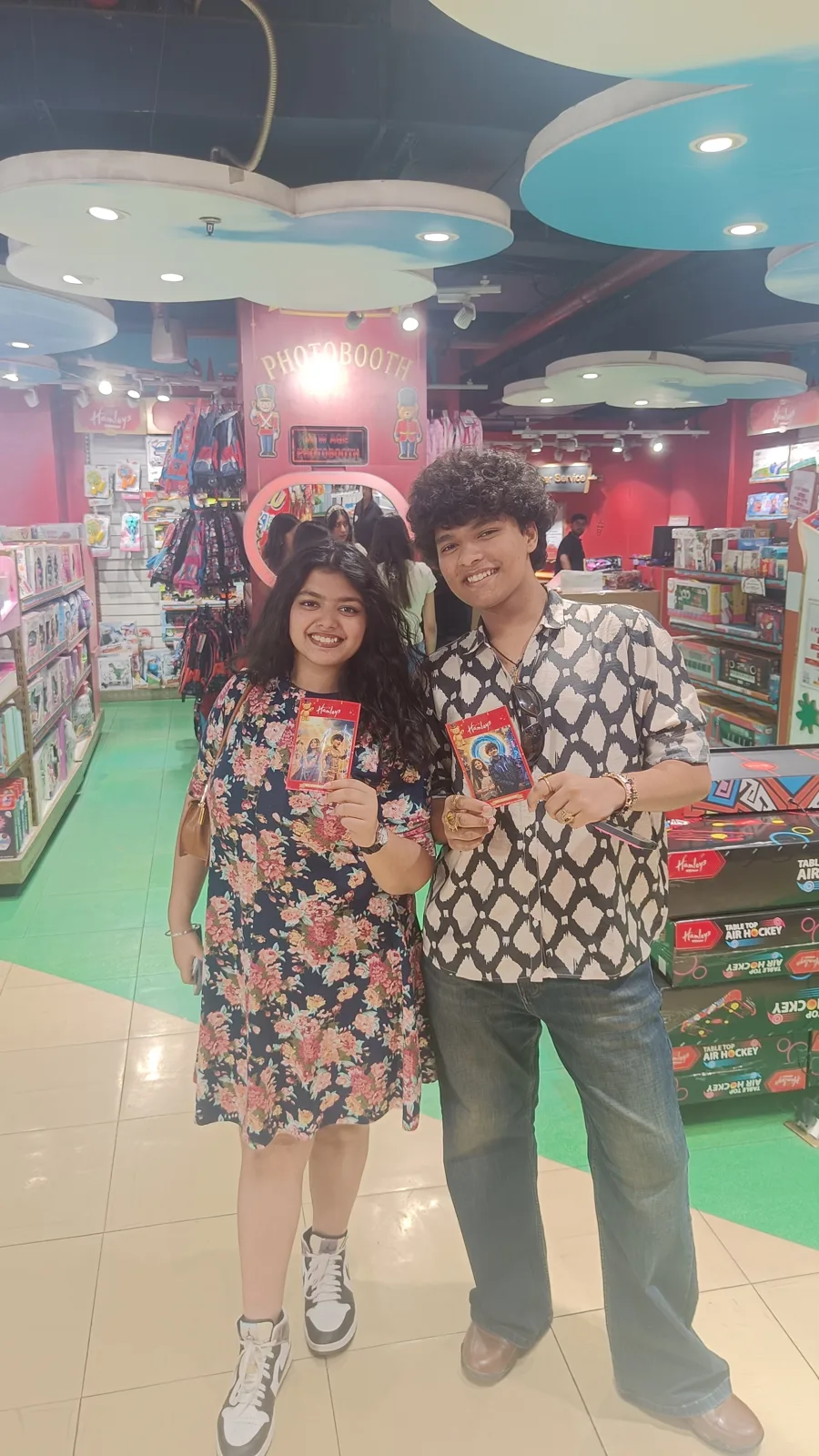
AI Photo Booth with Branded Effects
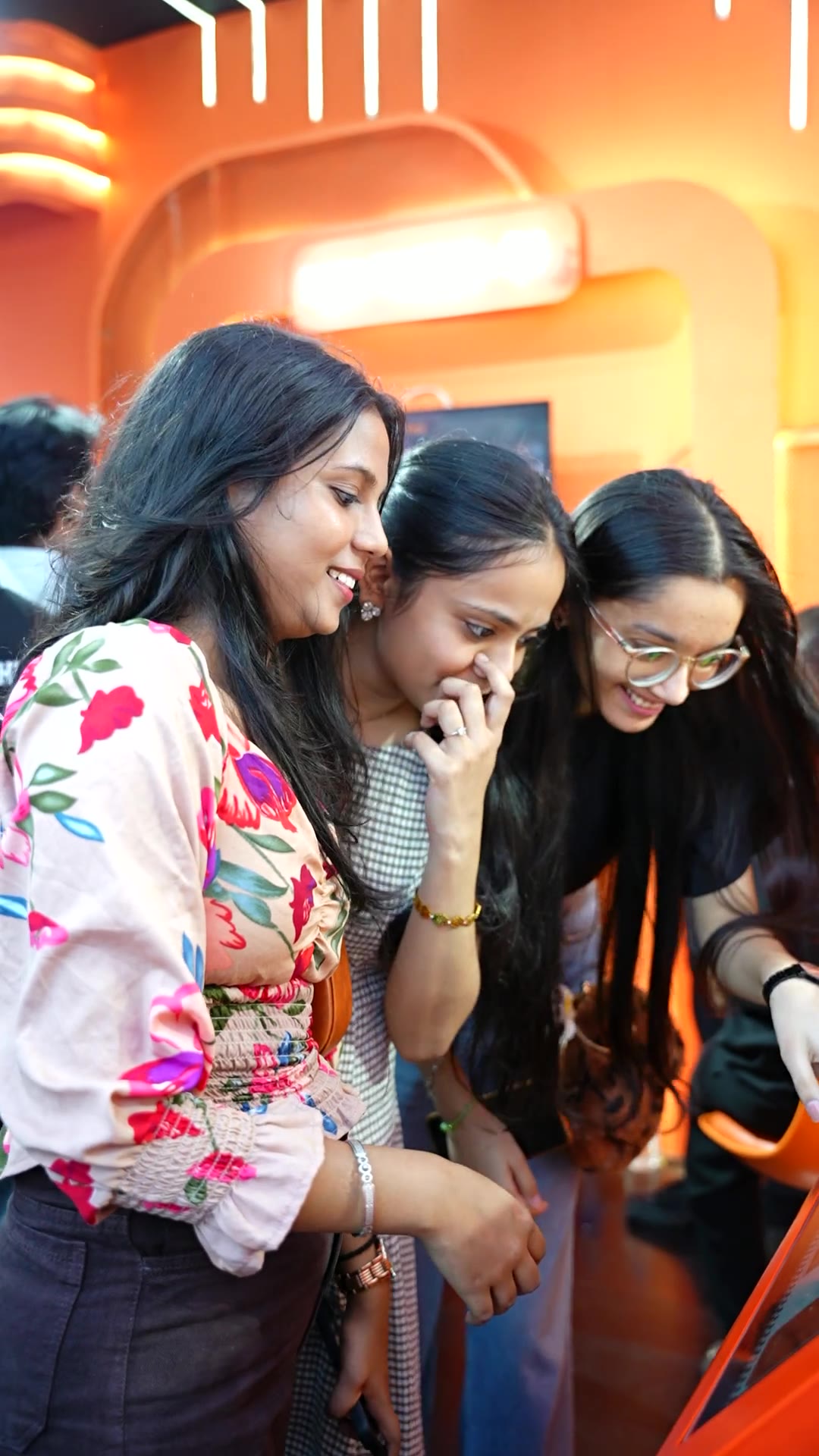
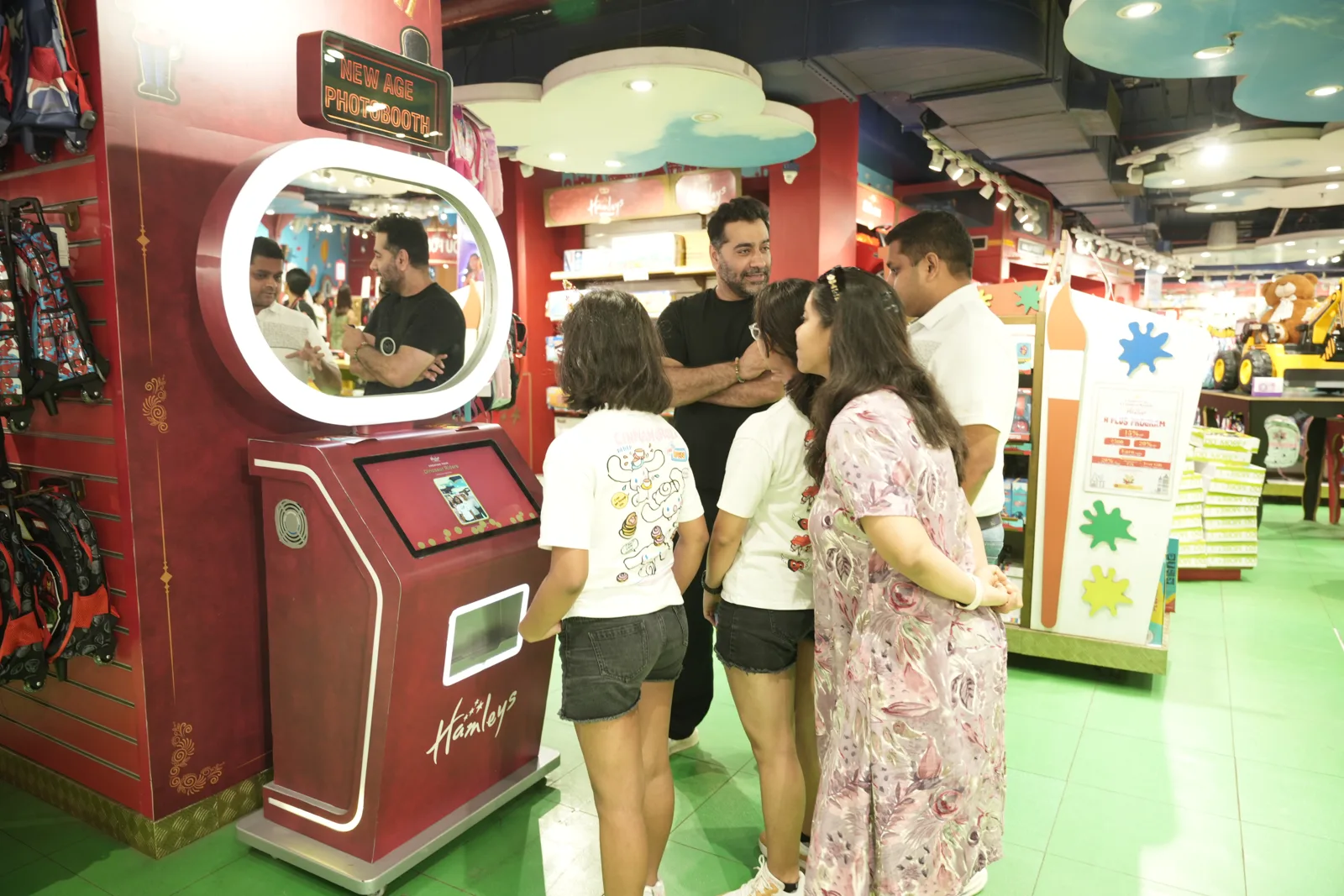
An AI-powered photo booth that uses generative AI to transform photos in real time — placing the subject into branded scenes, applying artistic effects that match the campaign theme, or creating stylized portraits with the brand's visual identity baked in. Unlike traditional photo booths with static overlays, AI booths generate unique, share-worthy content that feels premium and personal. Prints are instant, and digital copies are delivered via WhatsApp or QR code with the brand's watermark.
Social sharing rate: 60-80% of users share their photo on Instagram or WhatsApp within 24 hours, generating organic branded impressions at no additional cost.
360-Degree Video Booth
Multiple cameras arranged in a circular rig capture the subject from every angle simultaneously, producing a dramatic slow-motion "bullet time" or "Matrix effect" video clip. The output is a short video (5-10 seconds) where the camera appears to orbit the subject while they strike a pose, dance, or interact with a prop. The branded intro/outro and music are baked into the clip automatically before it's delivered to the participant's phone.
Social sharing rate: 70-85% — the dramatic video effect is inherently share-worthy and often goes viral on Instagram Reels and TikTok.
Green Screen / Virtual Backdrop Booth
A photo station with a green screen background that digitally replaces the backdrop with any scene — a tropical island, a brand's showroom, a fantasy world, or a product-themed environment. Participants see the composite in real time on a preview monitor, choose their preferred backdrop, and receive instant prints plus digital copies. The simplicity of this format makes it scalable and reliable even at high-volume events.
Social sharing rate: 40-60% — particularly effective when backdrops are topical, humorous, or aspirational.
GIF / Boomerang Station
A dedicated station captures a rapid burst of photos and stitches them into a looping GIF or boomerang-style clip. The format is native to Instagram Stories and WhatsApp statuses, making it one of the most social-friendly activation formats. Props, branded backdrops, and lighting rigs create a consistent visual identity across every clip. The output auto-delivers via SMS or QR scan within seconds of capture.
Social sharing rate: 55-75% — the fast, fun format has very low friction for sharing, especially among younger demographics.
AR Selfie Mirror with Brand Filter
A large mirror-like screen uses augmented reality to overlay digital elements on the viewer's reflection in real time. Think branded sunglasses, hats, or virtual makeup appearing on your face as you look into the mirror, or a full-body AR experience where you're "wearing" a new product collection. The mirror captures photos and videos on demand, creating highly personalized branded content that the participant keeps.
Social sharing rate: 45-65% — novelty factor is high, and the personalized nature of AR content drives sharing among friends and followers.
Category 2: Gamified Interactions
Gamification activations create competitive, reward-driven interactions that hold attention longer than passive formats. They're particularly effective for data capture — consumers willingly provide their information to participate and claim prizes.
Custom Branded Claw Machine with Prizes
A full-sized claw machine wrapped in the brand's visual identity, filled with branded merchandise, product samples, or vouchers as prizes. The familiar arcade mechanic requires zero explanation — everyone knows how a claw machine works — which makes it one of the lowest-friction activation formats. The exterior wrap, internal lighting, sound effects, and prize selection are all customizable. The machine can be configured to guarantee wins at set intervals, ensuring every Nth player wins to control prize distribution costs.
Social sharing rate: 25-40% — lower than photo formats, but the queue and spectator effect creates crowd-drawing energy that amplifies foot traffic to adjacent brand touchpoints.
Spin-the-Wheel Digital Kiosk
A touchscreen kiosk displays a digital prize wheel that consumers spin after completing a desired action — downloading an app, following a social account, scanning a QR code, or filling in a lead form. The digital format allows dynamic prize allocation (the backend controls win probability), real-time analytics on participation, and instant coupon delivery via SMS or email. It's the digital evolution of the physical spin-the-wheel, with better data capture and no manual prize handling.
Lead capture rate: 70-90% of participants provide contact information when it's gated before the spin, making this one of the most efficient lead-gen formats per rupee spent.
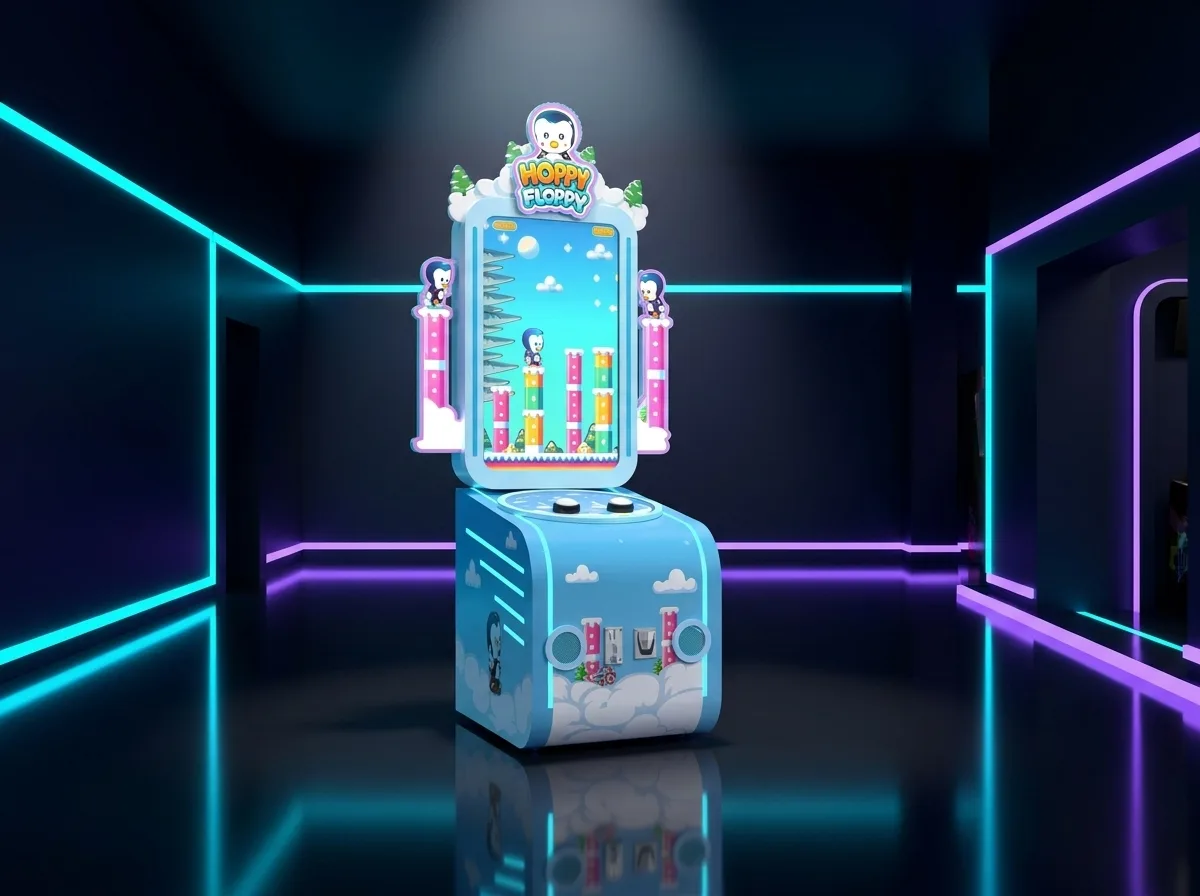
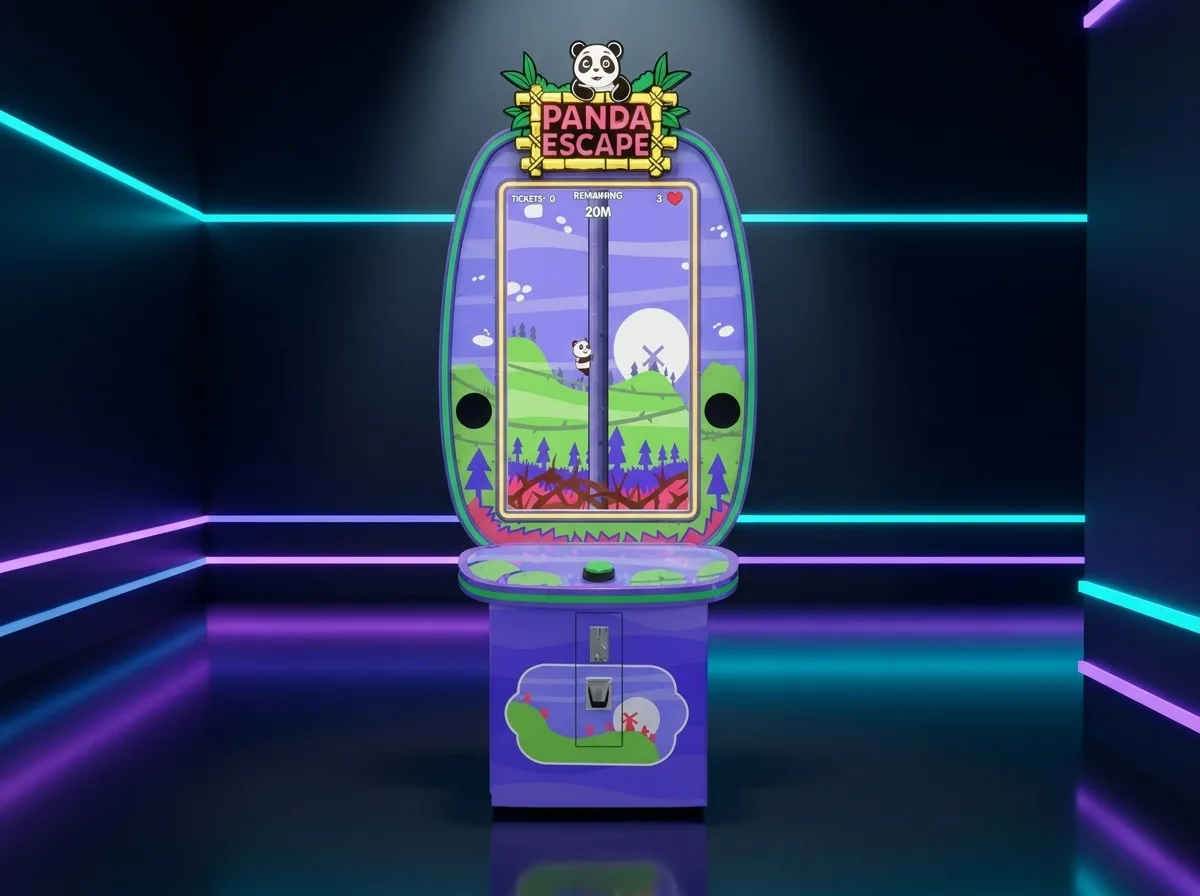
Play-to-Win Arcade Game with App Download Gate
A custom arcade game cabinet where the consumer must first download the brand's app or complete a specific action to unlock the game. Once they play, high scorers win instant prizes or are entered into a draw. The game itself is branded — custom graphics, sound effects, and gameplay that ties into the campaign theme. The leaderboard creates competition and repeat play, driving extended engagement at the activation zone.
App download conversion: 80-95% of players complete the app download when it's the gate to play, with 30-40% retaining the app beyond 7 days.
Basketball / Shooting Skill Game with Leaderboard
A physical skill game — basketball hoops, target shooting, ball tossing, or similar — with electronic scoring, a digital leaderboard display, and branded theming on the cabinet and backdrop. The leaderboard creates a competitive loop: people watch others play, want to beat their score, and often play multiple times. Participants register with their phone number to appear on the leaderboard, creating a natural data capture mechanism without feeling like a form fill.
Crowd multiplier: For every 1 person playing, 3-5 are watching, creating a 4-6x footfall multiplier around the activation zone compared to passive display formats.
Prize Vending Machine Triggered by Social Media Action
A vending machine that dispenses prizes, product samples, or branded merchandise only after the consumer completes a social media action — posting with a hashtag, following the brand's account, checking in at the venue, or sharing a story. The machine verifies the action via a kiosk screen, then vends the reward. It directly converts activation interactions into measurable social media metrics with provable ROI.
Social action completion: 90-95% of participants who start the flow complete the social action, since the prize is the immediate incentive.
Category 3: Interactive Installations
Interactive installations transform physical space into a brand experience. These are the "wow factor" formats that dominate event photography and media coverage. They require more space and budget but deliver outsized impressions per activation.
Interactive Projection Floor with Brand-Themed Games
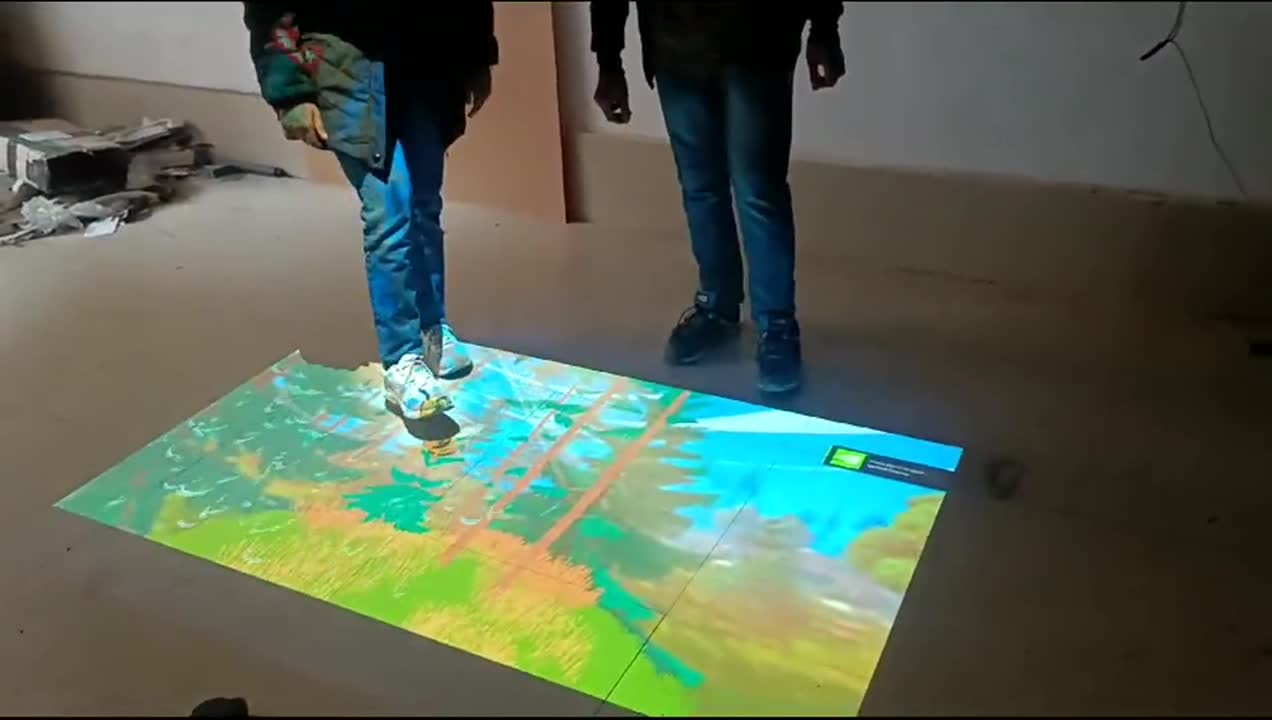
A ceiling-mounted projector and motion sensors create an interactive floor where people's footsteps trigger visual effects — rippling water, scattering brand logos, game elements they chase with their feet, or reactive art that responds to movement. The content is fully customizable: brands can create football pitch games, color-mixing experiences, product-themed whack-a-mole, or ambient effects that activate only when someone walks through the zone. The technology is invisible (no screens to touch, no instructions to read) which creates the most natural engagement of any activation format.
Social sharing rate: 30-50% — particularly effective as video content on Instagram Reels, where the "magic floor" effect consistently generates curiosity-driven views.
Interactive Wall with Motion-Sensing Brand Game
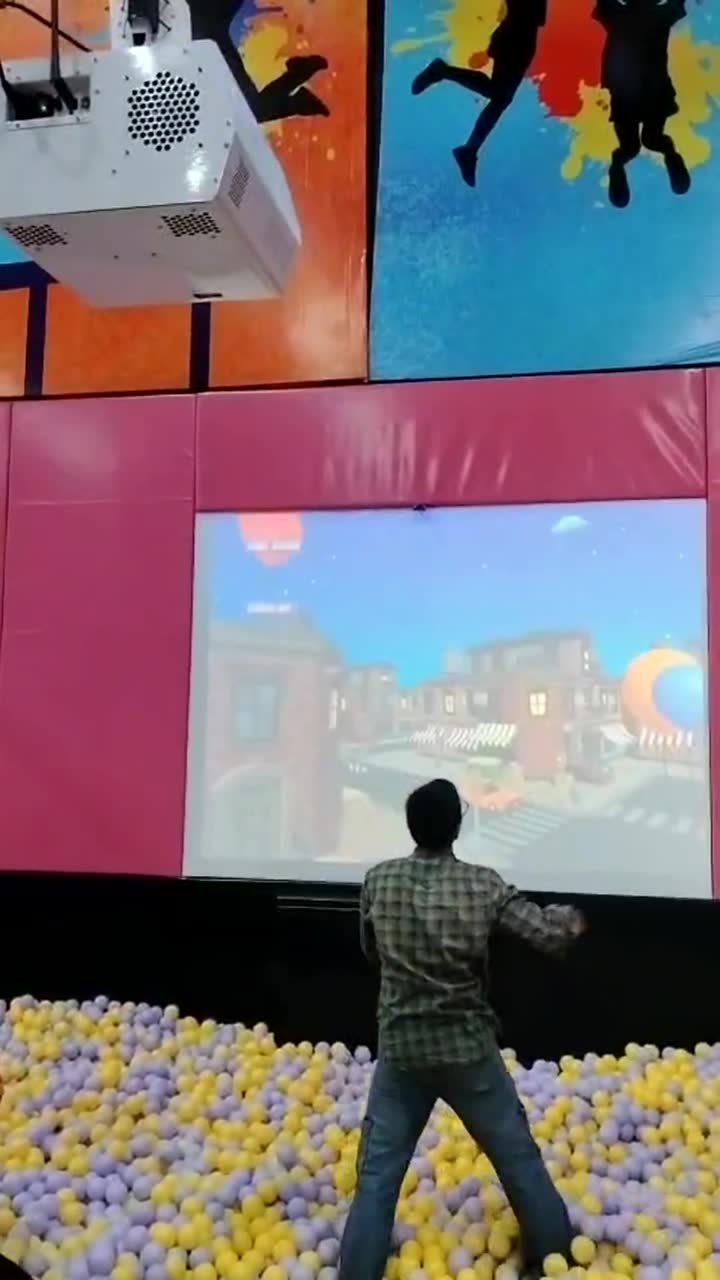
A large projected or LED wall surface that responds to body movements detected by depth sensors or cameras. Participants can play games, paint with their hands, swat brand-themed objects, or interact with a virtual brand mascot — all without touching anything. The wall format is visible from a distance, which draws crowds naturally. Multiple people can interact simultaneously, making it suitable for high-traffic zones where one-at-a-time formats would create bottlenecks.
Social sharing rate: 35-55% — the visual spectacle of people interacting with a wall-sized screen is inherently camera-worthy, especially when children are involved.
Touch-Screen Product Configurator Kiosk
A large touchscreen kiosk where consumers can configure, customize, or explore a product in detail — choosing colors, features, add-ons, and seeing the result in real-time 3D rendering. The configurator captures preference data (which colors are most popular, which features matter) while giving the consumer an engaging, ownership-like experience with the product before purchase. Configurations can be saved via email, creating a natural lead capture touchpoint.
Lead quality: Leads from configurator kiosks convert at 2-3x the rate of general event leads because the consumer has already invested time in personalizing the product.
Gesture-Controlled Brand Experience
Using depth cameras (Kinect-style sensors or LiDAR), participants control on-screen brand content through body movements and hand gestures — no controllers, no touchscreens. They might "fly" through a virtual brand world, manipulate 3D product models, or play immersive games using only their body as the controller. The touchless, futuristic interaction creates strong "I need to try this" curiosity among onlookers, and the visual of someone interacting with an invisible interface is inherently shareable content.
Planning an Entertainment Center?
Get FEC equipment recommendations and pricing: including the Pikcha AI photo booth, a self-service photo attraction with a 6.3 sq ft equipment footprint.
Media coverage: Gesture-controlled installations are disproportionately featured in event recaps and media coverage because they photograph and video well, providing earned media value beyond attendee reach.
AI Virtual Try-On Screen for Fashion/Beauty
A screen with a camera that uses computer vision and AI to overlay products onto the viewer's body or face in real time — clothing, accessories, makeup, eyewear, or hairstyles. Unlike the AR selfie mirror (which uses predefined filters), the AI try-on screen generates realistic product renders that show fabric drape, color accuracy, and size proportion. It bridges the gap between online browsing and physical trial, solving a major friction point in retail activation.
Purchase intent: Studies show virtual try-on increases purchase intent by 35-50% compared to static product displays, and reduces return rates by 20-30% when the technology is accurate.
Category 4: Immersive Experiences
Immersive formats transport the consumer into a fully branded environment. They're the highest-impact, highest-budget activations — typically reserved for flagship events, product launches, or premium brand experiences. When done right, they generate press coverage that extends reach far beyond the physical event.
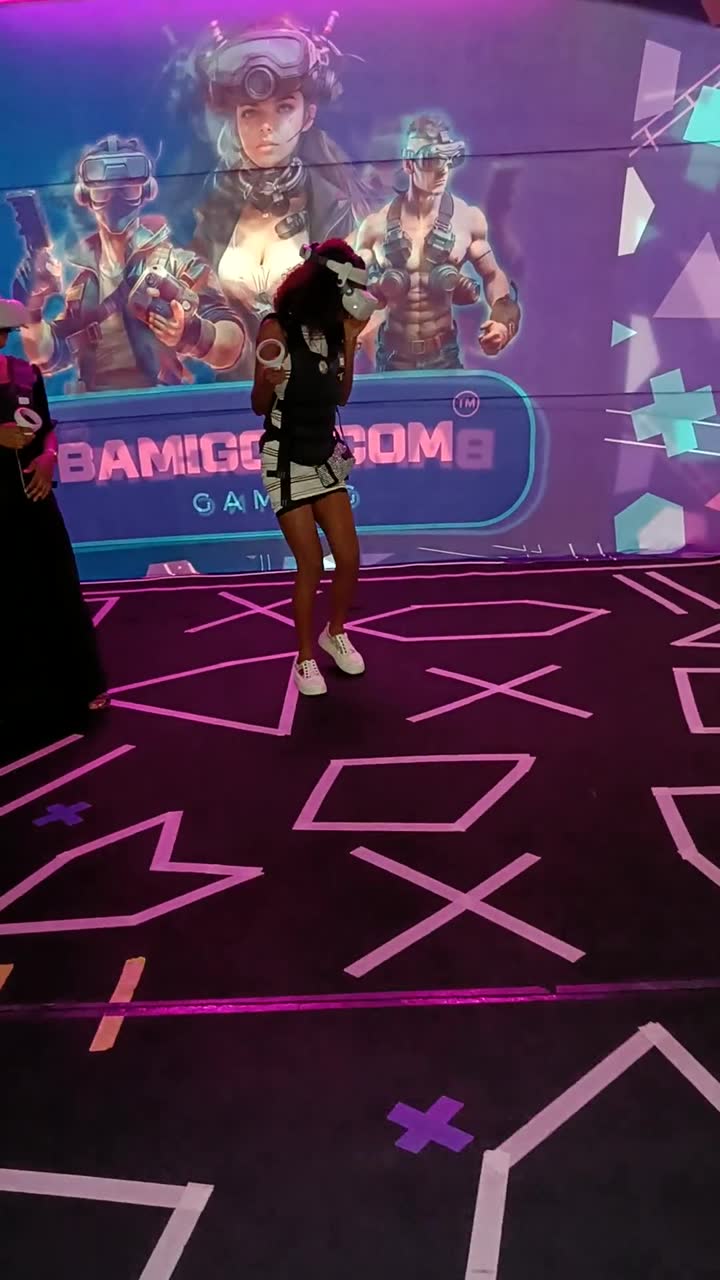
VR Brand Experience Pod
A self-contained VR pod where consumers wear a headset and are transported into a fully immersive brand world — a virtual factory tour, a product adventure, a branded game, or a narrative experience that tells the brand story in 360 degrees. The pod enclosure provides soundproofing and visual isolation, creating a cinema-like experience in the middle of a busy event floor. Sessions typically last 3-5 minutes, and the pod's exterior serves as a branded landmark on the event floor.
Brand recall: VR experiences generate 70% higher brand recall compared to 2D video ads, according to multiple studies, because of the emotional intensity and novelty of full immersion.
Projection Mapping on Structures/Products
High-powered projectors map visuals onto 3D surfaces — buildings, product replicas, stage sets, or custom structures — creating the illusion of transformation, motion, and impossibility. A car appears to disassemble and reassemble. A building facade "comes alive" with brand animations. A product box appears to open itself and reveal what's inside. Projection mapping is the single most dramatic activation format available, turning physical objects into canvases for storytelling.
Media amplification: Projection mapping shows are the most likely activation format to be covered by press and shared virally. A single show can generate 10-50x its audience in online views.
Sensory Tunnel / Walkthrough
A physical corridor or tunnel that engages multiple senses — visual projections, spatial audio, scent diffusers, temperature changes, and tactile surfaces — to create a fully immersive walk-through brand experience. Visitors enter one end and emerge transformed at the other, having been through a multi-sensory brand narrative. Each section of the tunnel can represent a different product line, brand value, or campaign message. The format controls the consumer journey from start to finish with zero distractions.
Emotional impact: Multi-sensory experiences create 3-4x stronger emotional memories than visual-only formats, translating to significantly higher brand recall in post-event surveys.
Pop-Up Retail Container with Interactive Elements
A shipping container or modular structure converted into a mobile brand experience that can be deployed at events, parking lots, or public spaces. The exterior is a billboard-scale brand statement; the interior combines retail displays with interactive tech — touchscreens, photo booths, product demos, or immersive displays. The container format is inherently Instagram-worthy (bold, unusual, temporary) and creates urgency through its pop-up nature. It can be transported and redeployed across multiple cities for a touring activation.
Cost efficiency: While the upfront cost is high, the per-city cost drops dramatically on multi-city tours since the container is reused. A 5-city tour effectively costs 20% of building 5 separate activations.
Holographic Product Showcase
A holographic display creates a floating 3D image of a product that appears to hover in mid-air, visible from multiple angles without glasses. The hologram can rotate, explode into component views, change colors, and respond to gesture controls. This format is most effective for products that benefit from being seen in 3D — electronics, automobiles, jewelry, or packaged goods — where a flat screen doesn't convey the full product experience. The "how is this floating?" factor makes it an instant crowd-stopper.
Perception premium: Brands using holographic displays are perceived as 25-35% more innovative by consumers, according to trade show exit surveys — a significant halo effect on overall brand perception.
Category 5: Digital-Physical Hybrid
These formats connect physical activations with digital touchpoints — apps, social media, websites, and CRM systems. They're the bridge between a one-time event interaction and a lasting brand relationship. Often the most cost-efficient category because the physical footprint is small but the digital reach multiplies impact.
QR Code Treasure Hunt Across Venue
Branded QR codes placed at strategic locations throughout a venue, mall, or event create a scavenger hunt that drives foot traffic across the entire space. Participants scan codes to collect digital stamps, unlock clues, or earn points on a leaderboard. Completing the hunt (scanning all or most codes) unlocks a prize, discount, or entry into a draw. The format requires minimal physical infrastructure — just printed QR standees and a web-based game backend — making it one of the most cost-effective activations available.
Venue coverage: Participants visit 60-80% more of the venue area compared to non-participants, making this format valuable for venues and multi-brand events where foot traffic distribution matters.
Social Media Wall — Live Feed of Event Hashtag
A large screen (typically 55-85 inches or projected) that displays a live, curated feed of social media posts containing the event's hashtag. When attendees post with the hashtag on Instagram, Twitter/X, or LinkedIn, their post appears on the wall within minutes. The visibility of their content on a big screen incentivizes more posting, creating a positive feedback loop of user-generated content. The wall can be moderated to filter inappropriate content before display.
Content multiplier: Events with social walls generate 2-3x more social posts with the event hashtag compared to events without one. The wall turns passive attendees into active content creators.
NFC/RFID-Triggered Personalized Experience
Attendees receive an NFC wristband or RFID card at registration. As they move through the event, tapping their wristband at different touchpoints unlocks personalized content, stores their preferences, and creates a continuous data trail. At a product display, the tap might trigger a personalized video. At a photo booth, it auto-tags their photos. At exit, they receive a personalized email with all their event interactions compiled. The technology is invisible — a simple tap replaces filling forms, scanning QR codes, or giving verbal information at every touchpoint.
Data quality: NFC/RFID systems capture behavioral data (where did they go, how long did they stay, what did they interact with) that is impossible to collect through traditional methods, enabling post-event analytics that inform future activations.
Gamified Lead Capture Kiosk — Play Game, Share Info
A touchscreen kiosk with a branded mini-game (quiz, puzzle, memory match, reaction test) where participants enter their contact details to play and are rewarded based on their score. Unlike a plain lead capture form that feels transactional, the game creates a positive emotional association with the data exchange. The kiosk captures name, phone, email, and can include qualifying questions disguised as game-related choices ("Which product interests you most?" as a game-level selection).
Lead capture rate: 85-95% of players provide complete contact information, compared to 15-25% completion rates for traditional form-only lead capture. The game mechanic makes data sharing feel like part of the experience, not a chore.
Contactless Instant Coupon / Sample Dispenser
A sleek, branded dispensing unit that delivers product samples, discount coupons, or small branded items when triggered by a contactless action — waving a hand over a sensor, tapping a phone, or scanning a QR code. The contactless interaction is hygienic, fast, and creates a moment of delight (something appeared "magically"). The dispenser collects data with each vend (phone number for digital coupons, or social action verification) and tracks redemption rates in real time.
Sample-to-purchase conversion: Automated dispensers deliver 20-30% higher sample-to-purchase conversion compared to human-staffed sampling because the touchless interaction removes social pressure and awkwardness.
What Bamigos Builds In-House
Bamigos manufactures 10 of these 25 activation formats in India — AI photo booths, 360-degree video booths, claw machines, arcade game cabinets, basketball skill games, interactive projection floors, interactive walls, AI virtual try-on screens, VR experience pods, and gamified lead capture kiosks.
That means faster turnaround (2-8 weeks, not months), deeper customization (we control hardware and software), and no middleman markup (direct pricing). For the other 15 formats, we can advise on sourcing, integrate our tech into larger activations, or build the software layer that powers them.
Have a Campaign Brief?
Book a 30-minute briefing call — we'll concept 2-3 custom builds for your activation, with budgets and timelines. No commitment, no sales pitch, just ideas you can use.
Frequently Asked Questions
References & Further Reading
- Federation of Indian Chambers of Commerce & Industry (FICCI) — India's premier industry body, with reports on the events and entertainment sector.
- EY India — Media & Entertainment Report — Annual analysis of India's experiential marketing industry, including growth projections and spending trends.
- Eventbrite — Experiential Marketing Trends — Global data on activation engagement metrics and consumer behavior at events.
Guide: Custom branded games for events, expos & BTL activations — the complete playbook (fabrication, lead capture, app installs, measurement).