Best Franchise Business in India 2026: 8 Options Under ₹10 Lakhs (Ranked by ROI)
Franchise listings in India all sound the same: "low investment, high returns, proven model, pan-India support." Then you sign up and discover that "support" means a WhatsApp group and a PDF manual, and "high returns" meant high returns for the franchisor — not you.
This guide cuts through that. We compare eight franchise and franchise-like business models under ₹10 lakhs available in India in 2026, ranked by the metric that matters: how quickly your money comes back and what it earns after that.
Every number in this guide is based on publicly available data, industry averages, and operator reports — not franchisor pitch decks.
What Makes a Good Franchise in 2026?
Before the list, here is what separates a franchise that works from one that traps your capital:
- Payback under 18 months. If the franchisor's own projections show 24–36 month payback, the real number is 36–48 months. Reject anything over 18 months at the ₹5–10L level.
- Transparent unit economics. If they will not show you a per-unit P&L with real costs (not just revenue projections), walk away.
- Low ongoing royalty. Many franchises charge 5–15% of gross revenue as ongoing royalty. At thin margins, this can be the difference between profit and loss.
- No exclusive territory lock-in without performance. A franchise that locks you into an area but does not guarantee support is just collecting your franchise fee.
- Operational independence. The best franchise-like models let you run the business without the franchisor's daily involvement — and without their daily cut.
The 8 Options — Ranked by ROI
Looking specifically for a food franchise under ₹10 lakh? Three of the eight below are food businesses: chai kiosks (#2), Amul parlours (#3) and cloud kitchens (#4).
1. AI Photo Booth Business (₹3.5–6.5L + GST)
Investment: ₹4.13L–₹7.67L (Pikcha Lite to Pro, incl. GST)
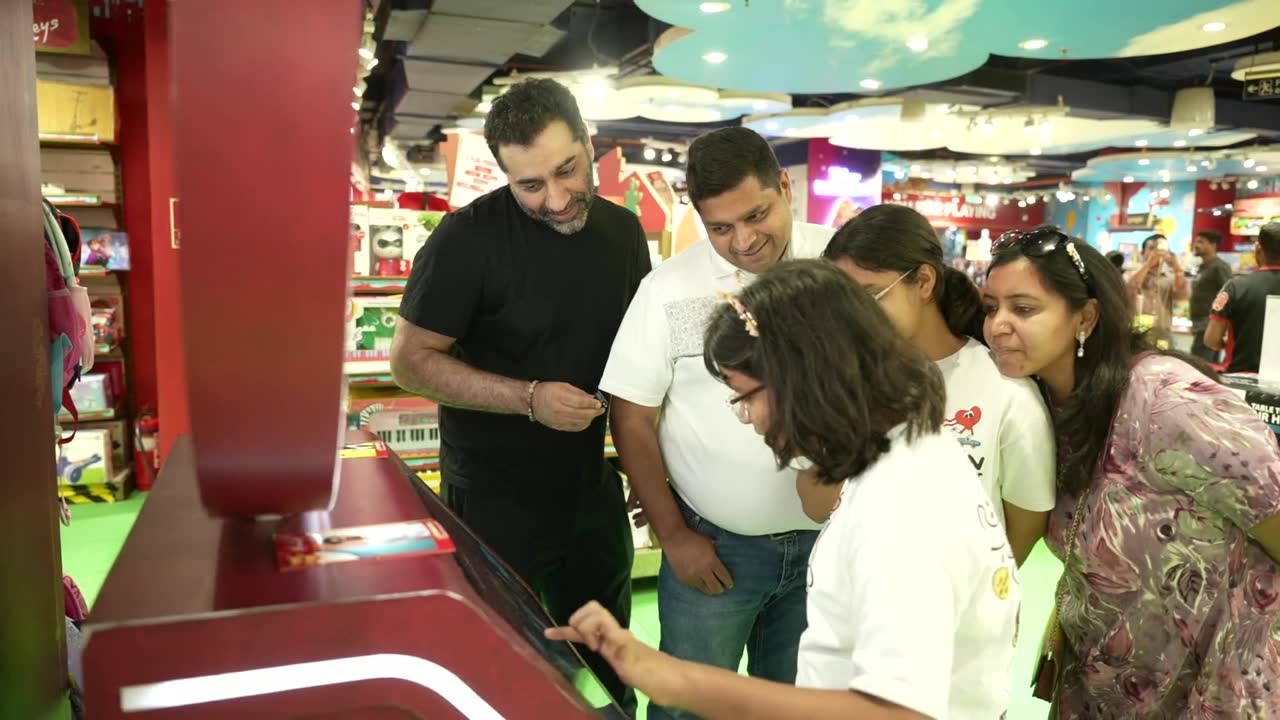
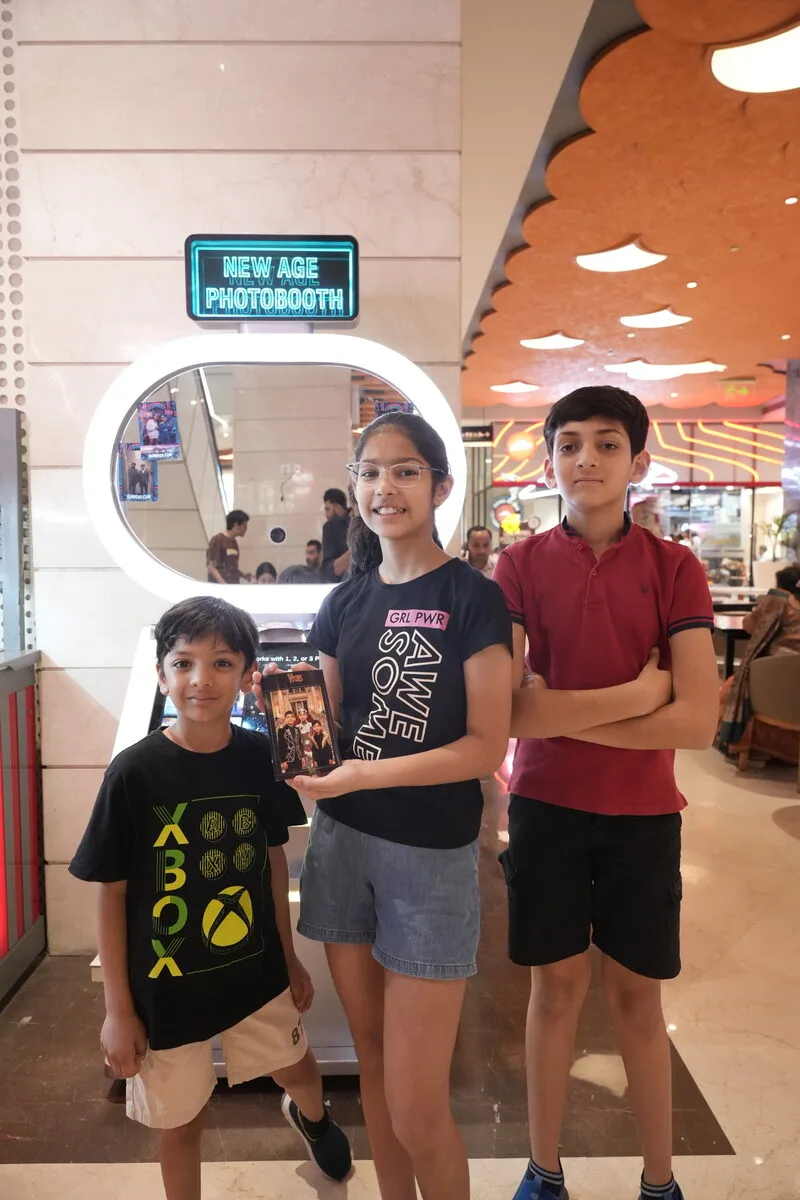
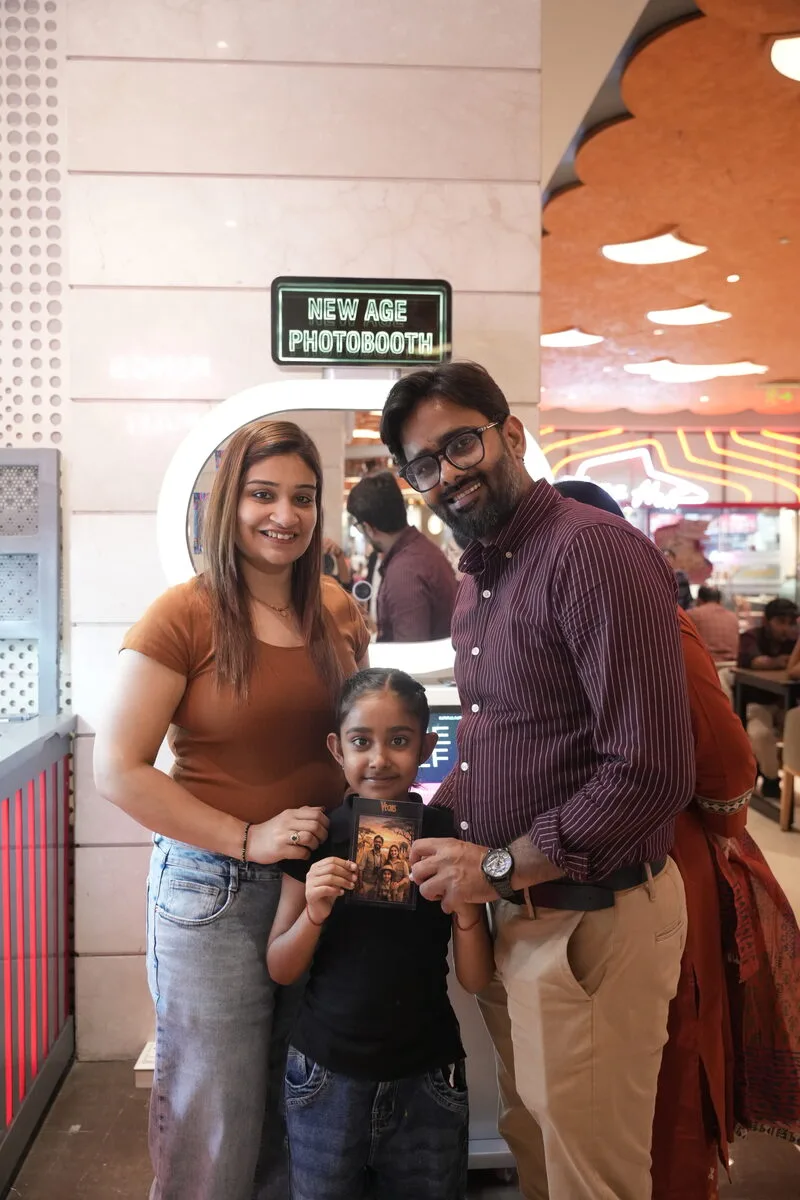
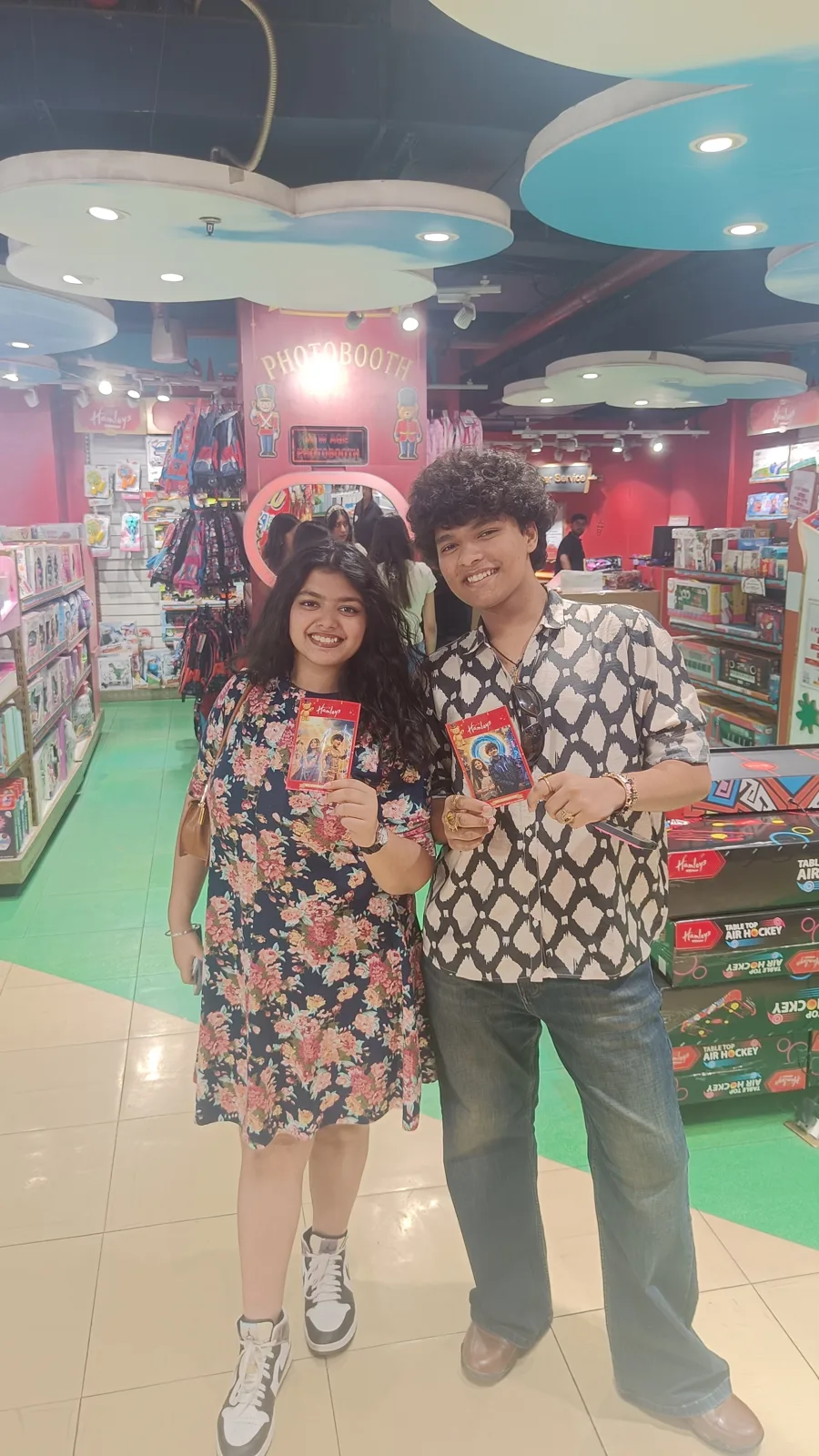
Ongoing royalty: No percentage-based royalty. Ongoing costs include AI processing credits and print consumables (scoped at purchase).
Monthly net profit: ₹50,000–₹1,20,000
ROI timeline: 6–14 months
Staff: Zero
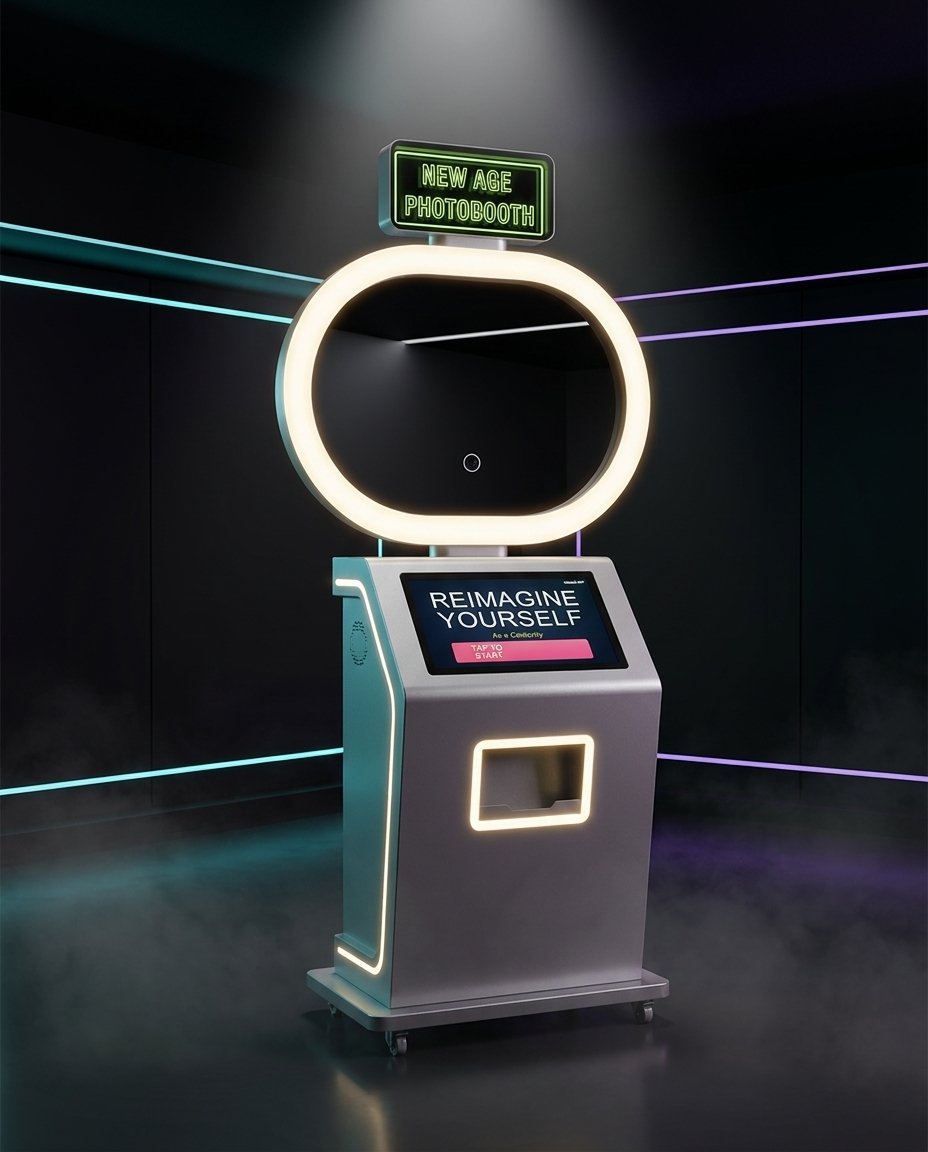
This is not a traditional franchise — it is a business-in-a-box. You buy the equipment, place it in a mall or venue, and it earns revenue through self-service UPI payments. No franchise fee, no territory restrictions. You own the machine. Ongoing costs are operational (AI credits, consumables, AMC) — not a percentage of your revenue.
Why it ranks first:
The ROI is the fastest on this list (6–14 months), the ongoing cost is the lowest (no percentage royalty, no staff), and the scaling model is the simplest (buy another machine, place it in another mall). A single Pikcha AI Photo Booth at a mid-tier metro mall can generate ₹1.5–₹2L/month gross at a good spot, with roughly 58% net margins.
Compare this to a chai franchise where you pay ₹3–5L as a franchise fee, then 8–12% ongoing royalty on every cup you sell, plus staff costs. The photo booth's "franchise fee" is the machine itself — and there is no percentage-based royalty after that. Ongoing costs (AI credits, print consumables, and post-warranty AMC) are fixed operational expenses, not revenue cuts.
Multi-unit advantage: The Pikcha Pro tier (₹6.5L + GST) is designed specifically for operators building a network — full white-label branding, custom UI, dedicated account manager.
Calculate your ROI → | See full pricing →
2. Chai Sutta Bar / Chai Point Franchise (₹5–10L)
Investment: ₹5–10L (franchise fee + fitout + initial inventory)
Ongoing royalty: 5–10% of gross revenue
Monthly net profit: ₹25,000–₹60,000
ROI timeline: 12–20 months
Staff: 3–5
Chai franchises are India's most popular low-investment franchise category. Brands like Chai Sutta Bar, MBA Chai Wala, Chai Point, and Chaayos offer franchise packages ranging from ₹5L (kiosk) to ₹25L (full cafe).
The reality for a ₹5–10L budget:
At this level, you get a small kiosk format — 100–200 sq ft, limited menu, 1–2 seating spots. Monthly gross revenue: ₹1.5–₹3L. After COGS (30–35%), staff wages for 3–4 people (₹35,000–₹50,000), rent (₹15,000–₹40,000), royalty (5–10%), and utilities: net profit ₹25,000–₹60,000.
What they do not tell you: Staff turnover in food service is 30–40% annually. Training replacements costs time and money. Franchise agreements often include mandatory purchases from the franchisor's supply chain at above-market prices. And the 5–10% royalty is calculated on gross revenue, not profit — so even in a bad month, you owe the franchisor.
Best for: People who want an established brand name and are willing to trade margin for marketing support.
3. Amul Franchise (Preferred Outlet / Parlour) (₹2–6L)
Investment: ₹2–6L (scooping parlour or preferred outlet)
Ongoing royalty: None (Amul is a cooperative)
Monthly net profit: ₹15,000–₹40,000
ROI timeline: 12–18 months
Staff: 1–2
Amul's franchise model is one of the most accessible in India. The Amul Preferred Outlet (₹2L) is a small shop selling Amul's milk, cheese, butter, and ice cream products. The Amul Scooping Parlour (₹5–6L) adds ice cream scooping — higher margins per serving.
The appeal: No franchise fee (technically a "security deposit"), no royalty. Amul provides refrigeration equipment, signage, and a GST-registered supply chain. You earn retail margin on every product sold.
The limitation: Margins are thin — 2.5% on milk, 10% on ice cream and other products. At ₹50,000–₹1,50,000 gross revenue/month, your absolute profit is modest. This is a safe, steady business — not a high-growth one.
Best for: Risk-averse investors in tier-2/3 towns where the Amul brand carries significant trust and walk-in traffic.
4. Cloud Kitchen / Food Delivery Brand Franchise (₹5–10L)
Investment: ₹5–10L (kitchen setup + equipment + franchise fee)
Ongoing royalty: 4–8% of gross + delivery platform commission (20–30%)
Monthly net profit: ₹20,000–₹50,000
ROI timeline: 14–24 months
Staff: 3–5
Cloud kitchens exploded during the pandemic and remain a viable franchise model. Brands like Faasos (Rebel Foods), Box8, Biryani By Kilo, and others offer franchise partnerships where you set up a delivery-only kitchen under their brand.
The double margin squeeze:
Your gross revenue looks impressive — ₹2–5L/month for a busy kitchen. But Zomato/Swiggy take 20–30% commission. The franchisor takes 4–8% royalty. COGS are 30–35%. Staff (3–5 people) cost ₹40,000–₹60,000. By the time you have paid everyone else, your net margin is 10–15% of gross.
At ₹3L gross revenue: ₹60,000 to Zomato, ₹18,000 royalty, ₹1,00,000 COGS, ₹50,000 staff, ₹15,000 rent and utilities = ₹57,000 net. Workable, but fragile — a bad Zomato review or a kitchen breakdown wipes a month's profit.
Planning a Gaming Zone?
Get expert recommendations and pricing for your venue: including the Pikcha AI photo booth, a self-service photo attraction to evaluate for your venue. No obligation.
Best for: Food industry operators who understand delivery logistics. Not for first-time entrepreneurs.
5. White-Label ATM Franchise (₹3–5L)
Investment: ₹3–5L (via Tata Indicash, Hitachi, BTI)
Ongoing royalty: Revenue share built into per-transaction model
Monthly net profit: ₹8,000–₹25,000
ROI timeline: 14–24 months
Staff: None
Already covered in detail in our business under ₹5 lakh analysis. The ATM franchise is genuinely passive and works in semi-urban areas, but UPI adoption is shrinking transaction volumes in metros. A declining-market franchise — profitable today, uncertain tomorrow.
6. Laundry Franchise (₹5–10L)
Investment: ₹5–10L (UClean, The Jeeves, Pressto-type franchise)
Ongoing royalty: 10–15% of gross
Monthly net profit: ₹20,000–₹50,000
ROI timeline: 18–30 months
Staff: 2–4
Laundry franchises are growing in Indian metros, especially near PG clusters, IT parks, and college areas. Brands provide operational SOPs, brand recognition, and sometimes the machines.
The challenge: 10–15% royalty on gross revenue is steep when your operating margins are already squeezed by rent, staff, and utility costs (laundromats are heavy on electricity and water). Many operators report 18–30 month payback, not the 12–15 months the franchisor projects.
Best for: Operators in metro cities with access to locations near transient populations (students, PG residents).
7. EV Charging Franchise (₹5–10L)
Investment: ₹5–10L (Tata Power EZ Charge, Statiq, Charzer type)
Ongoing royalty: Revenue share model (15–30% to network)
Monthly net profit: ₹10,000–₹30,000
ROI timeline: 18–36 months
Staff: None
EV charging franchises give you hardware, app integration, and a customer network. You provide the location and electricity. Revenue is shared between you and the charging network.
Current reality: Utilisation is still low (5–15 sessions/day per charger). Revenue after the network's cut is modest. This is a future play — when EV penetration grows from 5% to 20%+, the same infrastructure earns 3–5x. But today, it is a patience game.
Best for: Location owners (petrol pumps, commercial plots, apartment complexes) who can wait 2–3 years for meaningful returns.
8. Digital Print Shop Franchise (₹3–7L)
Investment: ₹3–7L (equipment + franchise fee + fitout)
Ongoing royalty: 5–8% of gross (some brands) or fixed monthly fee
Monthly net profit: ₹15,000–₹40,000
ROI timeline: 12–20 months
Staff: 1–2
Print shop franchises (Printo, Minuteman Press type) offer branded operations, marketing support, and sometimes centralised ordering for large-format or specialised prints.
The trade-off: You pay royalty on a low-margin business. Independent print shops keep 100% of the same revenue. The franchise brand helps with corporate clients but adds little for walk-in traffic, which is driven by location rather than branding.
Best for: Operators near commercial hubs or colleges who want a branded identity and corporate client access.
The Comparison Table
| Franchise | Investment | Monthly Profit | ROI | Royalty | Passive? |
|---|---|---|---|---|---|
| AI Photo Booth | ₹4.1–7.7L incl. GST | ₹50K–₹1.2L | 6–14 mo | No % royalty (fixed ops costs) | Yes |
| Chai Franchise | ₹5–10L | ₹25K–₹60K | 12–20 mo | 5–10% | No |
| Amul | ₹2–6L | ₹15K–₹40K | 12–18 mo | None | No |
| Cloud Kitchen | ₹5–10L | ₹20K–₹50K | 14–24 mo | 4–8% + platform | No |
| ATM | ₹3–5L | ₹8K–₹25K | 14–24 mo | Built-in | Yes |
| Laundry | ₹5–10L | ₹20K–₹50K | 18–30 mo | 10–15% | Partial |
| EV Charging | ₹5–10L | ₹10K–₹30K | 18–36 mo | 15–30% | Yes |
| Print Shop | ₹3–7L | ₹15K–₹40K | 12–20 mo | 5–8% | No |
Pattern: The AI photo booth is the only option with no percentage-based royalty, zero staff, and the shortest payback (6–14 months at a good site). Traditional franchises charge 5–15% of your gross revenue in perpetuity. The photo booth has fixed operational costs (AI credits, consumables, AMC) instead — predictable expenses that do not scale with your revenue.
Explore more: Photo Booth Manufacturer India · Buying Guide · Franchise
Frequently Asked Questions
What is the most profitable franchise in India under ₹10 lakhs?
An AI photo booth business generates the highest net monthly profit (₹50K–₹1.2L) of any business under ₹10 lakhs with no percentage-based royalty. Among traditional franchises, chai brands (₹25K–₹60K/month) and cloud kitchens (₹20K–₹50K/month) are the most profitable — but both require 3–5 staff and charge 5–10% ongoing royalty.
Is photo booth a franchise business?
Not in the traditional sense. You buy the equipment outright (no franchise fee), operate independently (no territory restrictions), and pay no percentage-based royalty. Ongoing operational costs (AI credits, consumables, AMC) are fixed — they do not scale with your revenue the way franchise royalties do. The Pikcha AI Photo Booth is a business-in-a-box — you own the machine, place it wherever you want, and earn from day one. The Pro tier is designed for operators who want to build a branded multi-location network.
Which franchise has the fastest ROI in India?
An AI photo booth installed in a mall typically achieves full ROI in 6–14 months. Among traditional franchises, Amul's Preferred Outlet (12–18 months) and chai kiosks (12–20 months) offer the next-fastest payback. Cloud kitchens and laundry franchises commonly take 18–30 months.
Are franchise royalties worth it?
Franchise royalties (5–15% of gross) are worth it only if the franchisor provides genuine value: brand recognition that drives measurable additional traffic, operational SOPs that reduce your learning curve, and marketing support that you could not replicate independently. For commodity businesses like tea, printing, or laundry — where location drives traffic more than branding — the royalty often reduces your profit without adding proportional value. Compare the franchisor's projections (post-royalty) against what you could earn independently.
What is the best franchise for passive income in India?
ATM and EV charging franchises are genuinely passive but offer modest returns (₹8K–₹30K/month). An AI photo booth offers both passive operation (zero staff, UPI automation, remote monitoring) and high returns (₹50K–₹1.2L/month) — making it the best option for investors who want passive income with meaningful earnings. See our passive income analysis for a detailed comparison, and for kiosk-format franchises (vending vs photo booth vs food kiosks) see our passive-income kiosk franchise comparison.
Want a franchise-style business you actually own? Instead of paying franchise fees, many operators buy a commercial photo booth machine outright — it runs self-service and can gross ₹1-4 lakh a month at a busy venue, in about 6.3 sq ft. See pricing for the Pikcha AI Photo Booth.