You charge ₹150–400/sq ft for retail leases. Your common areas — atriums, corridors, food court edges, escalator landings — earn ₹0/sq ft. That's not dead space. That's untapped revenue sitting in plain sight.
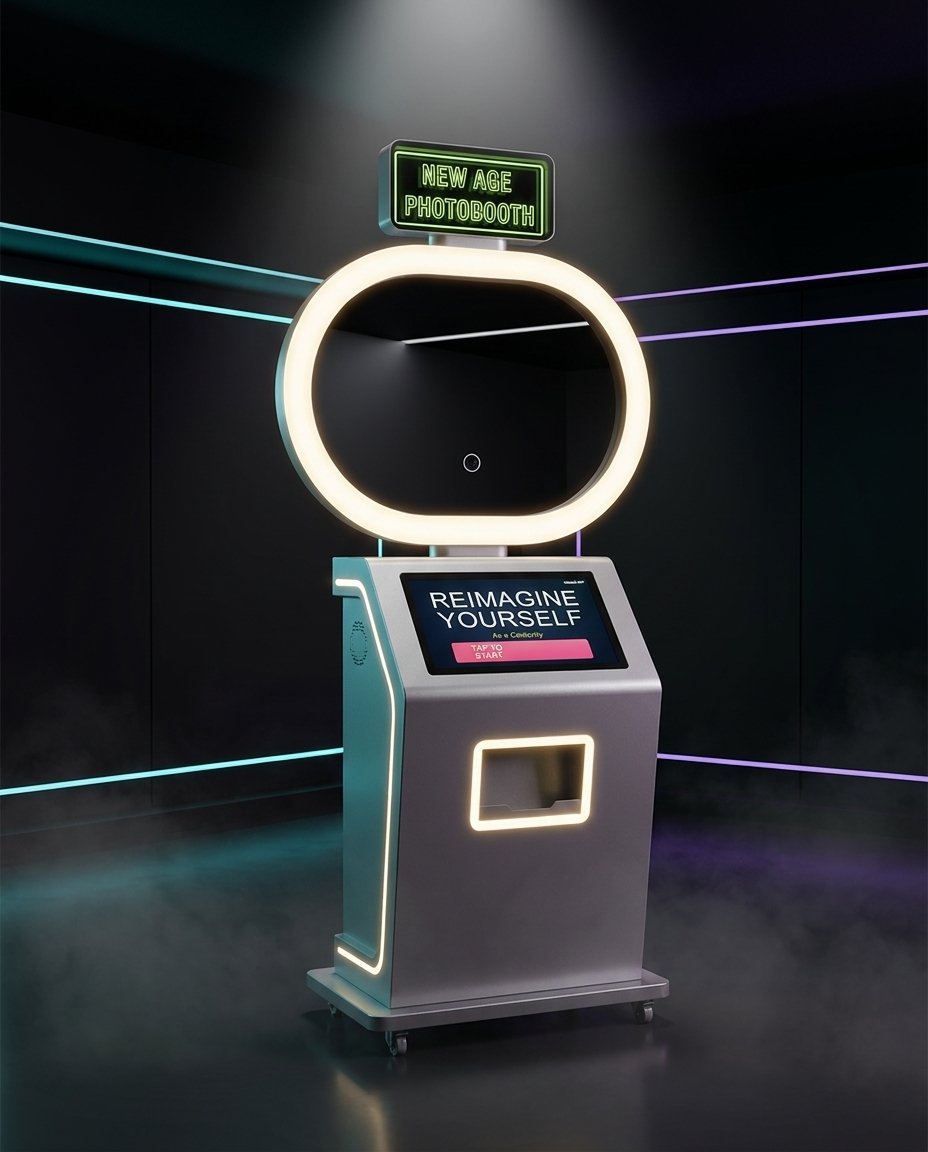
Interactive installations like AI photo booths, arcade game clusters, and activation zones can generate ₹10K–75K/month per spot from common areas that currently earn nothing. Malls don't have to buy the equipment: through the Bamigos Venue Partnership a themed installation is leased at a low upfront cost and billed per use, with maintenance handled by Bamigos.
The hidden revenue in your common areas
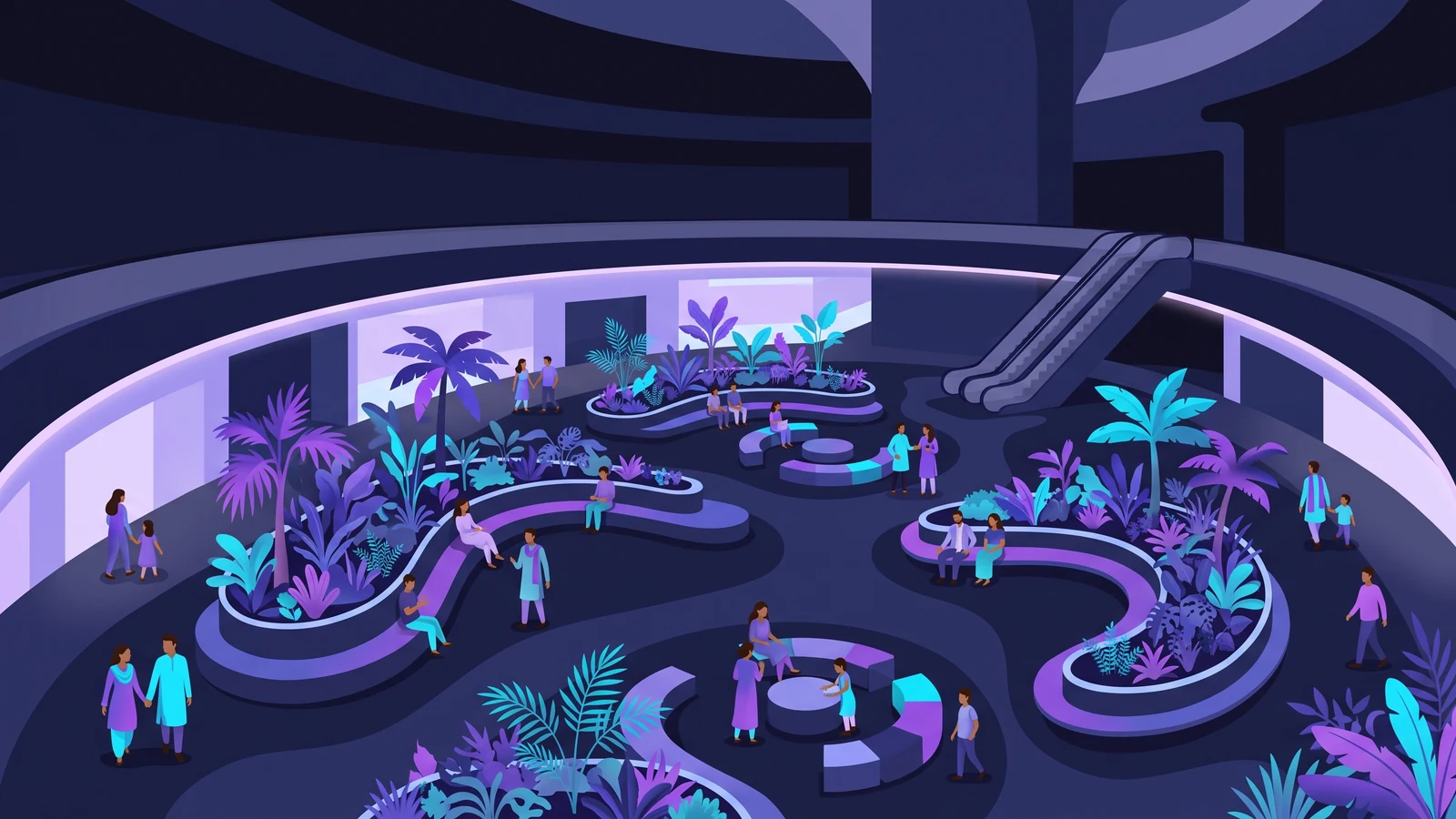
Every mall in India has the same arithmetic problem. Retail tenants pay ₹150–400/sq ft/month (more in tier-1 malls). But common areas — which can account for 25–40% of total floor space — generate ₹0 in direct revenue. They're treated as cost centres: cleaned, air-conditioned, lit, and secured, all at the mall's expense.
This made sense when common areas existed purely as circulation. But the modern Indian mall has evolved. Customers don't just walk through common areas — they linger. They wait for friends. They browse phones while their partner shops. They kill time between a movie and dinner. Families rest. Teenagers hang out.
That lingering is an opportunity. Every minute a customer spends idle in your common area is a minute they could be engaging with — and paying for — an interactive experience.
The malls that have figured this out are already earning ₹2–8 lakh/month from common area installations. The ones that haven't are subsidising empty space.
5 common areas that should be earning
Walk your mall with fresh eyes. These five zones are the highest-potential spots for monetisation:
1. Main atrium
Potential: ₹30K–75K/month with a photo booth or interactive installation
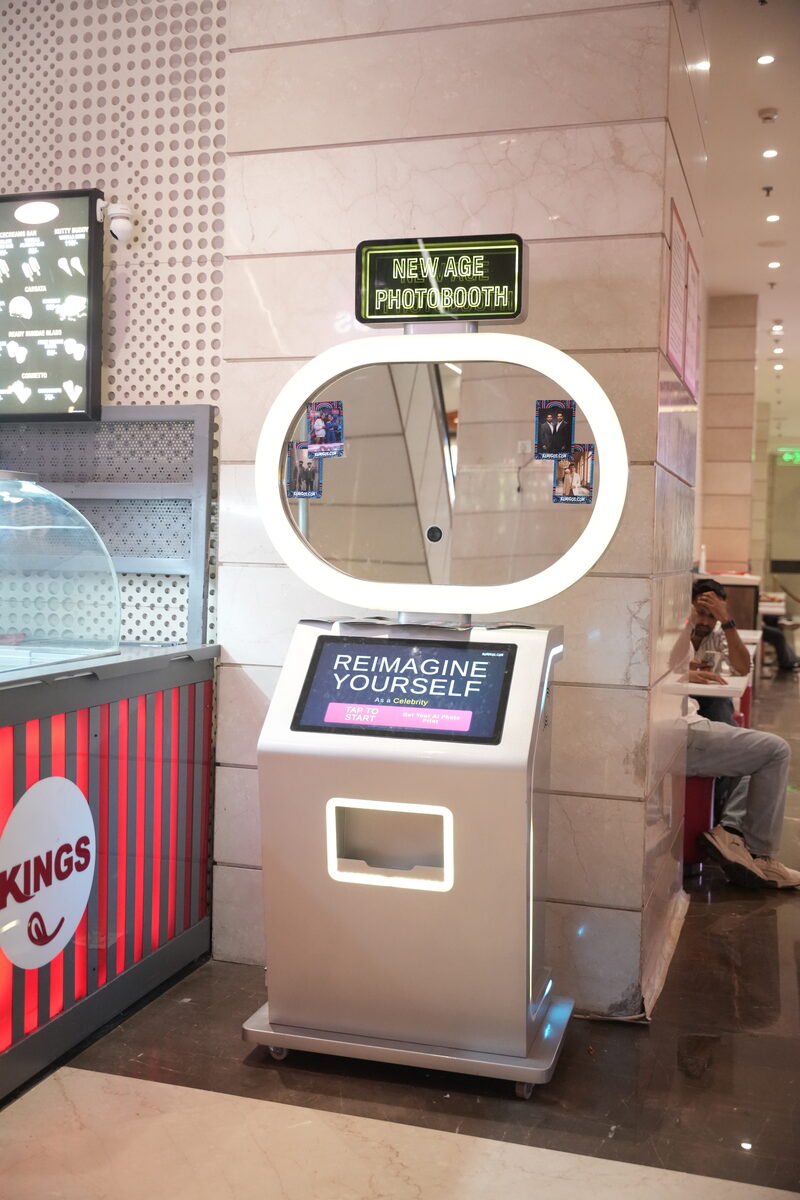
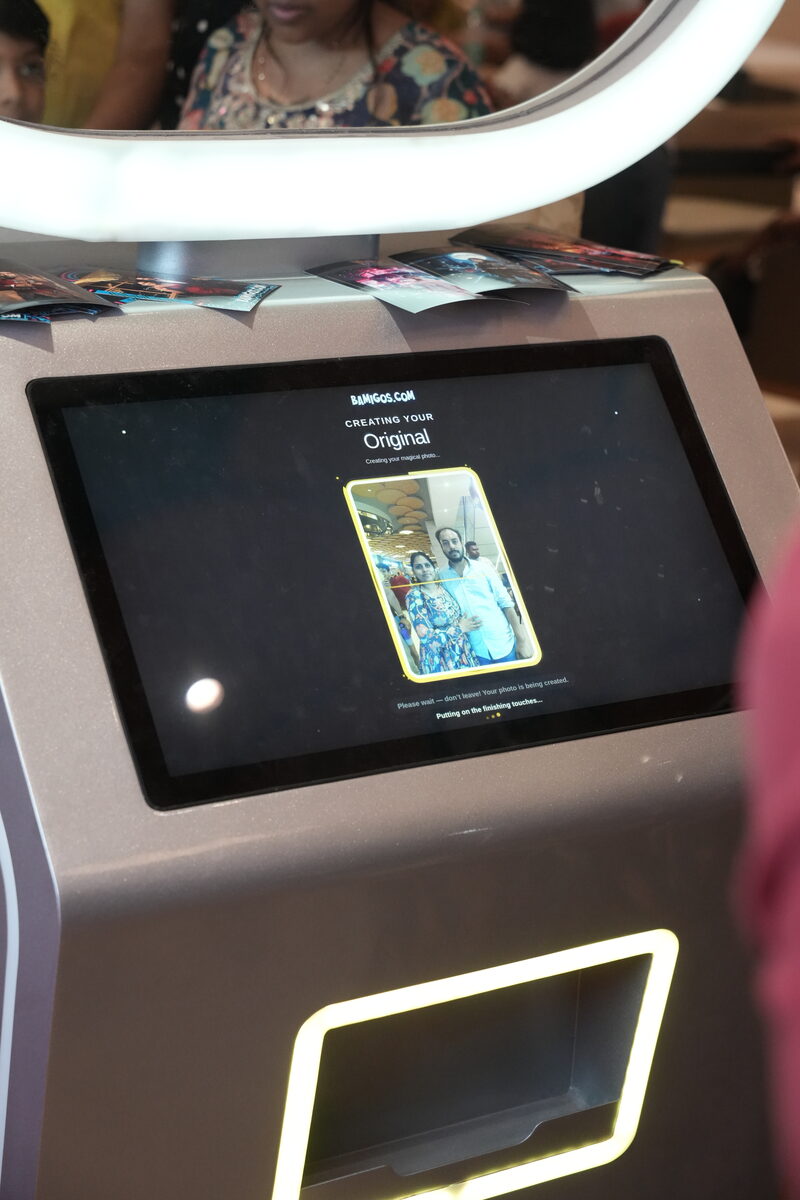
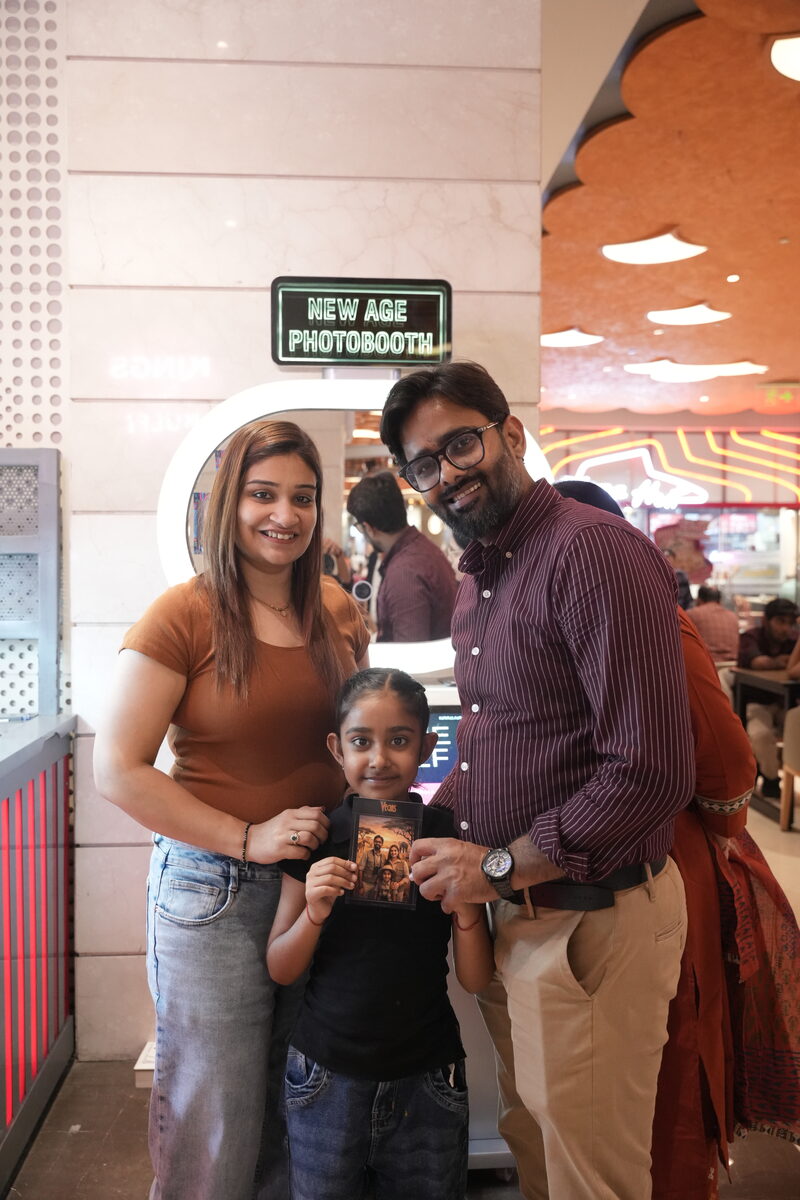
The atrium is your mall's highest-visibility zone. Thousands of visitors pass through daily. An AI photo booth here catches families, couples, and groups at the point of maximum dwell time — when they've just arrived and are deciding where to go, or when they're wrapping up and looking for one more activity. The social media content generated from an atrium photo booth tags your mall in every post.
2. Food court edges
Potential: ₹20K–50K/month
Food courts generate the longest dwell times in any mall — 30–60 minutes per group. The tables along the edges and corners are often the last to fill and the first to empty. Replace 2–3 underused tables with an interactive installation. Customers who've finished eating and are waiting for the rest of their group will use a photo booth or arcade game on impulse. You're converting post-meal idle time into revenue.
3. Corridor between anchor stores
Potential: ₹15K–40K/month
The long corridor connecting anchor tenants (say, Reliance Trends to PVR) sees heavy foot traffic but zero engagement. Customers walk through with their eyes on their phones. A well-placed interactive installation breaks the autopilot — a photo booth, a claw machine cluster, or a gamified kiosk. The corridor becomes a destination, not a transit zone.
4. Escalator landing zones
Potential: ₹10K–30K/month
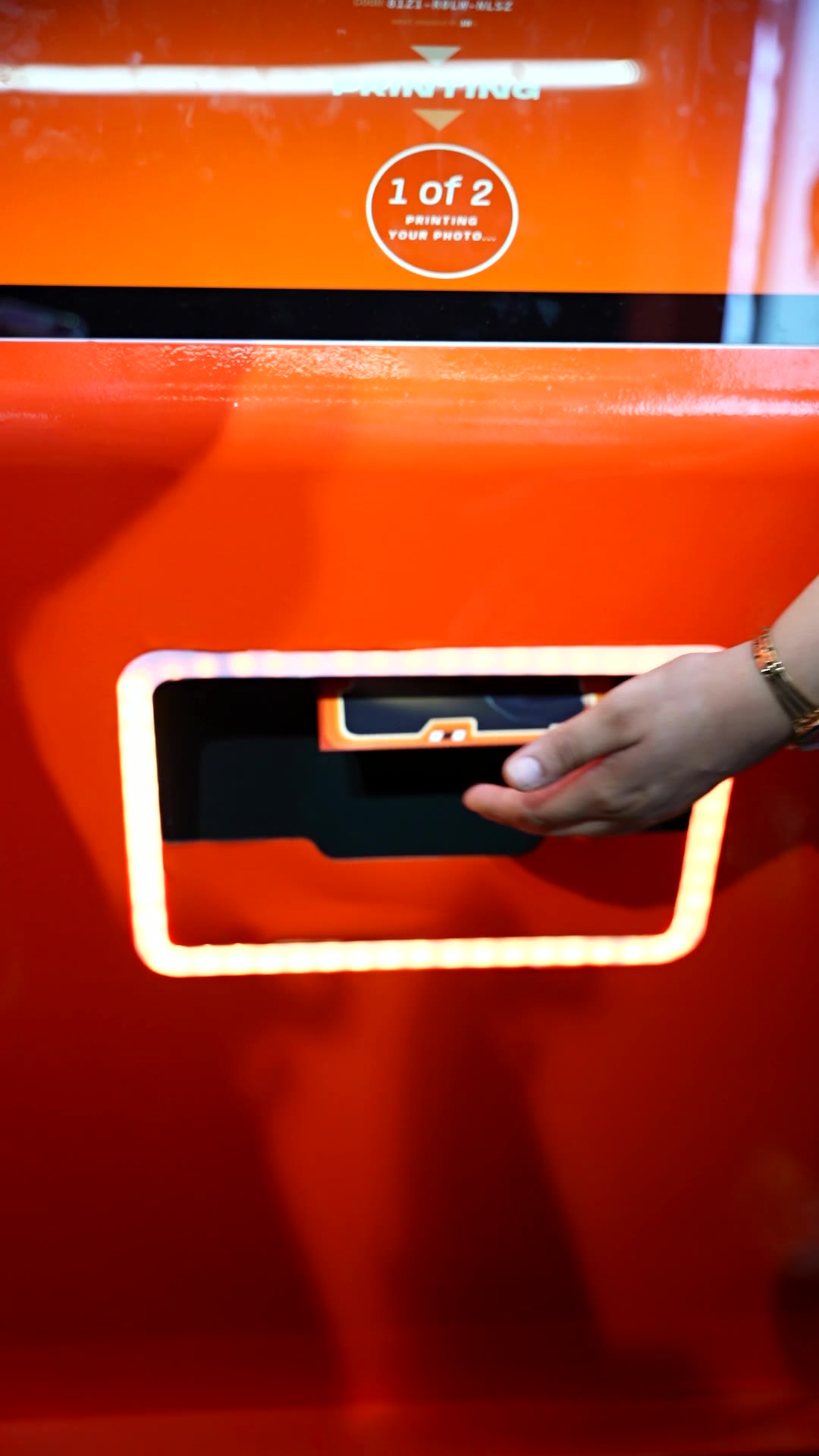
The space at the top and bottom of escalators is awkward for retail (odd shape, constant flow) but perfect for compact installations. Customers arriving on a new floor are in discovery mode — they're looking around, deciding what to do next. A photo booth or arcade game at the landing captures that moment of openness. The 6.3 sq ft footprint of a Pikcha booth fits easily without blocking circulation.
Planning a Gaming Zone?
Get expert recommendations and pricing for your venue: including the Pikcha AI photo booth, a self-service photo attraction to evaluate for your venue. No obligation.
5. Parking level lobbies
Potential: ₹10K–25K/month
The lobby between the parking lift and the mall entrance is pure dead space in most malls — maybe a directory board and a dusty bench. But every single mall visitor passes through it twice (entry and exit). An installation here catches people at both ends of their visit. On exit, families with children are the highest converters — kids spot the booth, parents can't say no.
What to put there — ranked by ROI
Not all installations are equal. Here's how the main options compare on revenue, cost, and operational burden:
| Installation type | Monthly revenue potential | Upfront cost to mall | Operational burden | Social media value |
|---|---|---|---|---|
| AI photo booth | ₹30K–75K/month | Low (lease, pay per use via the Venue Partnership) | None — fully self-service, operator maintains | High — every session generates 367 brand views, mall tagged in posts |
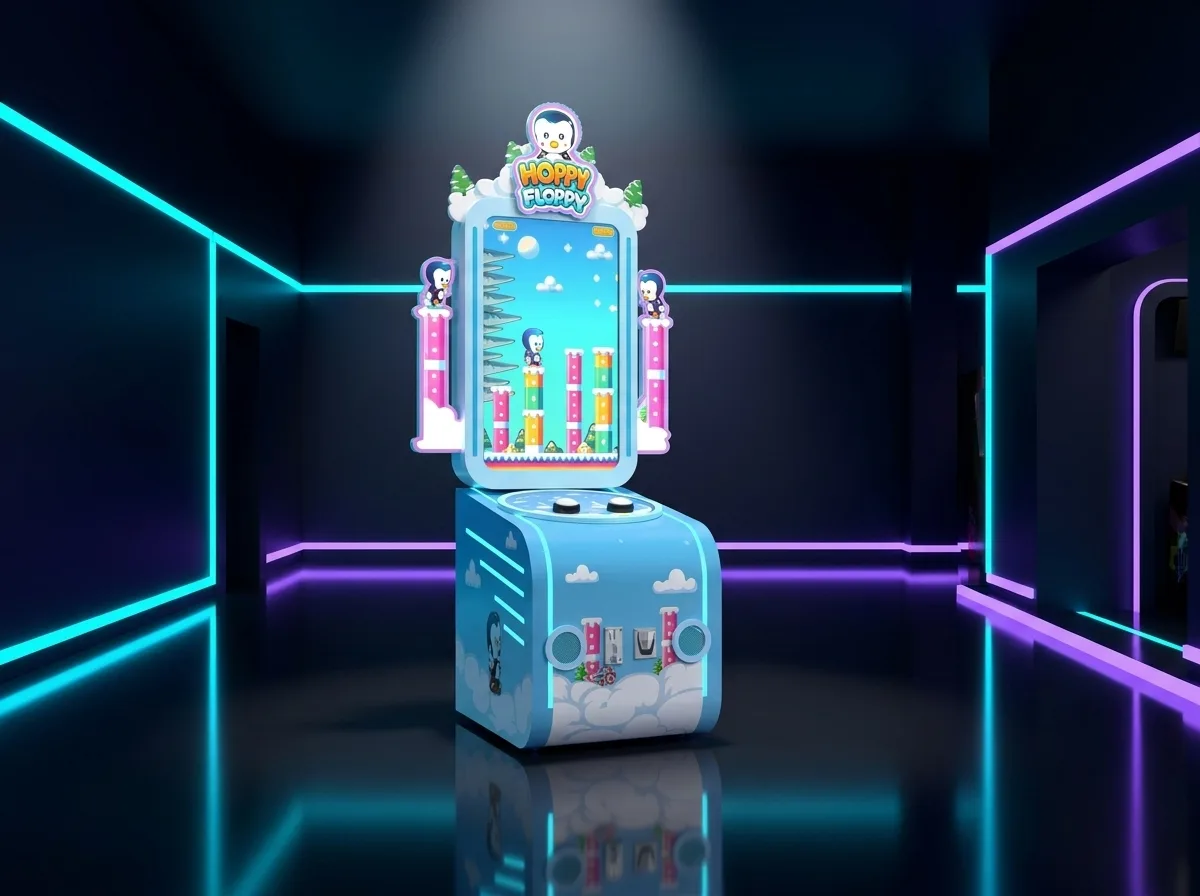
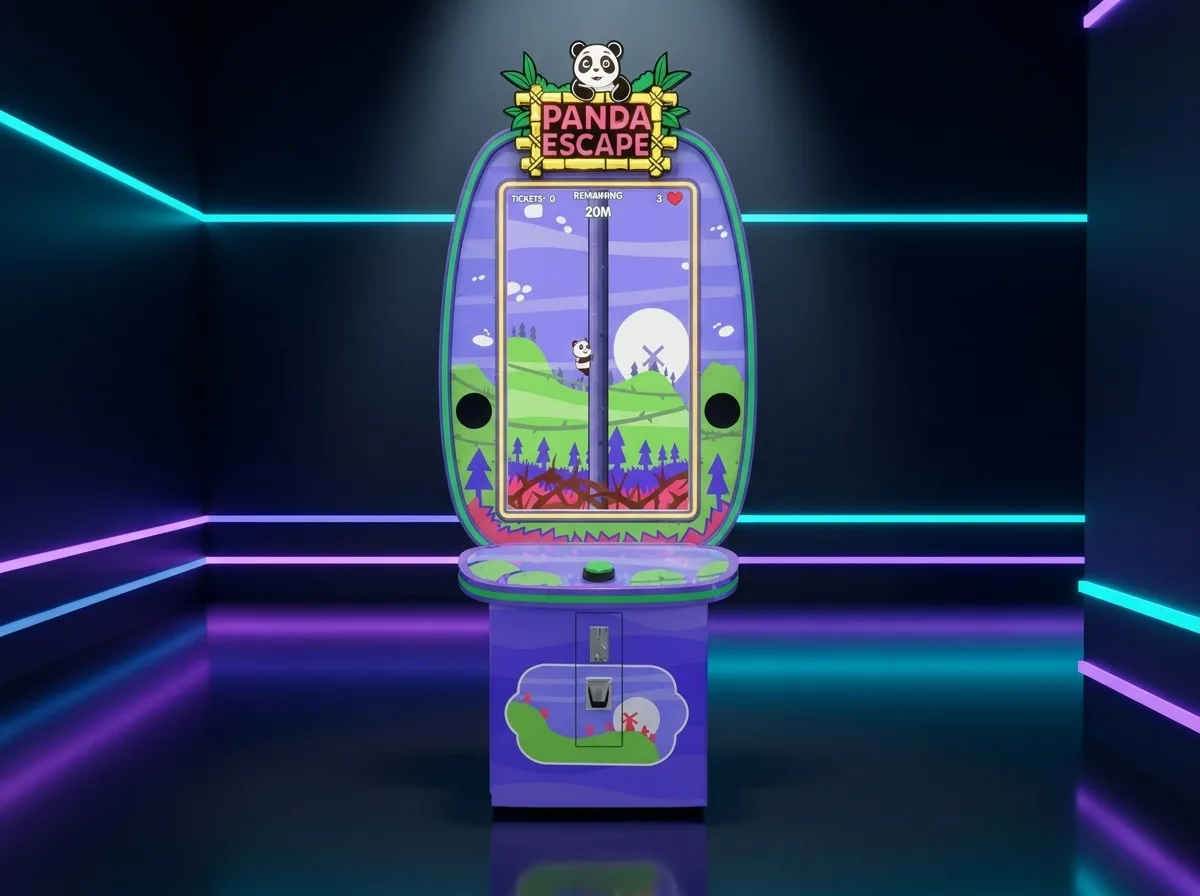
| Arcade game cluster (3–5 machines) | ₹20K–60K/month | Lease (low upfront, pay per use) or ₹5–15L (purchase) | Moderate — coin/token refills, occasional mechanical maintenance | Low — players rarely share arcade sessions on social media |
| Vending machines (snack/beverage) | ₹5K–15K/month | ₹0 (operator-placed) or ₹1–3L (purchase) | Regular restocking needed, expiry management, spill cleanup | None |
| Digital advertising screen | ₹10K–30K/month | ₹1–3L (hardware + software) | Low — content management needed, ad sales effort required | None — passive medium, no customer interaction |
| Activation/pop-up zone | ₹50K–2L per event | ₹0 (brand pays for space) | High — coordination, setup/teardown, scheduling | Variable — depends on the brand and activation quality |
The AI photo booth tops the ranking for three reasons: highest consistent monthly revenue, a low upfront cost when leased, and the social media flywheel that markets the mall for free. Arcade games are a strong second — particularly for family-oriented malls — but require more maintenance. Vending machines and digital screens are low-effort but also low-return. Pop-up activations can be lucrative but are intermittent and require active sales and coordination.
The smart approach: photo booth in the atrium (your highest-traffic, highest-visibility spot), arcade cluster near the food court (captures families and teens), and keep one or two spots open for rotating brand activations at premium rates.
The Venue Partnership for mall operators
The biggest objection mall managers have to common area installations: "I don't want to buy equipment, maintain it, or staff it." You don't have to.
In the Venue Partnership, here's how it works:
- Bamigos.com designs and builds the attraction for the mall. The theme, wraps and frames are designed with your team and built in India by Bamigos.
- The booth runs self-service. Customers pay via UPI (₹149–299 per session). No mall staff involved in operation or cash handling.
- Bamigos maintains the equipment. Paper refills, software updates, hardware maintenance — all handled by us. Your facilities team doesn't touch it.
- The mall leases it and pays per use. A low upfront cost instead of a machine purchase; the exact terms come in a written proposal after a site review.
From the mall manager's perspective, it is a small footprint for a large effect. You provide 6.3 sq ft of common area (which is earning ₹0 today), one power outlet, and Wi-Fi access. In return, you get a footfall magnet and free social media marketing every time a customer shares their photo and tags your mall.
→ See how the Venue Partnership works
Why photo booths outperform other installations in malls
Mall managers who've tried different common area installations consistently report that photo booths outperform other options. Here's why:
- Footfall magnet. A photo booth with a live screen showing AI transformations draws a crowd. People stop to watch, then queue to try it. Arcade games attract a narrower demographic (mostly young males). Vending machines attract nobody. The booth creates visible activity in your common area — and visible activity draws more visitors.
- Social content that tags your mall. Every photo includes the venue branding on the frame. When customers share on Instagram and WhatsApp, they often tag the mall's location or geotag. This is free, ongoing social media marketing — something no other common area installation generates. Each session produces an average of 367 brand views across all channels.
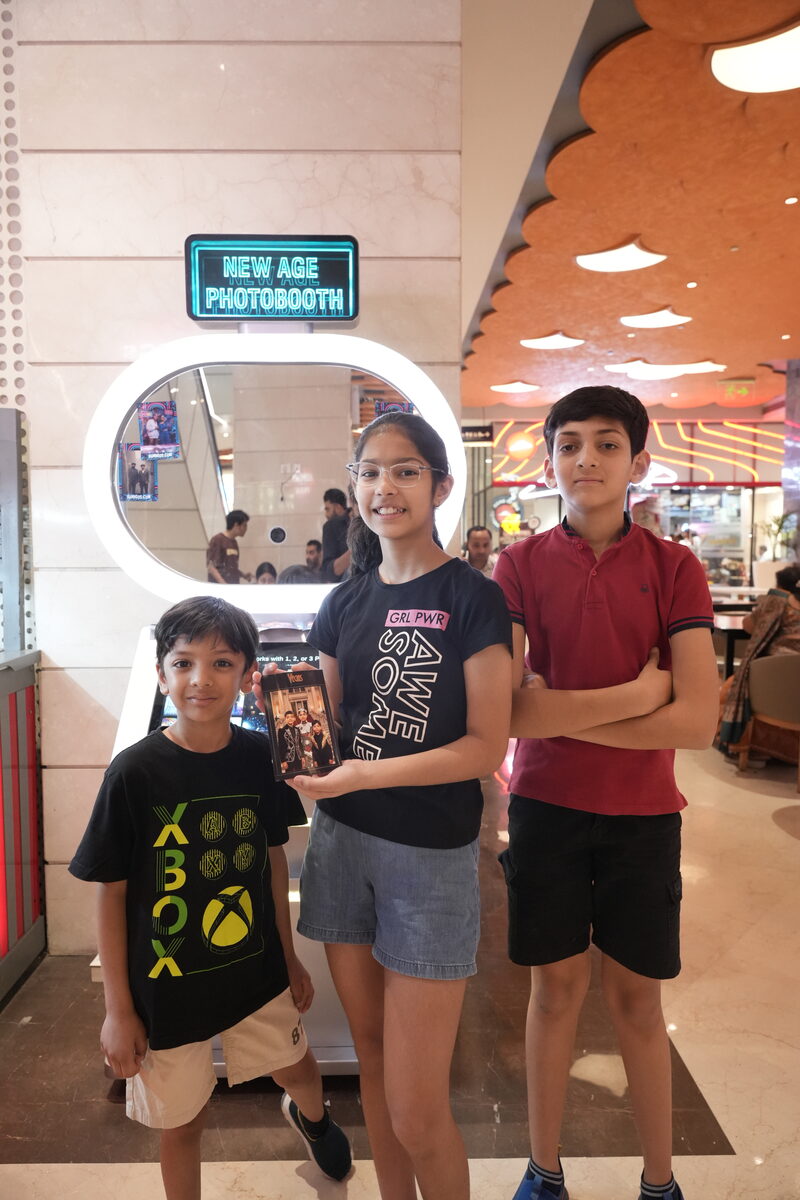
- Families queue = dwell time. When a family encounters a photo booth, they don't just take one photo and leave. Kids want multiple effects. Parents want their own photos. Grandparents get pulled in. A single family can spend 15–20 minutes at the booth, buying 3–5 sessions. That's 15–20 minutes of additional dwell time in your mall — time that often converts into food court visits, impulse shopping, or extended stays.
- No maintenance burden on mall. Unlike arcade games (coin jams, joystick breakdowns, screen damage) or vending machines (restocking, expiry, spills), a photo booth in the revenue-share model is fully maintained by the operator. The Japanese DNP dye-sublimation printer is commercial-grade with very low failure rates. Software updates happen remotely. The mall's facilities team does nothing.
- Revenue consistency. Arcade games have seasonal peaks and troughs. Brand activations are intermittent. A photo booth generates steady daily revenue because the audience refreshes naturally — your mall's daily footfall is its customer base, and new visitors arrive every day.
Turn your common areas into revenue centres
The Venue Partnership means no machine purchase, no maintenance and no staffing. Bamigos.com designs, builds, installs and services the attraction; you lease it at a low upfront cost and pay per use.