Walk through any restaurant, hotel lobby, or mall corridor and you'll find at least one corner doing absolutely nothing. No table, no display, no revenue. Just dead space. This guide helps you find those spots and turn them into ₹15K–75K/month revenue centres.
The ₹0 corner problem
Every venue has dead space. It's the corner near the entrance where customers stand awkwardly while waiting. It's the stretch of corridor between the dining area and the washrooms. It's the section behind a pillar where no one wants to sit.
You're paying rent on that space. You're air-conditioning it. You're lighting it. But it's earning exactly ₹0.
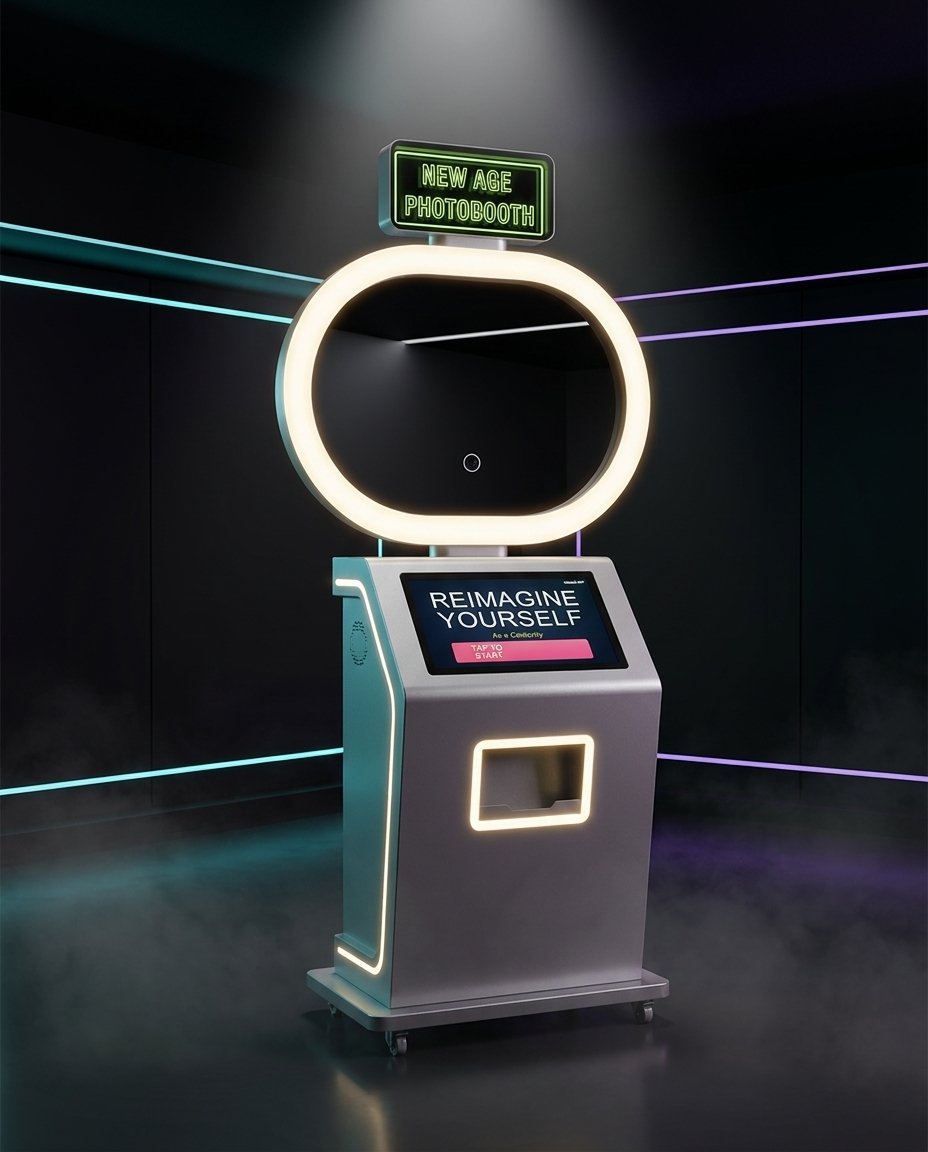
The fix isn't renovation. It's placing something in that space that earns revenue without needing staff, without blocking foot traffic, and without changing your venue's layout. A Pikcha AI Photo Booth, for example, occupies just 6.3 sq ft and can be leased through the Bamigos Venue Partnership at a low upfront cost, paying per use.
Here are the 5 most common dead spaces we see in Indian venues, and why each one is a missed opportunity.
1. The entrance / waiting area
This is the highest-conversion spot in any restaurant or hotel. Customers wait 10–30 minutes on weekends, scrolling their phones, getting restless. Some leave. All of them are bored.
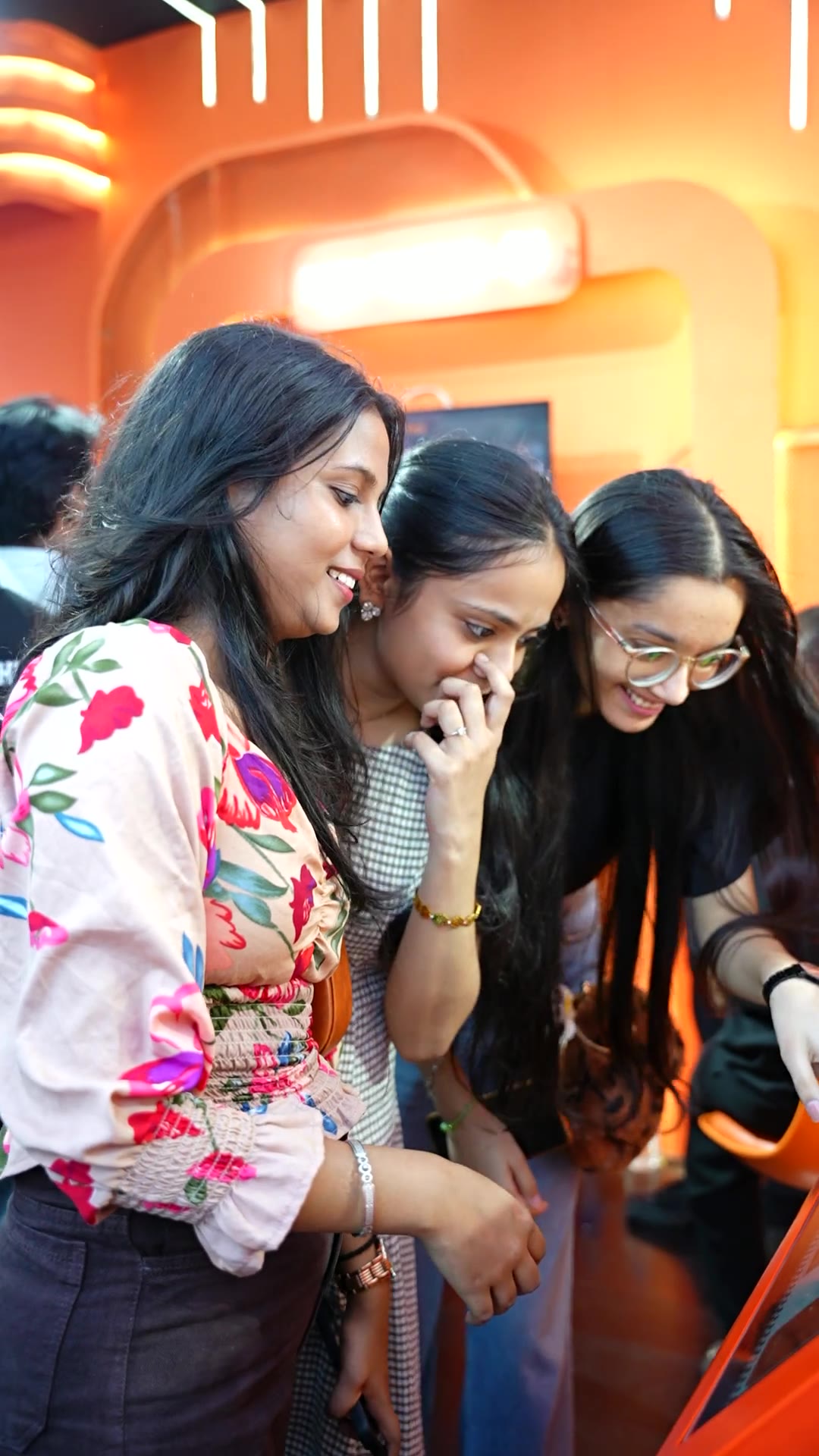
A photo booth in the waiting area converts that dead time into activity. Couples take photos while waiting for their table. Families entertain kids who'd otherwise be running around. Groups of friends get warmed up for the evening.
Why this spot works best:
- Dwell time is high. Customers are stuck waiting — they have 10–30 minutes to fill.
- Mood is positive. They chose to eat out or visit. They're receptive to fun experiences.
- Phones are already out. The sharing behaviour is natural — take a photo, post it, tag the venue.
- Walk-in visibility. New customers see the booth as they enter, creating curiosity and an immediate positive impression.
Venues with a booth in the entrance area consistently report the highest sessions per day across all placement options.
2. The corridor to the washrooms
Everyone walks past this corridor 2–4 times during a visit. It has the highest foot traffic of any non-dining area in your venue. And in most restaurants, it's a blank wall with maybe a fire extinguisher.
This spot works because of repeat exposure. A customer walks past the booth on the way to the washroom, notices it, and thinks "I'll try that on the way back." By the second or third pass, they stop and use it — especially if they've had a drink or two.
The corridor is also ideal because it doesn't compete with dining space. You'd never put a table here. The space is literally a hallway. But a 6.3 sq ft booth fits perfectly against a wall without blocking the path.
3. The dead corner
Behind the pillar. Next to the kitchen door. Near the AC unit. Every venue has at least one corner where customers don't want to sit. You've either left it empty or put a small table there that's always the last to fill and the first to stay vacant.
That reluctant table earns you maybe ₹2K–5K on a good night. A photo booth in the same spot earns ₹5K–15K per night on weekends and ₹500–2K on weekdays. Over a month, that's ₹15K–50K vs ₹8K–20K for the table — and the booth requires zero staff attention.
The pillar or awkward angle that makes the corner bad for dining actually works in the booth's favour. It creates a semi-private nook where customers feel comfortable taking photos without feeling like the whole restaurant is watching.
4. The bar counter end
Most bar counters have a dead stretch at one end — too narrow for a server station, too awkward for seating. Standing drinkers gravitate toward the middle of the bar, leaving the ends unused.
Planning a Gaming Zone?
Get expert recommendations and pricing for your venue: including the Pikcha AI photo booth, a self-service photo attraction to evaluate for your venue. No obligation.
This is an impulse-usage goldmine. Customers standing at the bar with a drink in hand are in the perfect mood for a spontaneous photo. They're socialising, they're relaxed, and they're already spending money. The booth becomes part of the night out experience rather than a separate activity.
Bars and pubs with booth placement near the counter report peak usage between 9 PM and midnight — exactly when the bar is busiest and customers are most likely to use a photo session. Venues typically charge guests ₹149 to ₹299 per session.
5. Outdoor / terrace dead zone
Rooftop corners, garden edges, terrace ends. These are spaces with great views but no functional use — too far from the kitchen for table service, too exposed for comfortable dining during the day, or just oddly shaped.
An AI photo booth on a terrace turns the skyline into a backdrop. Sunset photos, night-city shots, garden selfies — all with AI-powered style transformations that make the output Instagram-ready. This is the placement that generates the most social media shares because the backdrop is naturally photogenic.
Outdoor placement does require a power outlet and basic weather protection (a simple canopy is enough). But the social media marketing value from terrace booth photos often exceeds the direct revenue — every shared photo shows your venue's ambience to hundreds of followers.
What to put there
A photo booth is the #1 recommendation for dead space monetisation because it checks every box:
- Low upfront cost. Leased through the Bamigos Venue Partnership: you pay per use instead of buying the machine.
- Zero staff. Completely self-service. UPI payment, AI photo generation, and instant printing — all automated.
- Small footprint. 6.3 sq ft. Fits in any of the 5 spots described above.
- Revenue + marketing. ₹15K–75K/month in direct revenue. 367 views per print in free social media exposure. ₹128 equivalent ad value per session.
Other options for dead space (lower ROI but worth considering):
- Small vending machine. Mints, gum, energy drinks near the exit. ₹3K–8K/month.
- Digital menu board / advertising screen. Display your specials or sell ad slots to local businesses. ₹2K–10K/month.
- Merchandise display. Branded t-shirts, mugs, tote bags. ₹5K–15K/month if your brand has a following.
The math
Let's compare what 6.3 sq ft earns in each scenario:
| Use of space | Monthly revenue | Staff needed | Upfront cost |
|---|---|---|---|
| Empty corner | ₹0 | None | ₹0 |
| Small table (2-seater) | ₹2K–5K | Shared server | ₹3K–8K (furniture) |
| Vending machine | ₹3K–8K | Restocking | ₹15K–2L |
| Pikcha AI Photo Booth | ₹15K–75K | None (self-service) | Low (leased, pay per use) |
The booth earns 3–15x more than a table from the same floor space, with zero staff cost and no machine to buy. At 40 sessions/day (venues typically charge guests ₹149 to ₹299 per session), the booth also generates ₹1.54 lakhs/month in marketing value from social media shares — advertising your venue to your customers' followers for free.
The question isn't whether your venue has dead space. It does. The question is how long you'll keep paying rent on square footage that earns nothing.
Turn your dead space into a revenue centre
Lease a themed Pikcha AI Photo Booth for your venue at a low upfront cost and pay per use. Pick your best dead spot; we design, install and maintain it.
Apply for a Site Review →