Every restaurant, mall, and entertainment venue in India runs the same playbook: slow week? Run a discount. Footfall dips? Run a bigger discount. But discounts train your customers to wait for deals and erode your margins. There's a better approach — and it costs less than you think.
Yes. 73% of Gen Z and millennials choose restaurants and venues based on Instagram content. A shareable experience creates a flywheel: one customer's post reaches 367 people on average, bringing new visitors who repeat the cycle. Discounts, by contrast, attract deal-seekers with near-zero loyalty and near-zero social sharing.
The discount trap
A 20% discount sounds like a reasonable acquisition cost. But here's what actually happens when you run one:
- You attract deal-hunters, not loyal customers. The person who came for the discount will leave for a bigger discount at the venue next door. Their loyalty is to the deal, not your brand.
- You train your regulars to wait. Once customers know you discount regularly, they stop visiting at full price. Why pay ₹500 today when they can pay ₹400 next Thursday? You've created a Pavlovian response — and it works against you.
- Margins erode permanently. A 20% discount on a ₹1,000 meal costs you ₹200. If you run it weekly, that's ₹8,000–₹15,000/month per table in lost revenue. Across the venue, you're giving away lakhs annually — and getting zero long-term customer retention for it.
- Zero social sharing. Nobody posts "Got 20% off at this restaurant!" on Instagram. Discounts don't generate content. They don't bring friends. They don't create conversations.
The discount playbook made sense in 2015 when Zomato and Swiggy were subsidising everything. In 2026, with input costs rising and aggregator commissions at 25–30%, you can't afford to discount your way to footfall. You need a channel that earns while it markets.
The experience flywheel
Here's what happens when you give customers something worth sharing instead of something cheaper:
- Customer has a shareable moment — a striking AI-transformed photo, an interactive installation, something visually unexpected
- They post it on Instagram/WhatsApp — not because you asked, but because the output is genuinely interesting
- Their followers see it — "Where is this?" "What is this?" "I want to try this"
- New visitors arrive — driven by social proof, not by a coupon code
- New visitors have the same experience — the cycle repeats
This is user-generated content (UGC) marketing, and it's the most effective footfall driver in hospitality today. The data supports this:
- 73% of Gen Z choose restaurants and entertainment venues based on Instagram and social media content (McKinsey consumer survey)
- UGC is trusted 2.4x more than brand-created content by consumers under 35 (Stackla/Nosto research)
- Venues with high UGC volume see 25–40% higher discovery rates on Google Maps and Instagram Explore
The flywheel is self-sustaining. Once it's spinning, your marketing cost per new customer approaches zero — because your existing customers are doing the marketing for you, for free, voluntarily.
The math: discounts vs experiences
Let's compare the two approaches for a mid-traffic venue doing 200–400 visitors per day:
| Factor | 20% discount campaign | AI photo booth (leased, pay per use) |
|---|---|---|
| Cost to venue | ₹200/customer × 30 redemptions/day = ₹1,80,000/month lost margin | Low upfront cost, billed per use (Venue Partnership) |
| Social media posts generated | Near zero — nobody shares a discount | 30–80 posts/day from customers sharing AI photos |
| New customers from sharing | Zero — discount doesn't travel socially | Each post reaches avg. 367 people — measurable new footfall within weeks |
| Customer loyalty | Returns only with more discounts | Returns for new AI effects (updated quarterly) |
| Revenue impact | Negative — you're giving money away | Positive — booth earns ₹149–299 per session |
| Brand perception | "Cheap place that's always on sale" | "Fun place with cool tech — have you seen their photo booth?" |
The discount costs you money and generates zero social content. The experience is leased at a low upfront cost and generates dozens of social posts daily. One drains your P&L. The other adds to it.
367 brand views from one photo — here's the breakdown
Every Pikcha AI photo booth session produces a high-quality AI-transformed image that the customer receives as both a physical print and a digital copy via WhatsApp. Here's where those 367 views come from:
| Channel | Views per session | How |
|---|---|---|
| WhatsApp status/forwards | ~30 | Customer shares to close contacts and status. Average WhatsApp status gets 30 views. |
| Instagram/Facebook stories | ~45 | Story reaches followers. Average Indian user with 300–500 followers gets 10–15% story views. |
| Instagram/Facebook feed post | ~4 | Not everyone posts to feed, but those who do get higher engagement and longer shelf life. |
| Physical print (displayed/shown) | ~270 | The print goes on a fridge, desk, or wall. Family, friends, and visitors see it over weeks and months. |
| In-venue visibility | ~18 | Other customers see someone using the booth, watch the transformation, ask about it. |
Total: ~367 brand impressions per session.
At current digital advertising rates, those impressions have an equivalent ad value of ₹128 per print. A venue doing 40 sessions/day generates ₹1.54 lakh/month in equivalent marketing value — marketing that the customers create and distribute themselves.
Compare that to what you'd pay for the same reach on Meta or Google Ads. At ₹3–5 CPM, 367 impressions cost ₹1–2 in paid media. Sounds cheap per session — but paid impressions are passive (someone scrolling past your ad), while a shared photo from a friend is active social proof. The conversion rate on a friend's Instagram post ("Where is this?") is orders of magnitude higher than a display ad.
The cheapest Instagram moment you can create
Venues spend enormous amounts trying to be "Instagrammable":
- Interior redesign: Neon signs, flower walls, mural commissions — ₹2–10L+ and they get stale in 6 months
- Influencer partnerships: ₹10K–1L per post, reach decays in 24 hours, zero repeat value
- Themed events: ₹50K–3L per event, one-night spike, back to baseline by Tuesday
- Photo corners/props: ₹10K–50K setup, looks dated fast, no revenue
Planning a Gaming Zone?
Get expert recommendations and pricing for your venue: including the Pikcha AI photo booth, a self-service photo attraction to evaluate for your venue. No obligation.
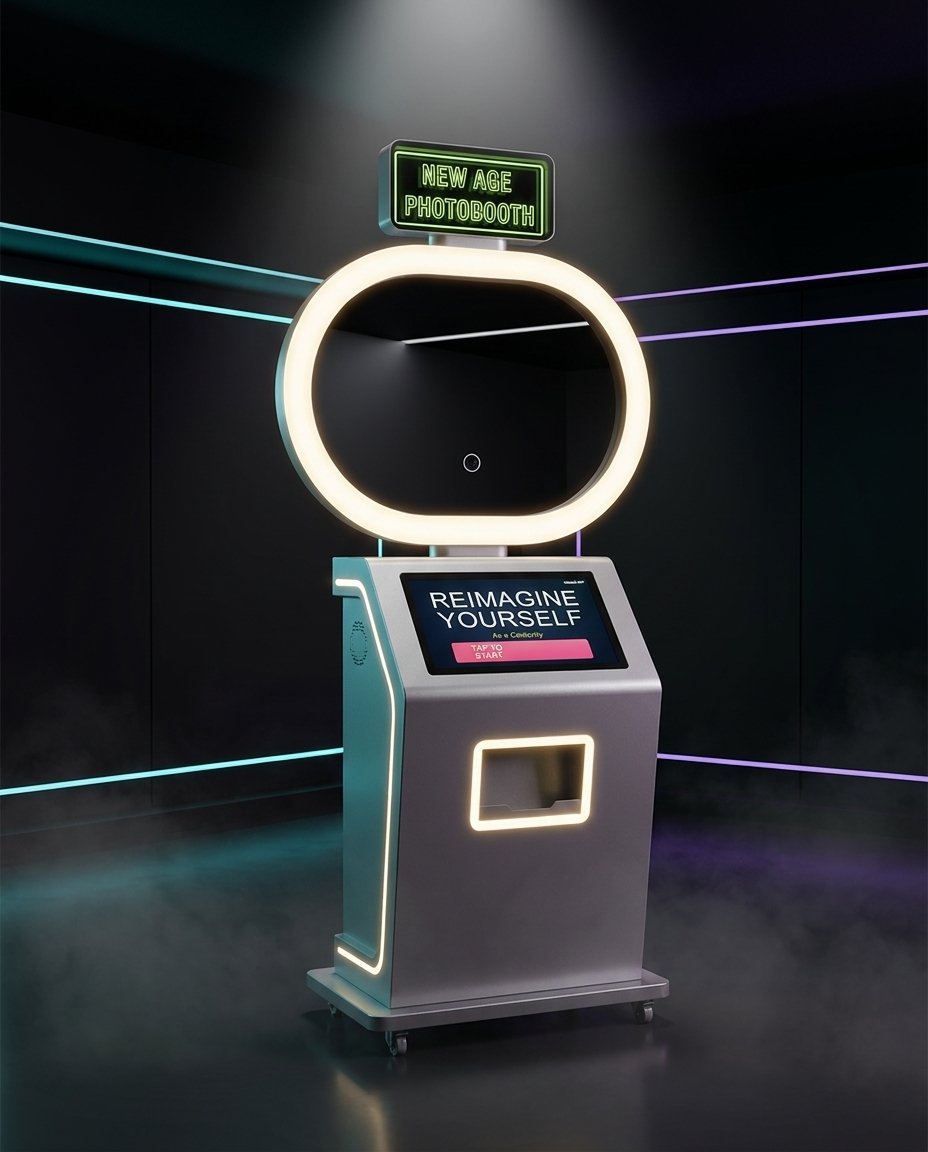
An AI photo booth leased through the Bamigos Venue Partnership costs the venue a low upfront amount, then pay per use. No decoration budget. No influencer fees. No event planning. The booth sits in 6.3 sq ft of space, runs self-service on UPI payments, and generates Instagram-worthy content every single session — not just on launch day, not just during an event, but every day, all day.
And unlike a neon sign that gets photographed once, the AI effects update quarterly. Customers come back to try new styles — Bollywood poster this month, K-pop 4-cut next month, vintage film grain after that. The booth stays fresh without you lifting a finger.
The Venue Partnership works because Bamigos.com designs the theme with the venue, builds the booth in India, installs it and maintains it, while the venue leases it at a low upfront cost and pays per use. The venue gets a marketing machine in space that was earning ₹0.
→ See how the Venue Partnership works for your venue
What the AI transformation actually looks like
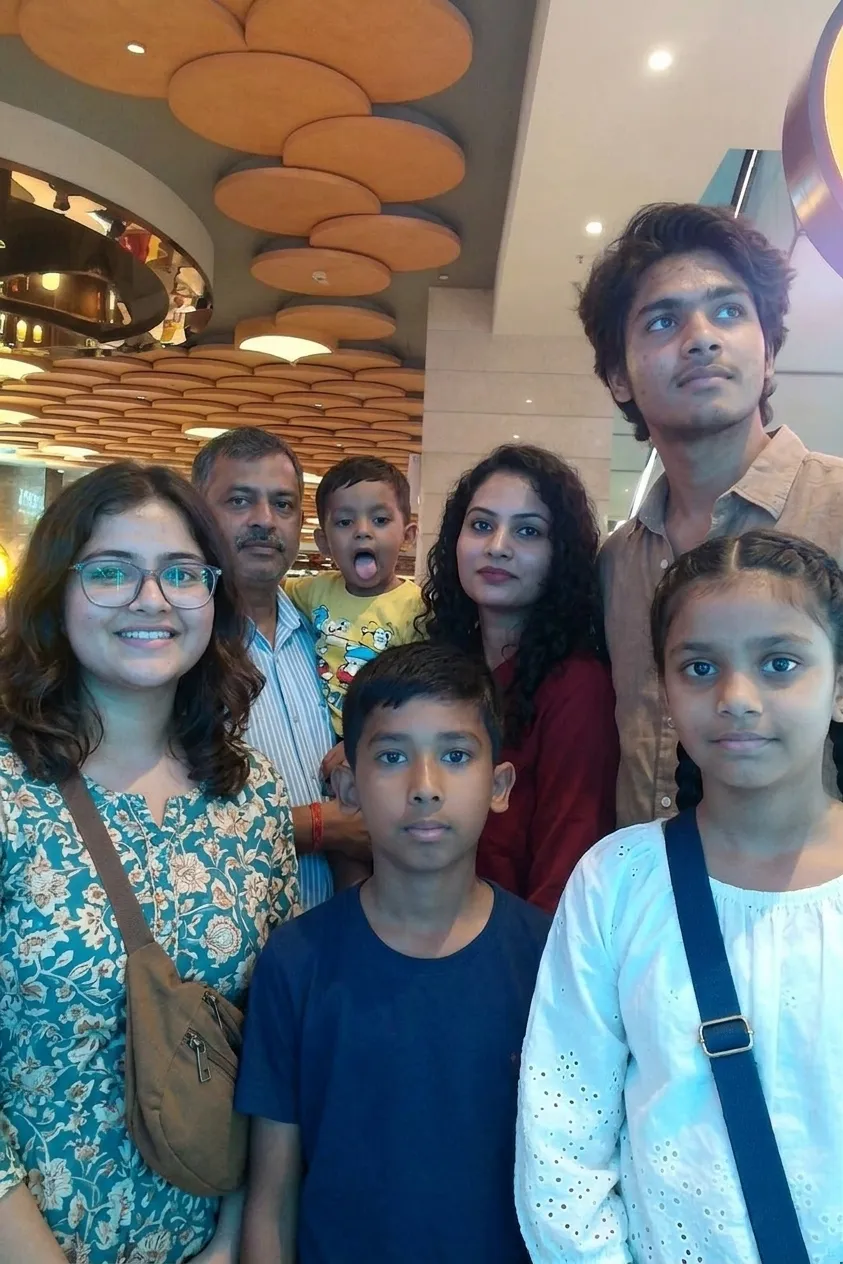
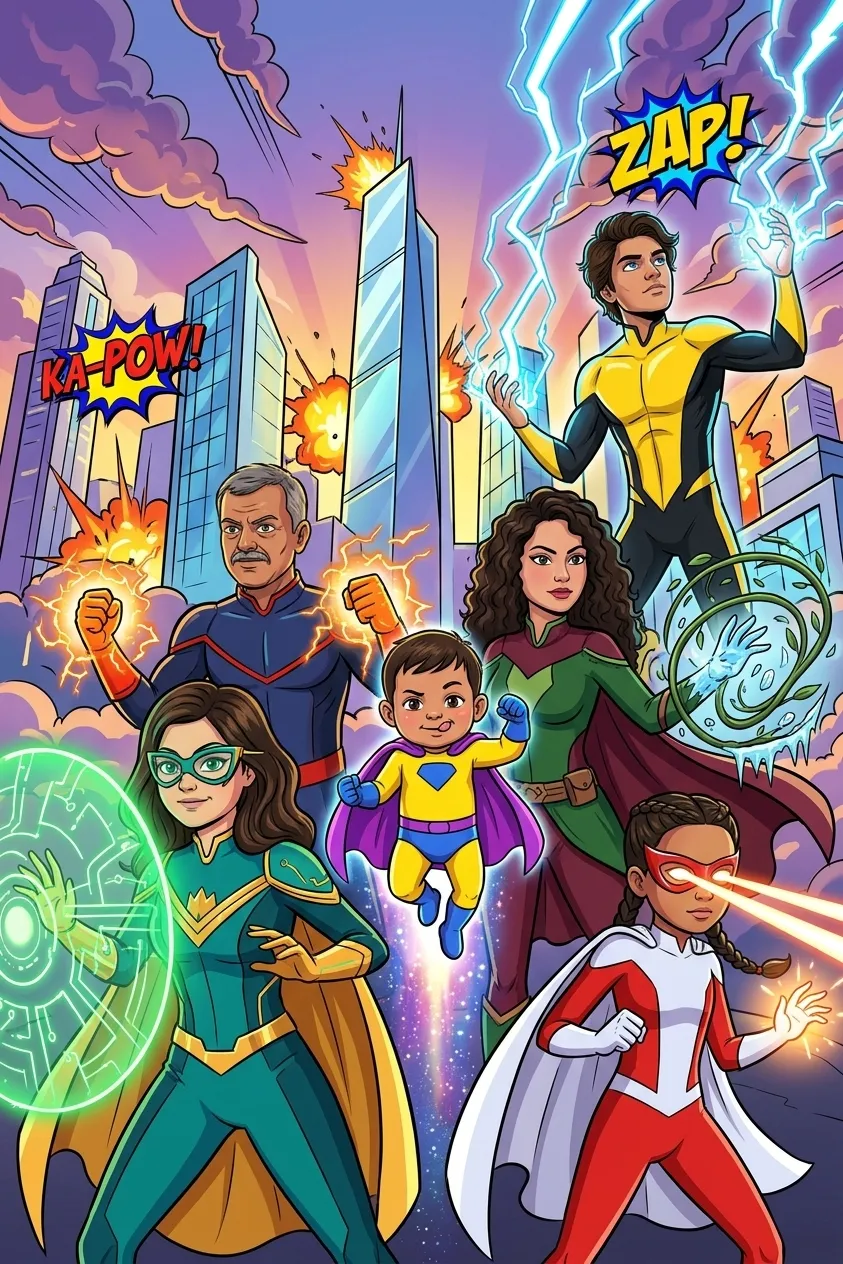
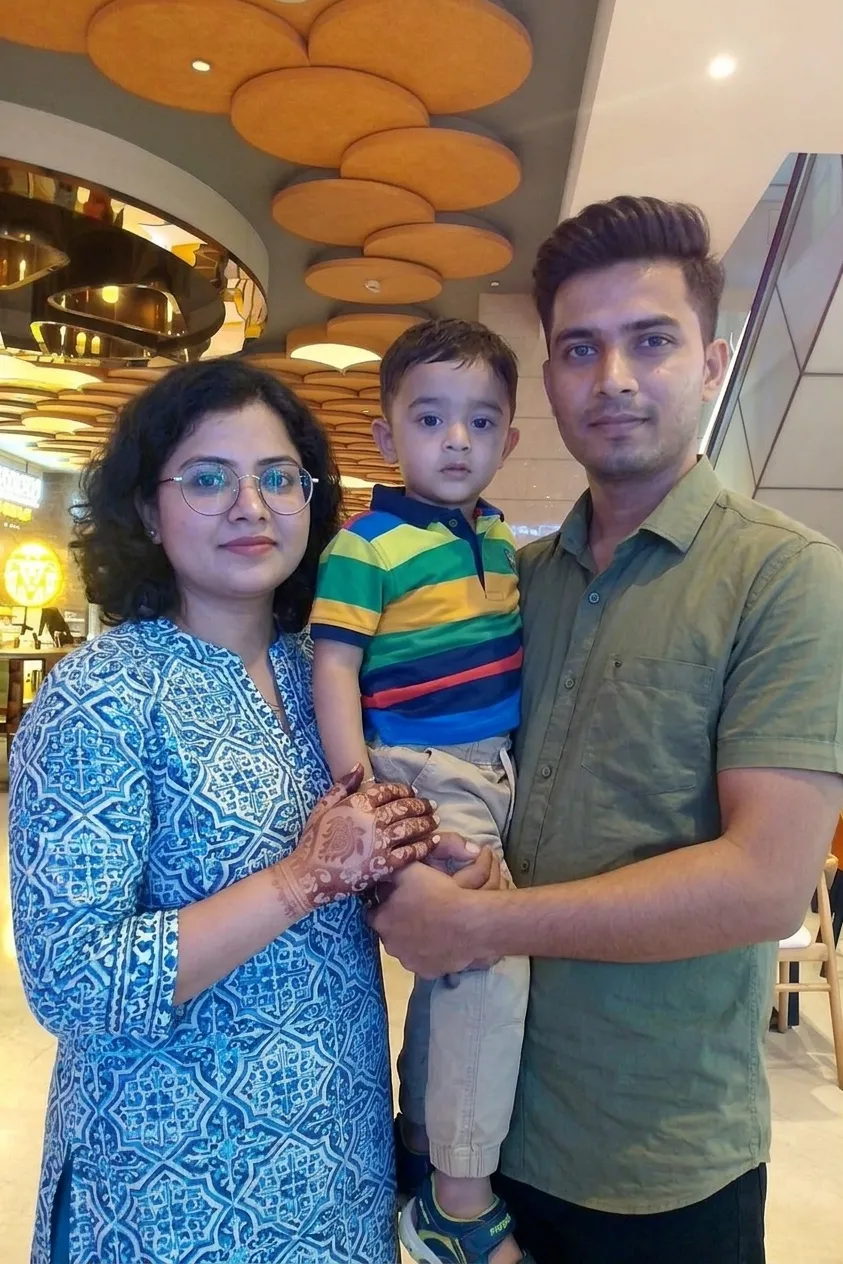
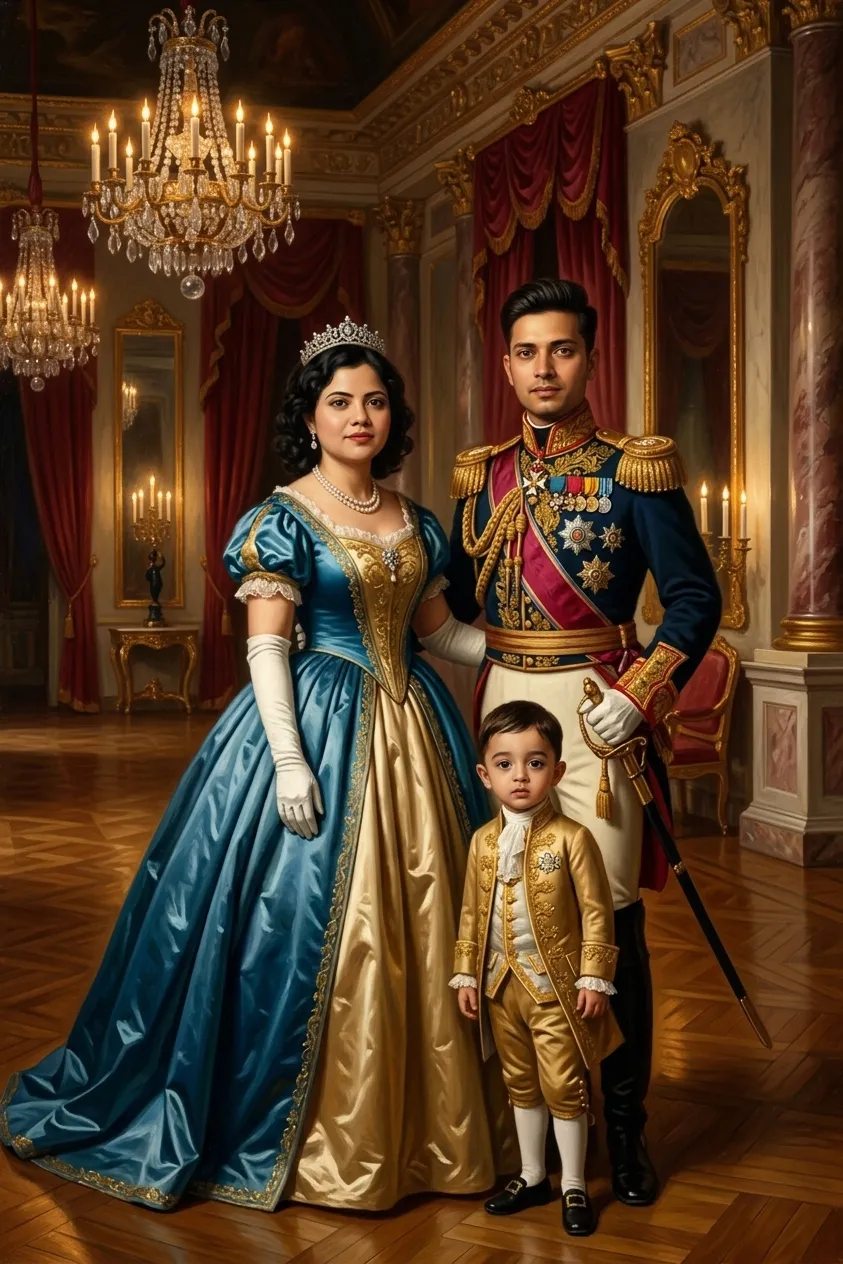
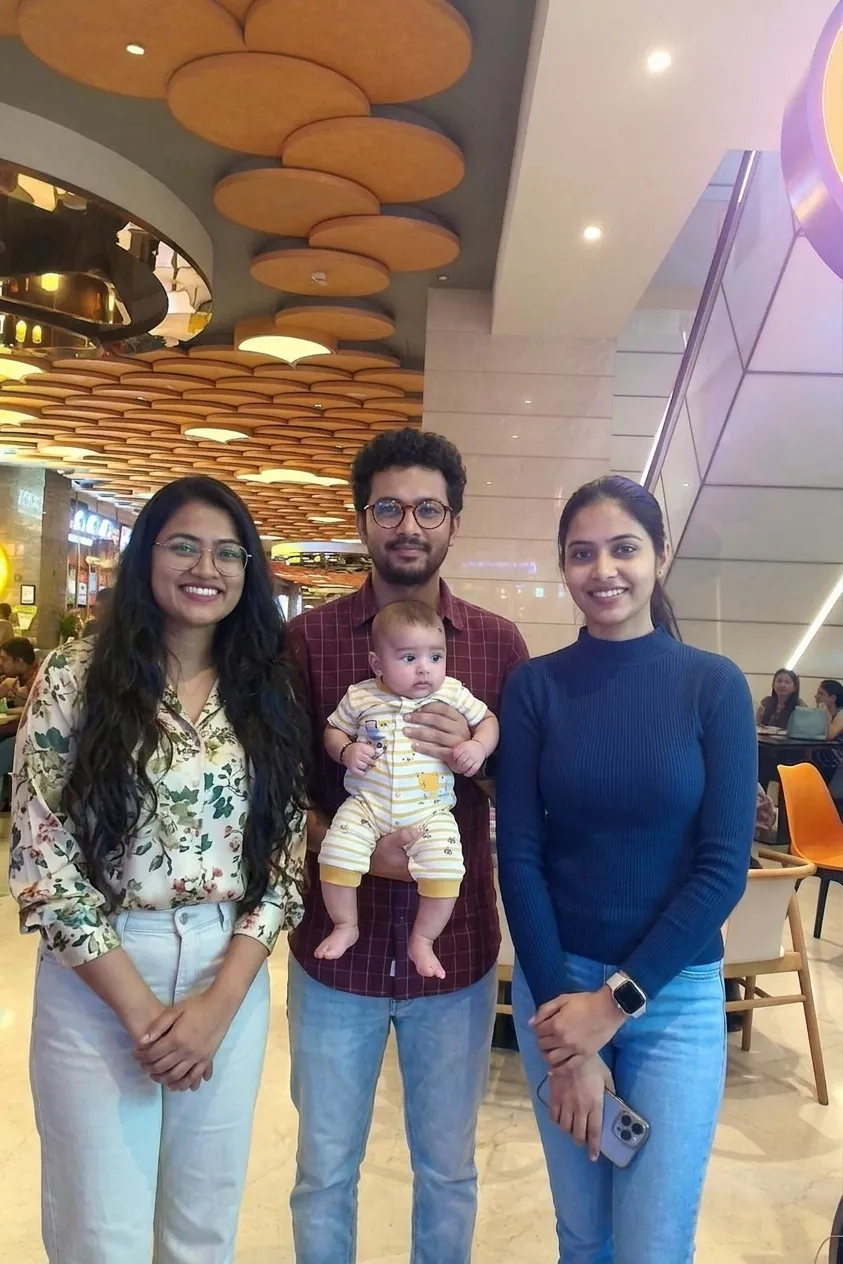
The reason customers share these photos — and the reason the flywheel works — is that the AI output is genuinely striking. This isn't a basic filter. The booth captures a photo and transforms it into a completely new artistic style in 15–20 seconds. The result looks like a professional portrait, illustration, or cinematic still — something the customer couldn't create with their phone.
Here are real before/after pairs from actual Pikcha sessions:
Before
After — AI transformed
Before
After — AI transformed
Before
After — AI transformed
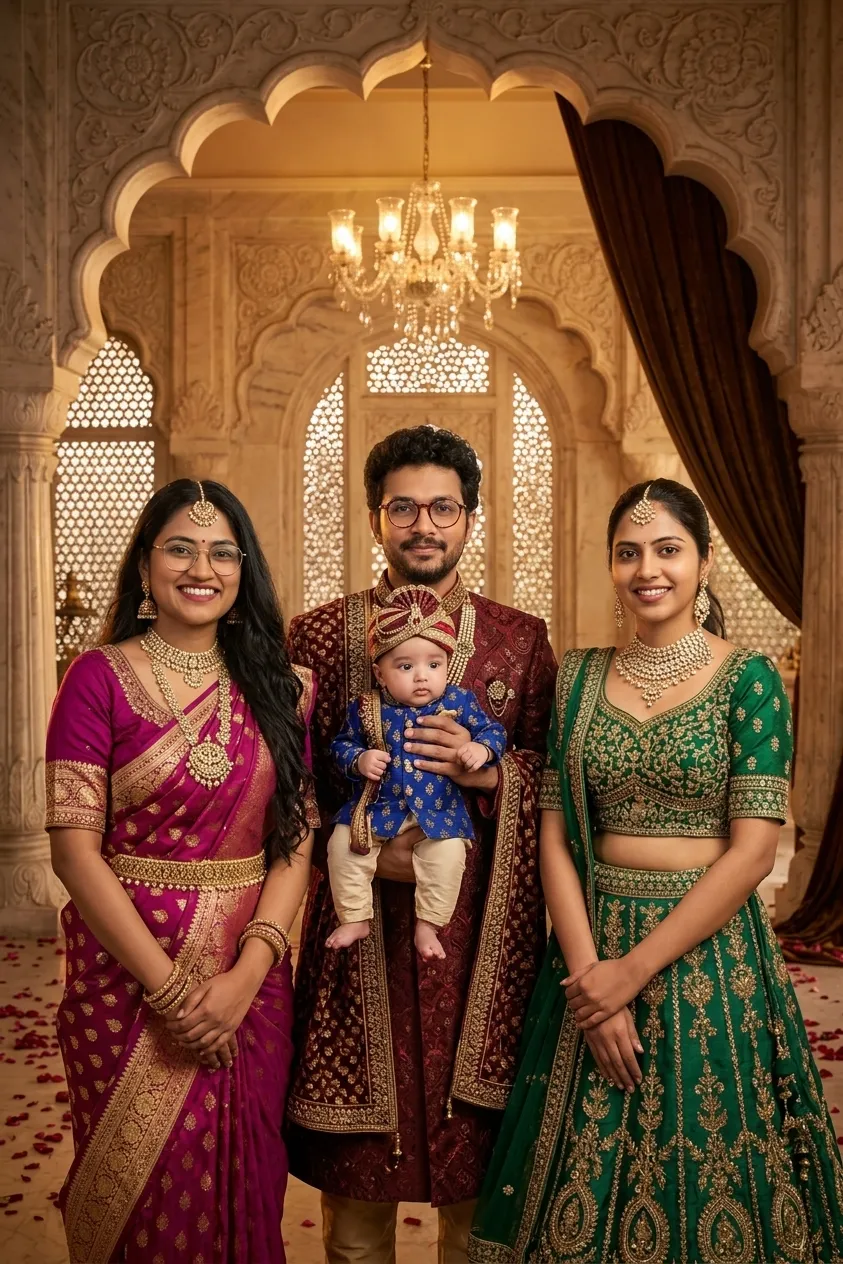
Every print carries the venue's branding on the frame. Every digital copy goes out via WhatsApp with the venue's name. The customer becomes a brand ambassador — not because you paid them, but because the photo is good enough that they want to share it.
Stop discounting. Start creating moments.
The Venue Partnership means you can add a themed AI photo booth to your venue at a low upfront cost and pay per use. No equipment purchase, and maintenance is handled by Bamigos.