Prices in this guide are typical Indian market ranges, not Bamigos quotes. Ask us for yours.
Quick summary: A VR gaming zone in India needs ₹15 lakh to ₹2 crore of capex depending on size — from a single-station mall kiosk (₹15–25 lakh) to a multi-bay flagship VR arena (₹1–2 crore). Margins land in the 25–40% range with payback typically in 18–30 months. Equipment is the bulk of cost (60–70%), followed by venue setup (15–20%) and software licensing (5–10%). This guide walks through every cost line with real ranges, plus what to skip if you're starting small.
Buying VR? See our guide to commercial VR gaming machines.
How much does it cost to start a VR gaming zone in India?
Starting a VR gaming zone in India costs between ₹15 lakh and ₹2 crore depending on size and format. A small mall kiosk (1–2 stations, 100–250 sq ft) starts around ₹15–25 lakh. A mid-size VR zone (4–6 stations, 600–1,200 sq ft) needs ₹40–80 lakh. A flagship VR arena with multi-player free-roam, racing simulators, and premium attractions (8–15 stations, 2,500+ sq ft) runs ₹1–2 crore. Equipment is 60–70% of capex; venue setup is 15–20%. Most operators recover investment in 18–30 months at 25–40% EBITDA margins.
VR gaming zone formats in India
Indian operators run VR zones in three main formats, each with different capex, footfall expectations, and operations.
Mall kiosk format
One or two VR stations on a 100–250 sq ft footprint, typically inside a tier-1 mall food court or entertainment zone. Capital range: ₹15–25 lakh. Revenue share with the mall is usually 18–25% of gross or a fixed rental of ₹40–80K/month. Best for first-time operators because the mall provides footfall and you avoid full-venue overhead.
Mid-size VR zone
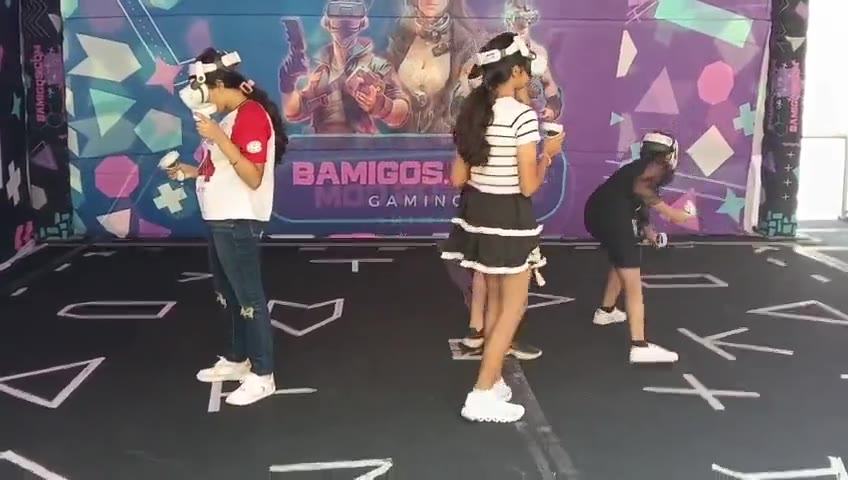
Four to six stations on a 600–1,200 sq ft layout. Capital range: ₹40–80 lakh. Mix of single-headset stations + one or two racing simulators + a gun-controlled FPS rig. Margins improve over kiosk format because fixed costs amortise across more sessions. Typical setup time: 60–90 days from order.
Flagship VR arena
Eight to fifteen stations plus free-roam multiplayer infrastructure on 2,500+ sq ft. Capital range: ₹1–2 crore. Includes premium attractions like motion platforms, VR egg chairs, and warehouse-scale free-roam tracking. Targets destination footfall and corporate group bookings. Highest absolute revenue but longest payback (typically 24–30 months) and full team required.
Setup cost breakdown by tier
Capital allocation looks similar across formats — equipment dominates, venue setup is second, software and operating capital fill the rest.
| Cost line | Mall kiosk | Mid-size zone | Flagship arena |
|---|---|---|---|
| Equipment (VR rigs, headsets, controllers) | ₹10–17 lakh | ₹28–55 lakh | ₹70 lakh – ₹1.4 Cr |
| Venue setup (interiors, electrical, network, safety) | ₹2.5–4 lakh | ₹6–14 lakh | ₹15–35 lakh |
| Software licensing + content library | ₹1–2 lakh | ₹3–6 lakh | ₹8–15 lakh |
| Marketing + branding + signage | ₹1–2 lakh | ₹2–5 lakh | ₹5–10 lakh |
| Working capital (3 months) | ₹0.5–1 lakh | ₹2–4 lakh | ₹6–12 lakh |
| Total capex range | ₹15–25 lakh | ₹40–80 lakh | ₹1–2 crore |
Note on imported vs Indian equipment: imported VR headsets and rigs carry 20–30% in customs duty plus freight. Replacement cycles are 18–24 months for headsets in commercial use, so spare-parts logistics matters as much as upfront price. Indian-supplied systems (including those from Bamigos) ship with domestic GST invoice and faster spare parts.
VR equipment list by category
Single-headset VR stations
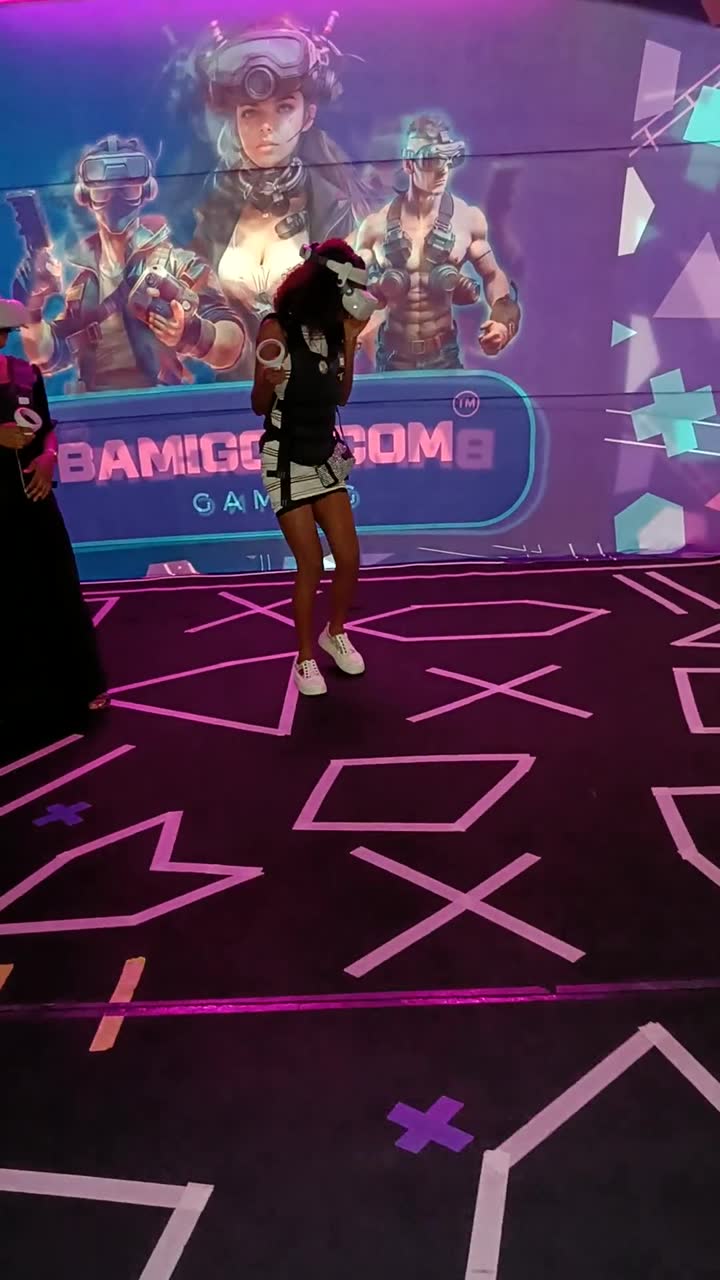
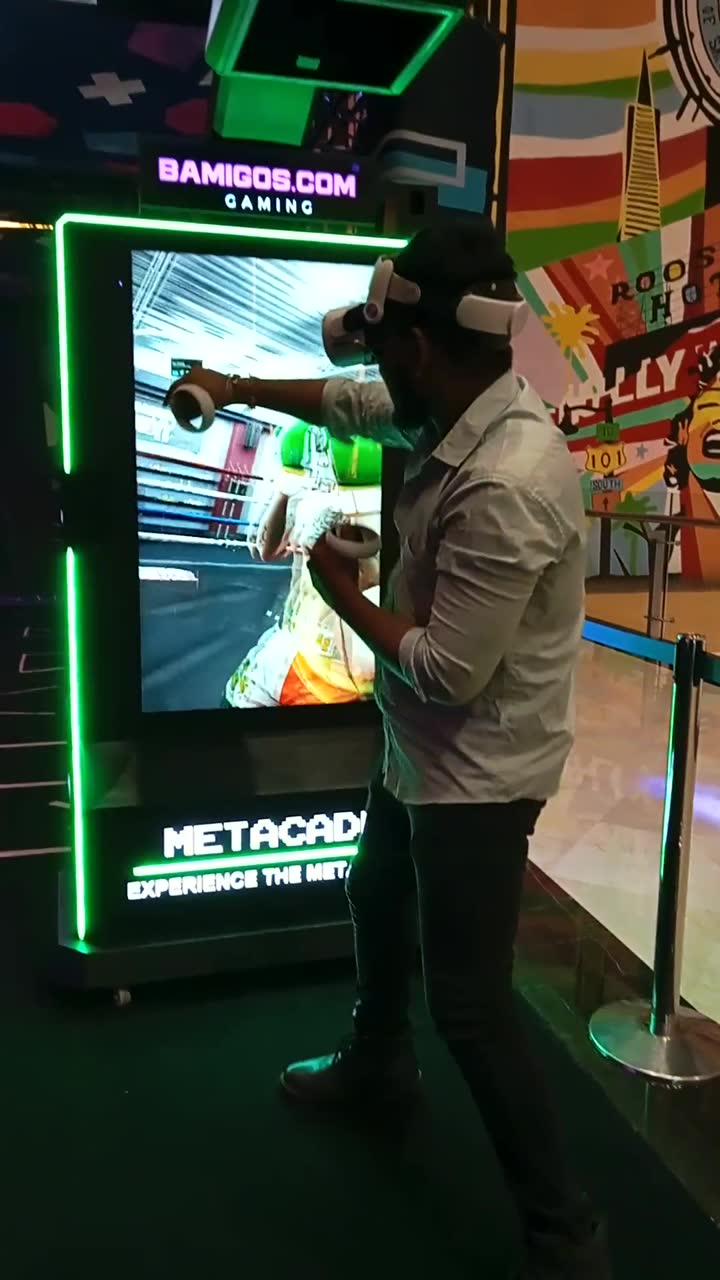
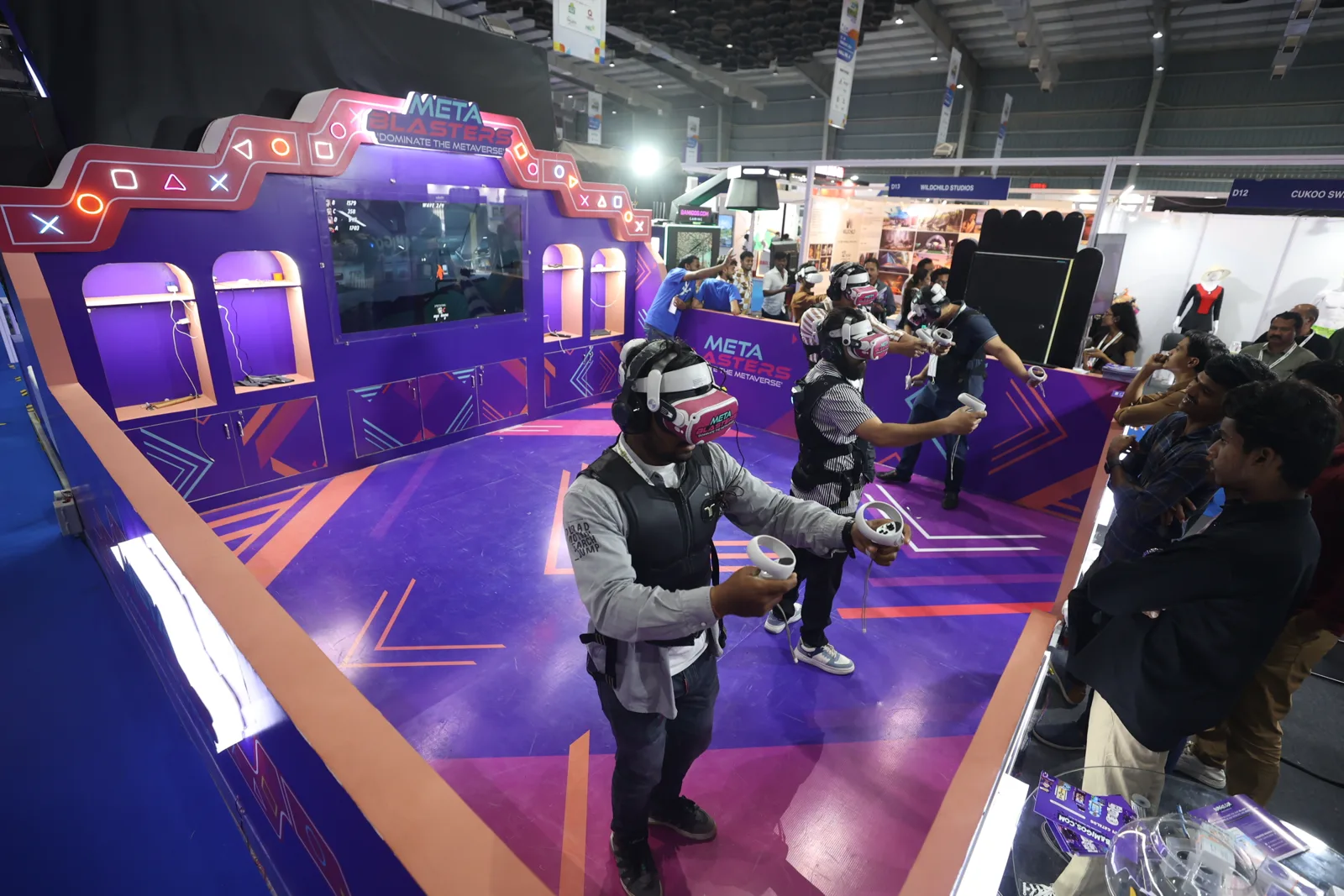
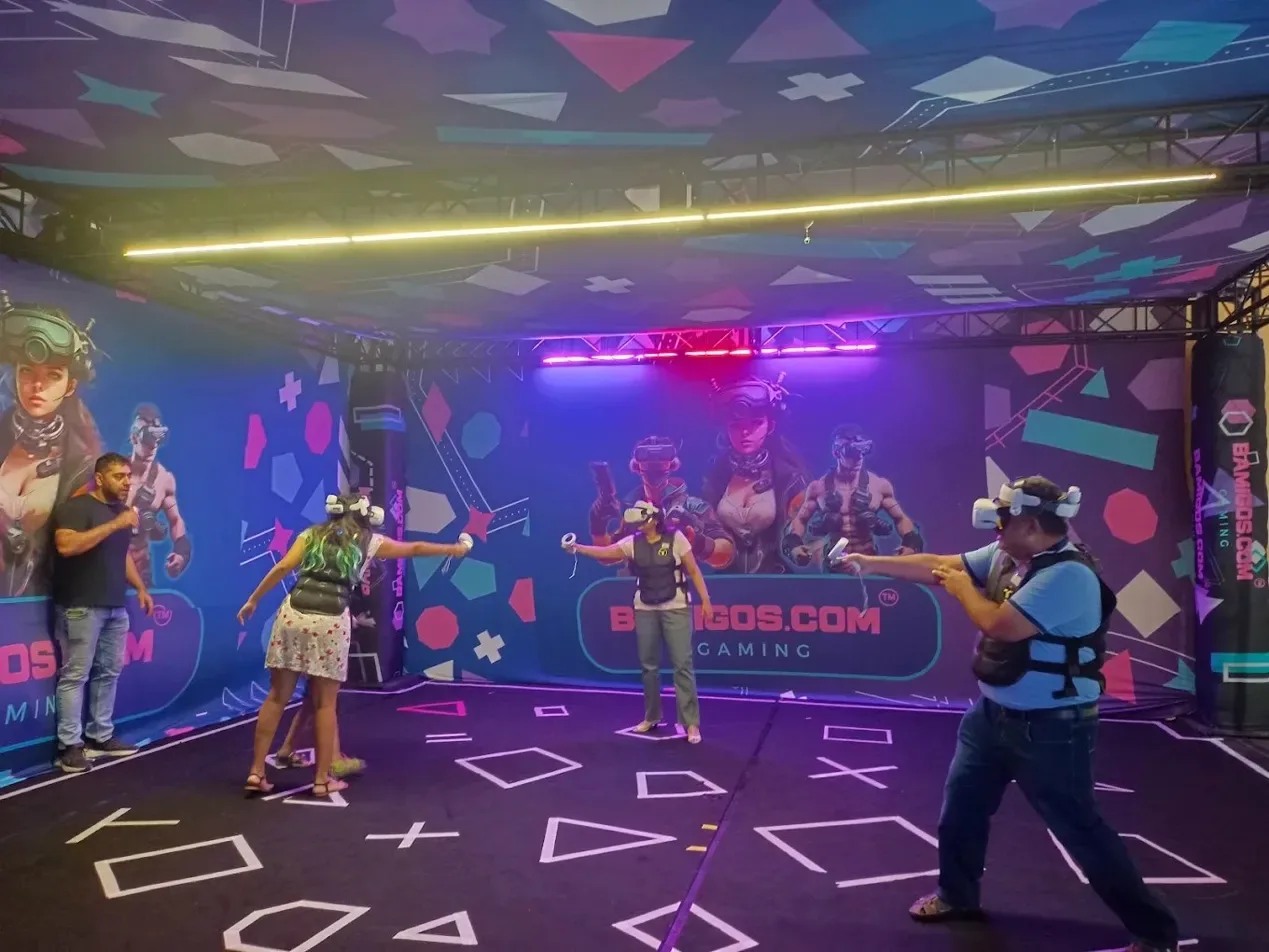
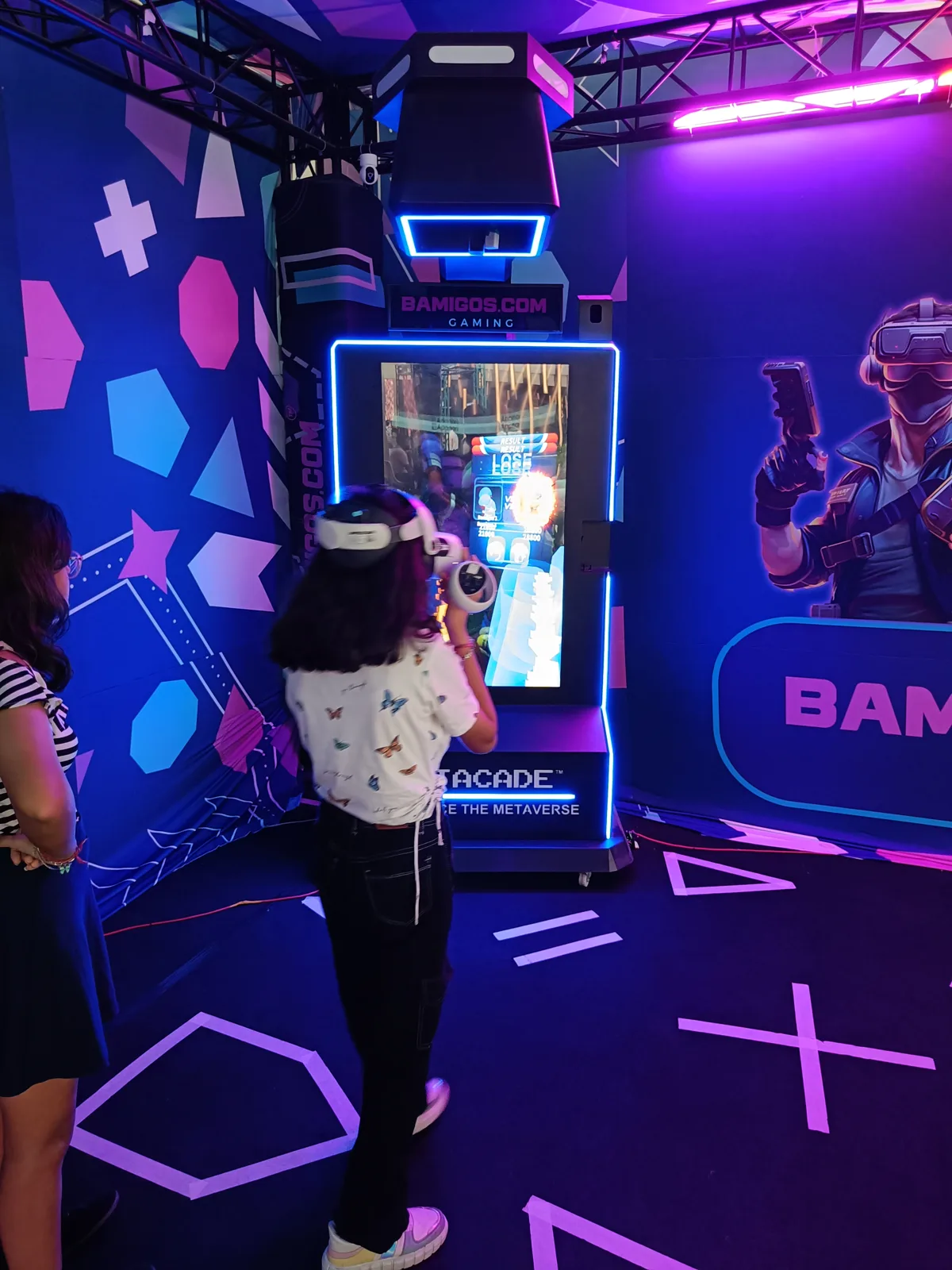
Standalone or PC-tethered headset rigs, one player per station. Per-station cost: ₹3–8 lakh depending on headset model (Meta Quest commercial, HTC Vive Focus, Pico) and whether the station includes a gaming PC, motion sensors, and customer-facing display.
VR racing simulators
Bucket seat + force-feedback steering wheel + pedal set + headset, running titles like Asseto, Gran Turismo VR, or arcade-targeted racing software. Per-rig cost: ₹8–15 lakh. Higher per-session price (₹250–500) compensates for lower throughput vs headset-only stations.
VR gun-controlled FPS rigs
Gun controllers + body sensors + branded shooter content. Per-rig cost: ₹5–12 lakh. Popular with teen and young-adult demographic. Requires a dedicated padded play area of ~6×6 ft per rig.
Free-roam multiplayer infrastructure
Warehouse-scale tracking system that lets 4–8 players physically walk and play together in a shared virtual space. Base infrastructure: ₹25–50 lakh for 1,500–2,500 sq ft of tracked area, plus per-player kit (backpack PC, headset, controllers) at ₹2–4 lakh per player. Highest per-session ticket price (₹600–1,200) and best for premium urban locations.
Add-ons that lift per-visitor revenue
- Motion platforms / 6-DOF chairs: ₹3–8 lakh — adds physicality to flying, racing, and roller-coaster content.
- VR egg chairs: ₹1.5–3 lakh — compact, kid-friendly, and reliable for entry-level VR experiences.
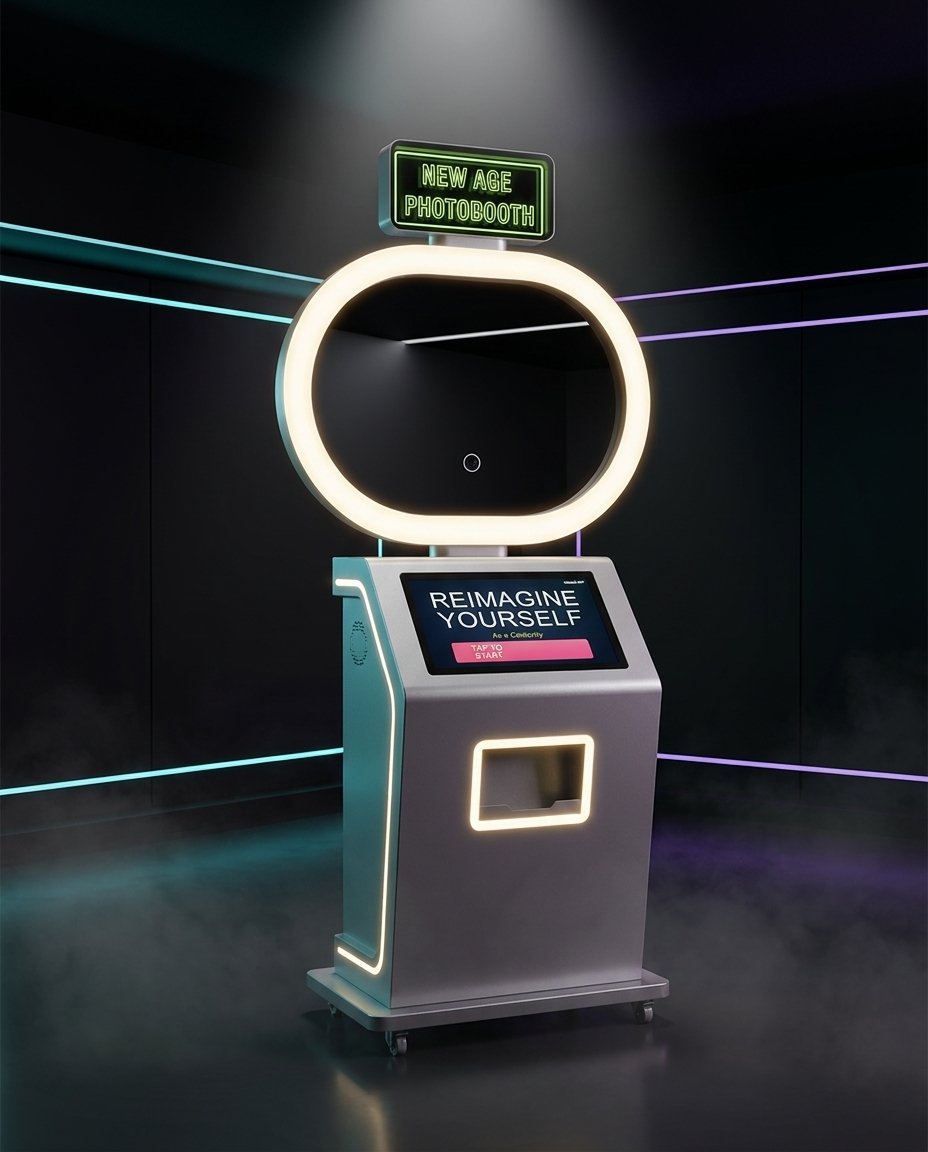
- AI photo booth: ₹3.5–6.5 lakh for the booth itself — captures shareable photos at the end of each VR session, drives social referrals, and adds ₹149–299 per session in incremental revenue. See the AI photo booth for gaming zones page for the integration model.
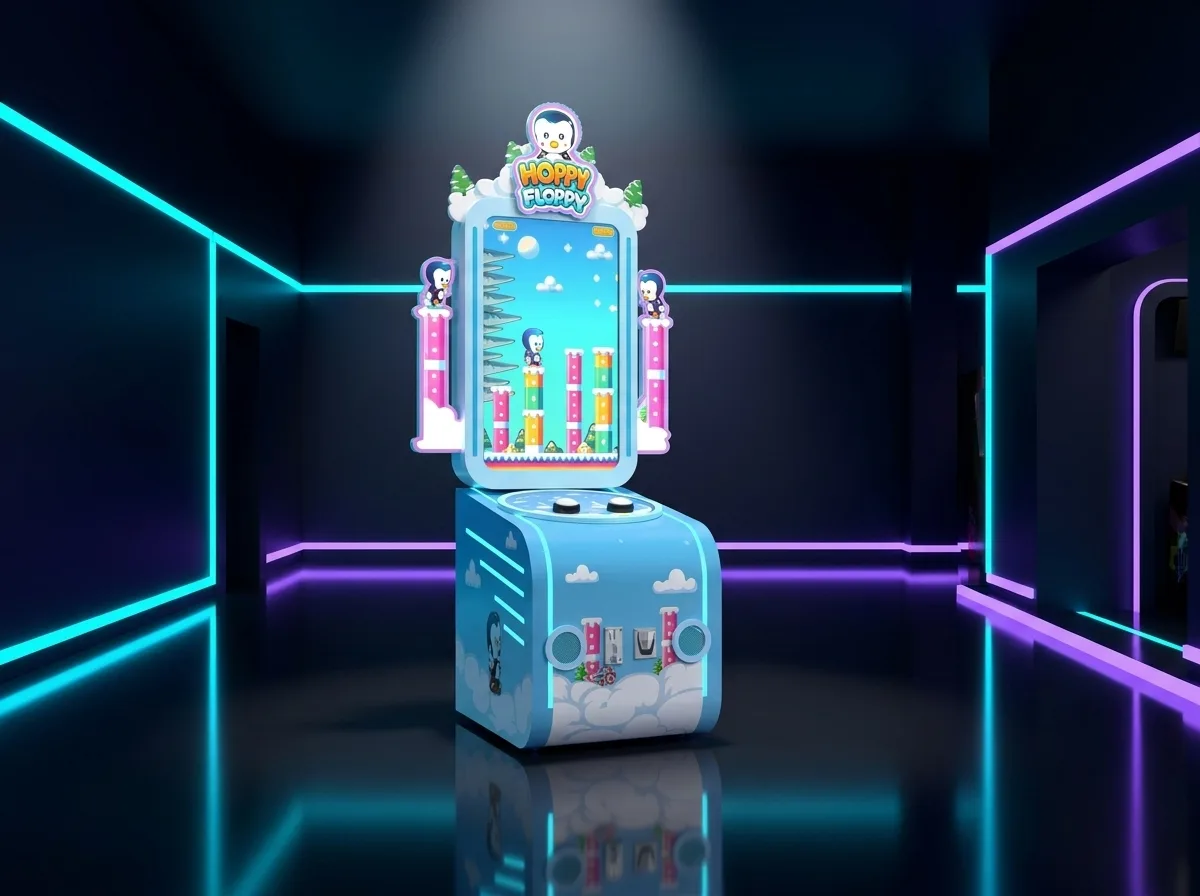
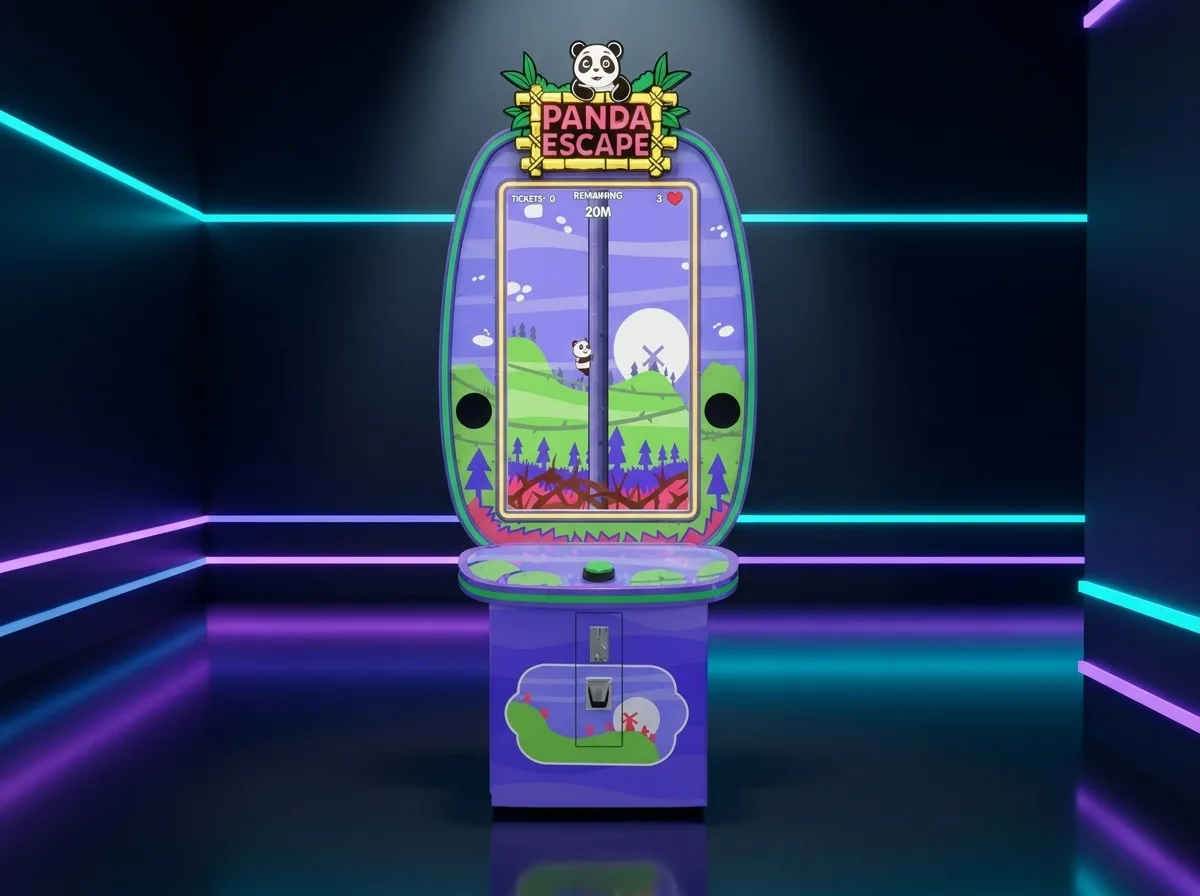
- Arcade machines (claw, basketball, redemption): ₹80K–₹4 lakh per machine — fills floor space and serves customers during VR queue waits. See commercial arcade machines.
Revenue model and unit economics
Per-session pricing in India typically falls in this range:
- Single-headset station — ₹150–300 per 10-minute session
- Racing simulator — ₹250–500 per 10-minute session
- FPS gun rig — ₹200–400 per 5-minute round
- Free-roam multiplayer — ₹600–1,200 per 30-minute session
- Birthday party / group packages — ₹4,000–15,000 per booking
Daily volume varies sharply by venue:
- Mall kiosk: 30–60 sessions/day weekday, 80–150 weekend
- Mid-size zone: 100–200 sessions/day weekday, 250–450 weekend
- Flagship arena: 200–400 sessions/day weekday, 600–1,200 weekend (with corporate and birthday bookings)
Realistic monthly revenue ranges (across the venue):
- Mall kiosk: ₹2.5–6 lakh/month
- Mid-size zone: ₹8–20 lakh/month
- Flagship arena: ₹25–60 lakh/month
Operating costs eat 55–70% of gross at maturity: rent (15–25%), staff (10–18%), software/content licensing (5–10%), maintenance and content refresh (5–8%), utilities and consumables (3–5%), marketing (5–8%). Net EBITDA margin typically lands at 25–40% once the venue is past the 6–9 month ramp.
Setting Up a VR Zone?
Get VR gaming machine pricing and setup guidance from our experts.
For a 360° comparison with non-VR formats, see our complete gaming zone business guide and gaming zone equipment supplier page.
Licenses, utilities, and space requirements
Required licences and registrations
- GST registration — mandatory for any commercial venue.
- Trade licence from the local municipal corporation.
- Fire safety NOC — required for any venue above 200 sq ft, mandatory for mall placements.
- Entertainment licence — required in some states for amusement venues. Check state-level rules.
- Music / content licence — if you play branded background music or sync content from licensed publishers.
- Shop and Establishment registration — required for staffed venues.
Utilities and infrastructure
- Power: 5–25 kVA depending on zone size. Single-headset stations draw ~500W each; racing rigs draw 1–1.5 kW; free-roam infrastructure can need 10+ kW.
- UPS / battery backup: at least 30-minute backup for graceful shutdown during outages — VR sessions interrupted mid-game generate refund liability.
- Internet: 100 Mbps fibre minimum; 200+ Mbps for free-roam multiplayer venues.
- Air-conditioning: headset hygiene depends on cool, dry air. Plan for AC in any climate-controlled mall and split AC for standalone venues.
- Ceiling height: 9 ft minimum for free-roam areas; 8 ft for racing rigs; 7 ft acceptable for kiosk stations.
Space layout
VR demands more circulation space than a traditional arcade. Plan 60–80 sq ft per single-headset station (including circulation), 100–140 sq ft per racing rig or FPS rig, and 200–300 sq ft per free-roam player. Add 15–20% for waiting area, billing counter, and storage.
When VR makes sense vs a traditional arcade
VR isn't universally the right choice. Here's when it works and when a traditional arcade or family entertainment centre wins.
VR wins when
- You're targeting teen / young adult / corporate group demographics with disposable income and an appetite for premium experiences.
- The venue is in a tier-1 metro with high mall footfall or an urban entertainment district.
- You can budget for content refresh — VR titles age fast and customers expect new experiences every 3–6 months.
- You can hire a 2–4 person staff team comfortable with technical operations and customer onboarding.
Traditional arcade or FEC wins when
- Your audience is mixed-age (kids + parents + teens) — claw, basketball, ticket-redemption games appeal across ages.
- Tier-2 / tier-3 cities with lower disposable income — per-session pricing of ₹50–150 fits better than VR's ₹200–500.
- Lower operations complexity is a constraint — a redemption arcade can run with one staffer; a VR zone realistically needs 2+.
- Your capex budget is under ₹15 lakh — that's below the practical VR floor.
Most successful Indian zones run a hybrid: a small VR section as the premium offering, surrounded by traditional arcade games and an AI photo booth for shareable moments. See our FEC equipment page for a hybrid build-out.
Common mistakes to avoid
- Buying premium-tier equipment before validating demand — start with a single station or two before committing to a free-roam build-out.
- Ignoring content refresh budget — plan 5–8% of monthly revenue for new VR titles and software updates.
- Underestimating headset hygiene and replacement — face cushions and head straps need monthly replacement; full headsets last 18–24 months in commercial use.
- Skipping UPS backup — a power cut mid-session generates refund liability and reputation damage.
- Overbuilding for ceiling height when not needed — kiosk and racing-rig setups don't need free-roam ceiling clearance. Don't pay for warehouse space if you're not running multiplayer.
- Pricing the same as international VR arcades — Indian price-sensitivity caps per-session at ₹200–500 for the standard tier. International benchmarks (US ₹800–1,200 equivalent) don't translate.
- Forgetting the social-share layer — VR sessions don't generate shareable content by default. Adding an AI photo booth at the exit turns each session into 5–10 social posts that drive discovery.
How an AI photo booth lifts VR zone revenue
One pattern Bamigos has seen across gaming-zone enquiries: a Pikcha AI photo booth installed at the exit captures customers in their post-VR-session high. That moment converts to social-media shares (Instagram, WhatsApp status), word-of-mouth referrals, and an additional ₹149–299 per visitor in incremental revenue.
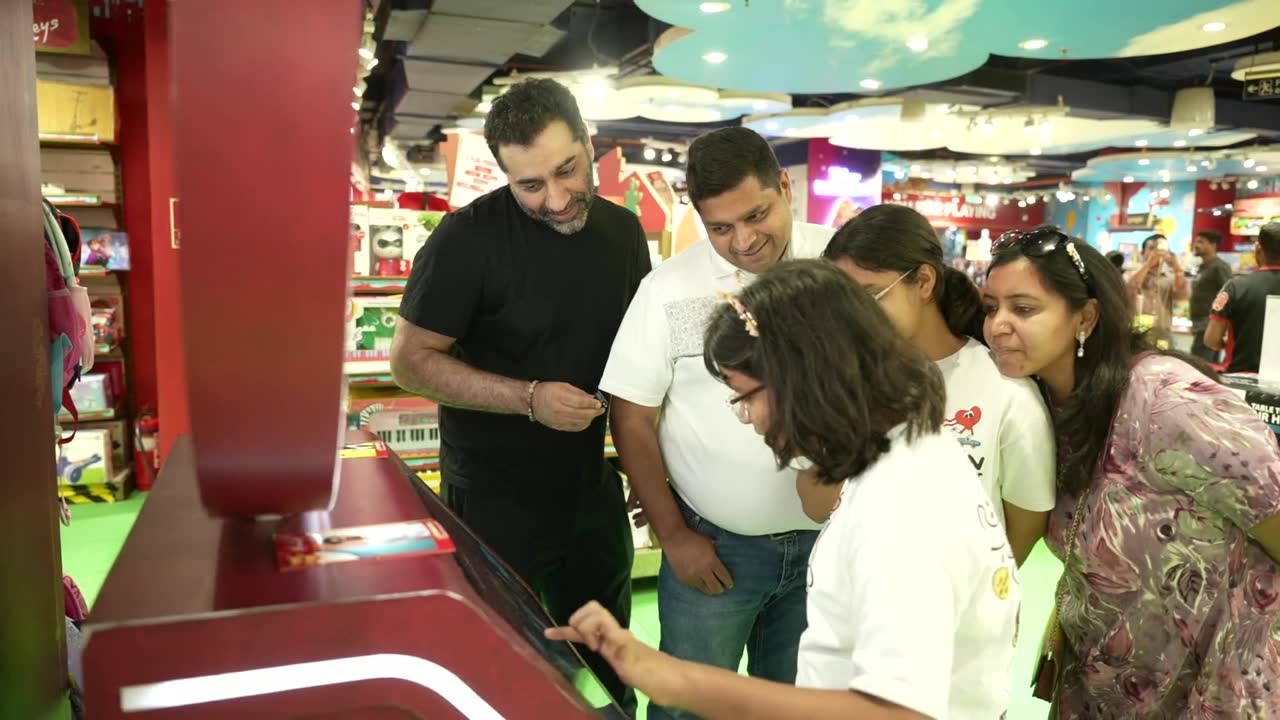
The booth fits in a 6.3 sq ft footprint, runs unattended on UPI payments (Google Pay, PhonePe, Paytm), and ships with 200+ AI effects including gaming, cinematic, and Bollywood themes. For a VR zone doing 200 sessions/day with a 30% photo-booth attach rate, that's an additional ₹7,800–₹15,000 in daily revenue from a single ₹3.5–6.5 lakh asset — payback typically inside 6 months.
For full pricing across the three Pikcha tiers and the integration model with VR/arcade systems, see Pikcha AI Photo Booth pricing and AI photo booth for gaming zones.
Frequently asked questions
How much does it cost to start a VR gaming zone in India?A VR gaming zone in India costs ₹15 lakh to ₹2 crore depending on size: ₹15–25 lakh for a single/dual-station mall kiosk, ₹40–80 lakh for a 4–6 station mid-size zone, and ₹1–2 crore for a flagship multi-bay arena with free-roam multiplayer.
What is the most affordable way to start a VR business in India?A 1–2 station mall kiosk at ₹15–25 lakh capex is the lowest entry point. The mall provides footfall, you avoid full-venue overhead, and you can validate demand before scaling to a mid-size zone.
How profitable is a VR gaming zone in India?Net EBITDA margins typically land at 25–40% once the venue is past a 6–9 month ramp. Payback timeline is usually 18–30 months. Mall kiosks tend toward the lower end of margin (higher revenue share), while standalone mid-size zones run at the higher end.
What is the per-session price for VR in India?Pricing varies by experience: single-headset stations charge ₹150–300 per 10-minute session, racing simulators ₹250–500, FPS gun rigs ₹200–400 per round, and free-roam multiplayer ₹600–1,200 per 30 minutes. Birthday and corporate group packages run ₹4,000–15,000 per booking.
Does Bamigos supply VR equipment?Yes. Bamigos supplies commercial-grade VR systems (including our Metacade and Metablaster platforms) alongside the Pikcha AI photo booth product line. We deliver and install pan-India with GST invoice and domestic warranty. Contact us via the contact page for a custom quote based on your venue size and equipment mix.
What is the best location for a VR zone in India?Tier-1 city malls with strong weekend footfall are the safest first venue — the mall handles marketing and customer acquisition. Standalone urban entertainment districts work for mid-size and flagship formats but require independent marketing investment. Tier-2 cities can work for hybrid arcade + small VR setups; pure VR rarely makes sense outside tier-1 metros.
How long does VR equipment last in commercial use?Headsets last 18–24 months in commercial use (the ear cushions, face foam, and head straps need monthly replacement). Gaming PCs and racing rig hardware last 3–5 years. Plan for 15–20% annual content/equipment refresh budget.
Do I need a special licence for a VR business in India?You need standard commercial licences: GST, trade licence, fire safety NOC, and (in some states) an entertainment licence. There is no VR-specific licence yet. Music and content licences apply if you sync branded titles or play licensed background music.
Can I run a VR zone unmanned?No — VR realistically needs 2+ staff at any time. Customer onboarding (headset fit, controller training, motion-sickness check) takes 2–4 minutes per session and can't be skipped. The complementary AI photo booth, however, runs unattended on UPI payments and captures revenue while staff handle VR onboarding.
Can I add a photo booth to my VR zone?Yes — and it's a high-ROI add-on. A Pikcha AI photo booth at the exit captures the post-session high, drives social shares, and adds ₹149–299 per visitor in incremental revenue. The booth fits in 6.3 sq ft, runs unattended, and integrates with most VR zone payment workflows. See AI photo booth for gaming zones for the integration details.
Next steps
If you're evaluating a VR gaming zone in India:
- Decide on the format (kiosk, mid-size, or flagship) based on your capex range and venue option.
- Visit two or three operating VR zones in your target city to benchmark pricing, footfall patterns, and operations.
- Pull a list of equipment suppliers — for a single-vendor option with India-direct delivery, install, and service, see Bamigos VR gaming machines.
- Lock the venue agreement before committing to equipment orders. Mall placements typically have 30–60 day fit-out windows that gate equipment delivery.
- Plan the social-share layer (AI photo booth, branded selfie wall, hashtag campaign) before launch — VR sessions don't generate organic shareable content by default.
Bamigos supplies VR systems, arcade machines, and the Pikcha AI photo booth across India. For a venue-specific quote with full equipment list, footprint plan, and ROI model, contact us or message us on WhatsApp.