A self-service photo booth in India is an unattended, AI-powered kiosk that lets customers walk up, pay via UPI, choose an AI photo effect, and receive a printed photo — all without any staff present. These automated booths run 24/7, generating ₹149-299 per session with near-zero operating labour, making them one of the most profitable unmanned retail investments in 2026.
What Is a Self-Service Photo Booth?
A self-service photo booth — also called an unmanned photo booth or unattended photo booth — is a fully automated kiosk that handles the entire photo experience without a single staff member. Customers interact with a large touchscreen, pay digitally, and walk away with a printed photo in under 90 seconds.
Here is what makes a self-service photo booth different from a traditional operated booth:
| Feature | Self-Service Booth | Operated Booth |
|---|---|---|
| Staff Required | None | 1-2 people per shift |
| Operating Hours | 24/7 (or matching venue hours) | Limited to staff availability |
| Payment | UPI (zero MDR), automatic | Cash handling, manual collection |
| Customer Experience | Consistent every time | Varies by operator |
| Remote Monitoring | Real-time dashboard | On-site supervision only |
| Monthly Staff Cost | ₹0 | ₹20,000-40,000 |
The concept is simple: you install the booth, connect it to power and the internet, and it runs itself. The Pikcha AI Photo Booth by Bamigos is a self-service photo booth with AI effects updated over the air, purpose-built for the Indian market with native UPI integration, AI-powered photo effects, and a remote management dashboard that lets you monitor every session from your phone.
These are not simple camera stations. They combine professional-grade photography, AI, instant dye-sublimation printing, and digital sharing into a single automated unit. The customer gets a premium experience. You get revenue while you sleep.
How a Self-Service Photo Booth Works: Step by Step
The entire process is designed to be intuitive — no instructions needed, no learning curve. Here is what happens when a customer uses an automated photo booth.
Step 1: Approach and Attract
The booth's 21.5" industrial-grade touchscreen displays eye-catching AI-generated sample photos that draw people in. Transformations — a regular selfie turned into a Bollywood poster, a comic book hero, or a vintage film still — create immediate curiosity.
Step 2: Pay via UPI
A QR code appears on screen. The customer scans it with any UPI app — Google Pay, PhonePe, Paytm, or their bank app. Payment confirms in 2-3 seconds. No cash handling, no coin slot, no card reader. UPI payment carries zero MDR (Merchant Discount Rate), so every rupee goes straight to you.
Step 3: Select an AI Effect
After payment, the screen presents a gallery of AI photo effects. Customers browse and tap to select. Options range from artistic styles (watercolour, oil painting, pop art) to themed transformations (superhero, vintage Bollywood, anime character, royal portrait). The variety keeps the experience fresh — returning customers try new effects each visit.
Step 4: Capture
A countdown appears on screen. The customer poses. The booth's professional camera captures the photo. Some effects allow multiple shots so the customer can choose their favourite. The large screen doubles as a mirror, so customers can check their pose and framing in real time.
Step 5: AI Transformation
The booth's onboard AI processes the captured photo and applies the selected effect in 15-30 seconds. This is not a simple filter — the AI reimagines the entire image, adjusting lighting, style, composition, and artistic elements to create a genuinely impressive result.
Step 6: Print and Digital Share
The transformed photo prints on a dye-sublimation printer in roughly 15 seconds — smudge-proof, water-resistant, vibrant. Simultaneously, a QR code appears on screen for the customer to download the high-resolution digital version to their phone, ready to share on Instagram or WhatsApp.
Total time from approach to walking away with a print: under 90 seconds. No staff interaction. No friction.
Why Self-Service Beats Operated Photo Booths
If you are evaluating a photo booth business opportunity in India, the choice between self-service and operated models will define your profitability. Here is why unmanned wins.
Zero Staff Cost: Save ₹20,000-40,000 Per Month
An operated booth needs at least one person per shift. For a mall running 10-12 hours daily, that means one to two employees at ₹15,000-20,000 per person per month, plus ESI, PF, and the inevitable absences and attrition headaches. A self-service booth eliminates this entirely — ₹2.4 to ₹4.8 lakhs saved per year, straight to your bottom line.
True 24/7 Operation
A self-service photo booth operates every hour the venue is open. In a 24-hour gaming zone or hotel lobby, that means genuine round-the-clock revenue. Even in malls that run 11 AM to 10 PM, you capture every minute of operating time without worrying about staff breaks, shift changes, or someone calling in sick on a Saturday (your busiest day).
Consistent Customer Experience
With an operated booth, customer experience depends on who is running it. A tired or disinterested operator delivers a mediocre experience. A new hire might not know all the features. A self-service booth delivers the exact same premium experience to the first customer of the day and the last. The touchscreen never has a bad day.
Remote Monitoring and Management
The cutting-edge Pikcha booth by Bamigos includes a remote dashboard that shows you real-time session data, revenue, printer status, and error alerts. You can manage multiple booths across different cities from your laptop. Try doing that with operated booths — you would need a manager at every location.
No Theft or Cash Leakage
Cash-operated booths are vulnerable to skimming and underreporting. With UPI, every transaction goes directly to your bank account with a complete digital trail. You know exactly how many sessions happened and exactly how much money came in.
Faster Scaling
Want to go from one booth to five? With operated booths, you need to hire five teams, train them, manage them, and handle the HR complexity. With self-service, you install the booths and start earning. The operational complexity barely increases as you scale.
Revenue Potential of a Self-Service Photo Booth in India
Numbers matter more than promises. Here is what a self-service photo booth can realistically generate based on actual deployments of the Pikcha booth across India.
Per-Session Revenue
Venues typically charge guests ₹149 to ₹299 per session. Use the photo booth ROI calculator to model your specific scenario.
Daily Sessions
In a well-positioned mall location, expect 30 to 80 sessions per day. Weekdays average around 30-40 sessions, while weekends and holidays can push beyond 80. Placement matters enormously — a booth near the food court, cinema, or main entrance will outperform one tucked in a dead-end corridor.
Monthly Revenue Breakdown
| Scenario | Sessions/Day | Avg Price | Monthly Revenue |
|---|---|---|---|
| Conservative (Tier 2 Mall) | 30 | ₹149 | ~₹1,34,100 |
| Moderate (Metro Mall) | 50 | ₹179 | ~₹2,68,500 |
| Strong (Premium Location) | 80 | ₹199 | ~₹4,77,600 |
Realistically, most operators land in the ₹50,000 to ₹3,00,000 per month range per booth. The variance depends on city, mall footfall, booth placement, pricing, and how well you market the experience within the venue.
Operating Costs
The beauty of a self-service model is how lean the cost structure is:
- Print media: ~low per-session consumable cost (dye-sublimation paper and ribbon)
- Electricity: ₹500-1,500/month (the booth consumes very little power)
- Internet: ₹500-1,000/month (4G SIM or venue Wi-Fi)
- Mall rent: ₹15,000-50,000/month depending on the mall tier and location
- Staff: ₹0
Running costs depend on your print volume and paper choice. Ask us for the numbers for your venue. Subtracting all operating expenses, the net profit margin typically ranges from 40% to 65%.
Profit Example
Consider a moderate-performing booth in a metro mall:
- Monthly revenue: ₹2,68,500 (50 sessions/day x ₹179 x 30 days)
- Running costs depend on your print volume and paper choice. Ask us for the numbers for your venue.
- Mall rent: ₹30,000
- Electricity + internet: ₹2,000
- Net profit: ₹1,84,000/month
That is from a single booth that requires no daily attention from you.
Where Self-Service Photo Booths Work Best
Not every location is equal. The ideal spot for an automated photo booth combines high footfall, dwell time (people who are lingering, not rushing), and a demographic that values shareable experiences. Here are the top-performing venue types in India.
Shopping Malls
Malls remain the number one venue for self-service photo booths in India. Families, couples, and friend groups visit malls for entertainment, not just shopping. They have time, they are in a spending mood, and they want experiences worth sharing on social media. Position your booth near the food court, entertainment zone, or cinema exit for maximum visibility. Monthly revenue in malls typically ranges from ₹50,000 to ₹3,00,000.
Gaming Zones and Family Entertainment Centres
Gaming zones are goldmines for photo booths. Visitors are already primed to spend on entertainment, and the average ticket size is high. Groups of friends and families visit together, meaning multiple sessions per group. Well-placed booths in premium gaming zones have generated up to ₹2,00,000 per month. The AI transformation effects (turn yourself into a game character, superhero, or anime figure) resonate perfectly with the gaming zone audience.
Hotels and Resorts
Hotel lobbies, resort common areas, and banquet pre-function spaces are excellent locations. Guests on holiday or celebrating want memorable keepsakes, and hotels benefit from a premium amenity at zero cost to them. A revenue-share model with the hotel works well for both parties. Wedding guests at hotel banquets are particularly high-converting.
Restaurants and Cafes
Themed restaurants, rooftop cafes, and Instagram-worthy dining spots attract a photo-happy audience. A self-service booth fits naturally into the experience and enhances the venue's social media presence as customers share AI-transformed photos tagged at the location.
Tourist Spots and Amusement Parks
Tourist destinations and amusement parks see massive footfall, especially on weekends and holidays. Visitors actively looking for souvenirs find an AI-powered photo booth that transforms a regular tourist photo into something artistic an easy purchase. High volume compensates for seasonal variations.
Corporate Offices and Co-Working Spaces
An emerging segment. Corporate offices install photo booths in common areas for employee engagement. During festivals and team events, usage spikes. Some companies sponsor the booth (free for employees), and the operator earns a fixed monthly fee.
Starting a Photo Booth Business?
Get AI photo booth pricing and ROI details from our team. No obligation.
The Technology Behind a Self-Service Photo Booth
What makes an unmanned photo booth reliable enough to run unattended, day after day, without technical issues? The answer lies in purpose-built hardware and intelligent software. Here is what powers the Pikcha booth by Bamigos — the cutting-edge self-service photo booth designed specifically for the Indian market.
21.5" Industrial-Grade Touchscreen
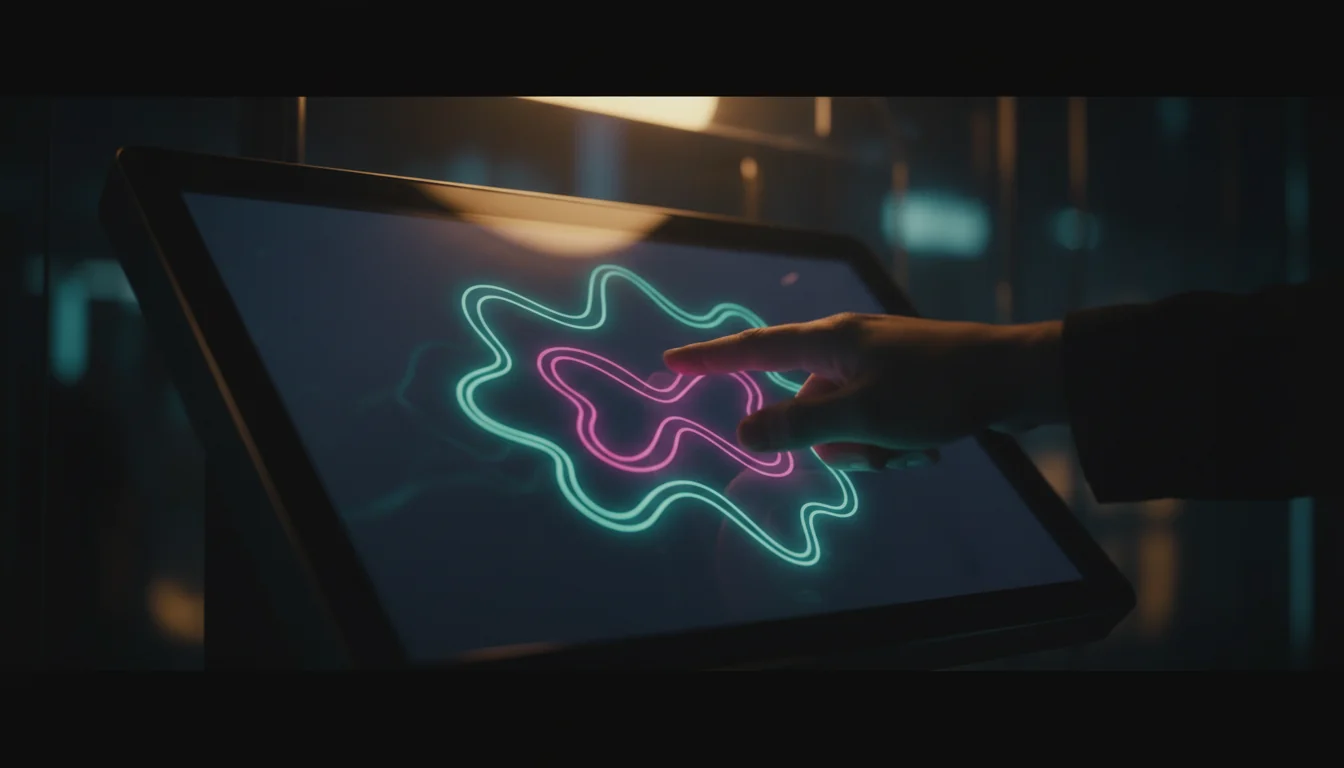
The booth's primary interface is a 21.5" industrial-grade touchscreen designed for high-brightness environments like malls. Visible from several metres away, the screen serves triple duty: attracting foot traffic with dynamic AI photo displays, guiding the customer through the session, and showing the final transformed photo before printing.
UPI Payment Integration (Zero MDR)
The UPI payment system is deeply integrated into the booth's software. When a customer scans the QR code, the booth detects confirmation in real time and immediately begins the session. Zero MDR on UPI transactions means every rupee lands in your account. All major UPI apps are supported — Google Pay, PhonePe, Paytm, BHIM, and bank-specific apps.
On-Device AI Processing
The AI engine runs locally on the booth's hardware, not in the cloud. Transformations happen in 15-30 seconds regardless of internet speed. AI models are updated remotely with new effects and seasonal themes. On-device processing means no recurring cloud computing costs and no latency issues.
Dye-Sublimation Printer
Dye-sublimation printing produces photo-lab quality prints — smudge-proof, water-resistant, fade-resistant. Running costs depend on your print volume and paper choice. Ask us for the numbers for your venue. The printer handles hundreds of prints before needing a reload, with consistent quality from first print to last — leagues ahead of thermal or inkjet printers in cheaper booths.
Remote Management Dashboard
The cloud-connected dashboard lets you monitor booth operations from anywhere: live session counts, revenue, printer media levels, error alerts, and customer analytics. Low media? You get a phone notification. You can also remotely update pricing, add new AI effects, and push software updates.
Auto Wake and Sleep
The booth is programmed with venue operating hours. It wakes automatically when the mall opens and enters sleep mode when it closes, consuming minimal power while staying ready for instant restart. No one needs to turn it on and off each day.
Industrial-Grade Build
The Pikcha booth uses a reinforced steel frame, tamper-resistant panels, and commercial-grade components rated for continuous operation. The touchscreen is scratch- and impact-resistant. Every component is designed for longevity under thousands of monthly interactions from the general public.
Operating a Self-Service Photo Booth: What Is Actually Required?
This is the section that matters most to prospective operators. If the booth runs itself, what exactly do you need to do? The honest answer: surprisingly little.
Restocking Print Media
At 50 sessions per day, you restock paper and dye ribbon every 1-2 weeks. The process takes 15-20 minutes: open the printer compartment, swap the paper roll and ribbon cartridge, close it up. No technical skill required. The dashboard tells you exactly when media is running low.
Monitoring the Dashboard
Check the remote dashboard once or twice a day — session counts, revenue, system status. This takes 2-3 minutes. Over time, you only need to check when something looks off in the daily summary notification.
Occasional Cleaning
Wipe the touchscreen with a microfibre cloth once a week or as needed. In dusty environments, clean the camera lens periodically to ensure photo quality stays sharp. A quick exterior wipe keeps the booth looking inviting. Total cleaning time: 5-10 minutes per week.
Software Updates
Bamigos pushes software updates and new AI effects remotely, installing automatically during off-hours. You do not need to visit the booth for updates.
Total Weekly Time Investment
Combining all maintenance, expect 30-45 minutes per week per booth. For operators running multiple booths, a single part-time helper can manage 5-10 booths across a city on a rotating restocking and cleaning schedule.
Investment and ROI: What It Costs and When You Profit
Transparent numbers are essential when evaluating any business opportunity. Here is the complete cost breakdown for starting a self-service photo booth business in India.
Equipment Cost
| Component | Cost Range |
|---|---|
| Pikcha AI Photo Booth (complete unit) | ₹3,50,000 - ₹6,50,000 + 18% GST (Pikcha Lite to Pikcha Pro) |
| Initial print media stock | ₹10,000 - ₹15,000 |
| Installation and setup | ₹10,000 - ₹25,000 |
| Mall security deposit (if applicable) | ₹25,000 - ₹1,00,000 |
| Transport and logistics | ₹5,000 - ₹15,000 |
Total investment: ₹4,00,000 - ₹7,00,000 + 18% GST depending on the booth model chosen, location, and whether a mall security deposit is required.
ROI Timeline
At a net monthly profit of ₹1,00,000 to ₹1,84,000 (based on the moderate scenario calculated earlier), a total investment of ₹4-7 lakh + GST pays back in 6 to 12 months. Conservative operators recovering ₹70,000-80,000 per month net still break even within a year. Aggressive operators with premium locations or multiple booths can hit ROI in under 6 months.
Month-by-Month Example (₹4.5 Lakh Pikcha Studio Investment)
| Month | Cumulative Revenue | Cumulative Expenses | Cumulative Profit | Investment Recovery |
|---|---|---|---|---|
| 1 | ₹2,00,000 | ₹85,000 | ₹1,15,000 | 19% |
| 3 | ₹6,50,000 | ₹2,55,000 | ₹3,95,000 | 66% |
| 6 | ₹13,50,000 | ₹5,10,000 | ₹8,40,000 | 100%+ |
| 12 | ₹28,00,000 | ₹10,20,000 | ₹17,80,000 | 297% |
* Year 3+ requires a mandatory Annual Maintenance Contract (AMC) at 9.5% of base price (₹33,250/yr for Pikcha Lite). Factor this into long-term projections. See full AMC details.
After the initial investment is recovered, nearly all revenue beyond operating costs is profit. The upfront cost is fixed and finite; the revenue stream is ongoing.
Scaling Economics
With multiple booths, you negotiate better mall rental rates, buy print media in bulk, and spread restocking labour across multiple revenue-generating units. Many successful operators in India run 3-10 booths across a metro area, each managed with minimal ongoing effort.
Related guides: Photo Booth Manufacturer India · Franchise Opportunities · Buying Guide
Frequently Asked Questions
Do I need technical knowledge to operate a self-service photo booth?
No. Setup is handled by the Bamigos team, and ongoing operation requires only restocking prints (15-20 minutes) and monitoring the remote dashboard. Software updates happen automatically. If you can operate a smartphone, you can operate this booth.
What happens if the booth malfunctions when there is no staff present?
The remote dashboard sends instant alerts for any issue — printer jam, connectivity loss, payment error, or hardware fault. Most issues resolve with a remote restart. For rare hardware problems, Bamigos provides on-call technical support. The booth automatically displays an "out of service" message so customers are not left confused.
Is UPI payment reliable enough for an unmanned booth?
UPI processes over 12 billion transactions per month in India with uptime exceeding 99.9%. The Pikcha booth confirms payment in 2-3 seconds. In the rare event of UPI downtime, the booth displays a temporary message. Payment failures are extremely uncommon and usually caused by the customer's own bank app, not the booth.
How much space does a self-service photo booth need?
The booth has a 6.3 sq ft footprint (3.29 ft wide × 1.92 ft deep × 6.71 ft tall), plus 4–6 feet in front for the customer — roughly 10–12 sq ft total. It runs on a standard 15-amp outlet and needs an internet connection (4G SIM or Wi-Fi). No special infrastructure required.
Can I install a self-service photo booth outdoors?
The standard Pikcha booth is designed for indoor or covered outdoor environments. Direct rain, extreme heat, and dust will damage electronics and the printer. Covered outdoor areas like mall atriums and roofed resort spaces work well. For fully outdoor deployments, a weather-protective enclosure is recommended.
What is the print quality like, and how long do prints last?
The dye-sublimation printer produces photo-lab quality 4x6 inch prints — vibrant, sharp, smudge-proof, water-resistant, and fade-resistant, lasting decades under normal conditions. Running costs depend on your print volume and paper choice. Ask us for the numbers for your venue. Customers consistently rate print quality as a highlight of the experience.
How do I choose the right location for my self-service photo booth?
Prioritise high footfall, dwell time, and visibility. The best spots are near food courts, cinema exits, gaming zones, and main mall corridors. Avoid dead-end corridors and upper floors with low traffic. Ask mall management for footfall data before committing. Bamigos also provides location consultation based on data from hundreds of deployments across India.
Can I run multiple self-service booths as a business?
Absolutely. Each booth operates independently with remote monitoring, so adding a second or tenth booth does not proportionally increase your workload. Many operators run 3-10 booths across different cities, managing all of them from the Pikcha dashboard. The photo booth business opportunity is one of the most scalable low-staff retail models available today. Bulk purchases from Bamigos come with volume discounts and priority support.
The Pikcha AI Photo Booth line — three tiers
Bamigos manufactures the Pikcha AI Photo Booth — built in India by Bamigos — across three tiers:
- Pikcha Lite — ₹3.5 L + 18% GST. Entry tier. Black powder-coat cabinet, 21.5" standard touchscreen, 200+ AI effects, UPI built in, 1-year warranty. Best for entry mall kiosks, weddings, events, and small gaming zones.
- Pikcha Studio — ₹4.5 L + GST. Silver-chrome cabinet, 21.5" industrial-grade touchscreen, 4K camera, reactive ambient lighting, co-branded print frames (80% your brand / 20% powered by Pikcha), 1-year warranty. Best for malls, FECs, hotels, and serious commercial installations.
- Pikcha Pro — ₹6.5 L + GST. Full white-label with custom cabinet wrap in any colour, custom UI, up to 3 custom workflows, 1-year warranty, dedicated account manager. Best for hotel chains, franchise networks, and 5-star venues.
All three tiers ship with 200+ AI effects, 21.5" touchscreen, UPI built in, and lifetime software updates. Logistics ex-Delhi, wooden crate packaging, and optional on-site setup are quoted separately. Post-warranty operation requires a mandatory Annual Maintenance Contract (AMC) at 9.5% of base price per year. See full Pikcha pricing.
Note: After the warranty period ends, Pikcha requires a mandatory Annual Maintenance Contract (AMC) at 9.5% of base price per year. See the full AI Photo Booth Price India page for AMC details, logistics, and setup policy.
Explore Bamigos.com Photo Booth Products
- AI Photo Booth India — Pikcha is India's flagship AI photo booth: 200+ effects, UPI payments, designed and manufactured in Delhi since 2022.
- Photo Booth Machines in India — commercial-grade units from ₹3.5 lakhs with full specs, pricing tiers, and ROI math.
- AI Selfie Booth for Events — brand activations, trade shows, college fests, weddings; UPI-native, instant sharing.
- Korean Photo Booth India — 4-cut strip frames, studio lighting, K-culture aesthetic for Gen-Z venues.
- Photo Booth Franchise / Business Opportunity — own a Pikcha outright; no franchise fee, no royalty, no territory lock-in.