Memo4Frame vs Pikcha: Which Photo Booth Should You Buy in India? (2026 Comparison)
If you are evaluating photo booths for a mall, venue, or event business in India, you have likely come across two very different products: Memo4Frame, a Korean-style 4-cut photo booth, and Pikcha by Bamigos, an AI-powered photo booth manufactured in India.
Both make self-service photo kiosks. Both target the Indian market. But they are fundamentally different products serving different use cases. This comparison breaks down the differences honestly — technology, pricing, revenue model, maintenance, and which one makes more sense depending on what you are trying to build.
The Brands at a Glance
Memo4Frame
Memo4Frame is a Delhi-based company (registered December 2025) that operates walk-in Korean-style "4-cut" photo booth studios. They are not a photo booth manufacturer — they import equipment (likely from China or Korea) and run it as a retail studio business across a handful of locations in North India.
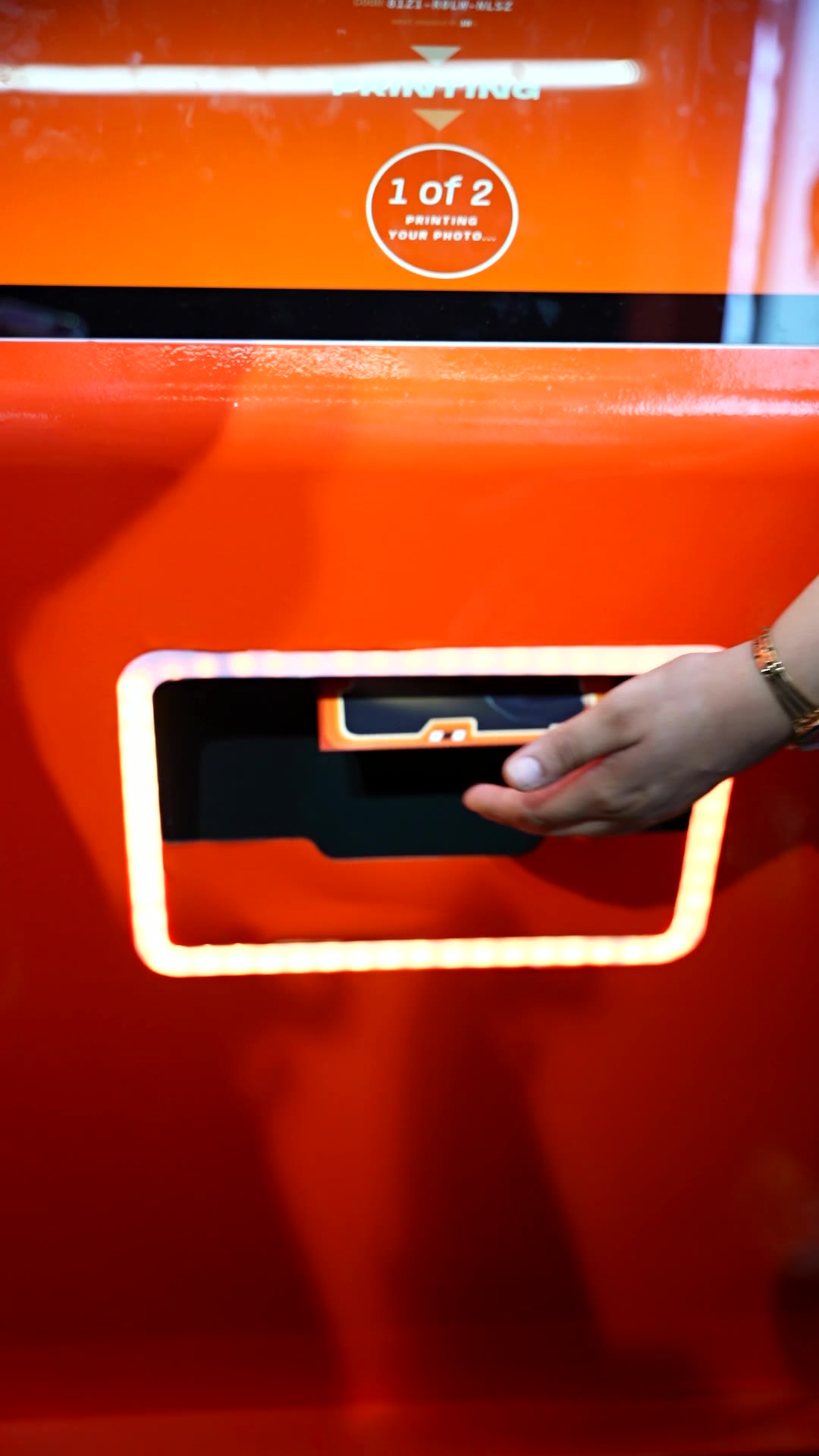
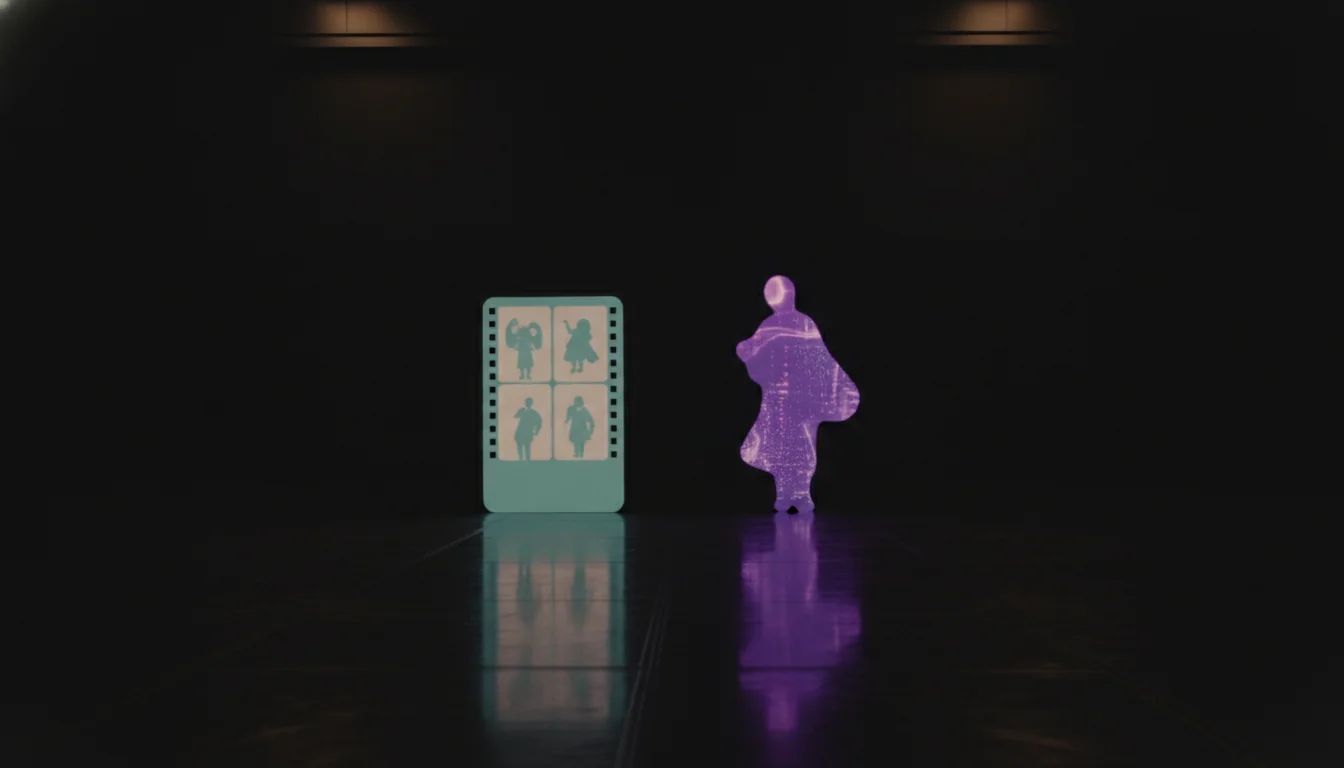
The Korean 4-cut format they operate emphasises natural, film-look aesthetics — DSLR cameras, continuous LED lighting, clean backgrounds, and dye-sublimation printing producing vertical strips of 4 or 6 photos with themed frames. Customers walk into a Memo4Frame studio, pay ₹100–₹200 per session, and take home printed photo strips.
As of early 2026, Memo4Frame operates approximately 7 locations — mostly in Delhi (Majnu Ka Tilla, Kamla Nagar, Humayunpur) with outposts in Siliguri, Dehradun, and Naharlagun. They position as a "total K-experience" — combining photo booths with Korean jewellery and accessories retail.
Pikcha by Bamigos
Pikcha is an AI-powered photo booth designed and manufactured in India by Bamigos, a Delhi-based company. While it can replicate the Korean 4-cut format, Pikcha's core differentiator is its AI effects engine — 200+ effects that transform photos in real time using artificial intelligence. Think: turning a selfie into a Bollywood poster, a K-pop album cover, an anime character, a superhero, or a royal portrait.
Pikcha is built specifically for the Indian market — UPI payment integration, remote management dashboard, and pricing designed for Indian venue economics.
Feature-by-Feature Comparison
| Feature | Memo4Frame (Korean) | Pikcha by Bamigos (Indian) |
|---|---|---|
| Technology | DSLR camera + LED lighting + dye-sub printer | AI processing engine + camera + dye-sub printer |
| Photo style | Natural, film-look, 4-cut/6-cut strips | AI-transformed: 200+ effects (Bollywood, K-pop, anime, superhero, royal, etc.) + standard photos |
| Output format | 4-cut or 6-cut vertical strips | AI art prints, photo strips, custom formats |
| Screen | Touchscreen for frame/filter selection | 21.5" industrial-grade touchscreen |
| Printing | Dye-sublimation (instant) | Dye-sublimation (instant, 8–10 seconds) |
| Payment | Varies by operator (cash, card, some UPI) | Built-in UPI (Google Pay, PhonePe, Paytm) + RFID + coin |
| Digital delivery | QR code download | QR code + WhatsApp delivery |
| Self-service | Yes (fully automated) | Yes (fully automated, remote dashboard) |
| Remote monitoring | Limited (depends on software) | Full operator dashboard — sessions, revenue, alerts, consumable levels |
| Who makes the hardware | Imported from China/Korea (Memo4Frame is an operator, not a manufacturer) | Designed and manufactured in India by Bamigos (Delhi, MSME-registered) |
| Warranty | Unclear — Memo4Frame operates studios, does not sell equipment to third parties | 6-month (Lite), 1-year (Studio), 1-year (Pro) |
| Can you buy their booth? | No — Memo4Frame is a studio business, not a booth seller | Yes — you buy the machine outright and operate it yourself |
| Customisation | Limited (frame designs, filters) | Full: custom AI effects, custom branding, custom UI (Pro tier) |
| Pricing (India) | ₹3–₹8L (varies widely by source and config) | ₹3.5L (Lite), ₹4.5L (Studio), ₹6.5L (Pro) + GST |
The Technology Difference
This is the fundamental difference and it determines everything else.
Memo4Frame: Camera-First
A Korean 4-cut booth is essentially a high-quality automated camera with a printer attached. The camera captures a photo, the software applies a preset frame and minor colour grading, and the printer produces a strip. The value is in the studio-quality photography — good lighting, good lens, clean output.
The effects are cosmetic: different frame designs, background colours, minor filters (warm, cool, B&W, vintage). There is no AI processing, no generative art, no background replacement, no style transformation. The photo you take is the photo you get, with a pretty frame around it.
This works well for the Korean aesthetic — the entire point of a 4-cut booth is the clean, natural look. K-pop fans want to look like K-pop stars, not like AI-generated characters. The simplicity is the appeal.
Pikcha: AI-First
Pikcha starts with the same camera capture but then runs the image through an AI processing engine that reimagines the entire photo. A regular selfie becomes:
- A Bollywood movie poster with dramatic lighting and filmi typography
- A K-pop album cover with the signature soft-glow Korean aesthetic
- An anime character in hand-drawn style
- A royal portrait in Mughal or Rajput art style
- A superhero in a comic book frame
- A vintage film still in black-and-white cinema style
- A caricature, oil painting, watercolour, or pop art print
With 200+ effects and new ones added regularly, the experience is different every visit. A customer who tries the Bollywood effect today comes back next week for the anime effect. This repeat-visit dynamic is critical for permanent mall installations where you need the same foot traffic to keep coming back.
The practical impact on revenue: A Korean 4-cut session is a one-time novelty for most Indian consumers — you try it once, get your strips, and you are done. An AI booth with 200+ effects creates ongoing curiosity. Operators report higher repeat-visit rates and longer customer lifecycles at permanent installations.
Pricing and Cost of Ownership
Upfront Cost
| Memo4Frame (Import) | Pikcha Lite | Pikcha Studio | Pikcha Pro | |
|---|---|---|---|---|
| Base price | ₹3–₹8L (varies by source) | ₹3.5L | ₹4.5L | ₹6.5L |
| GST | 18% + customs duty (if imported) | 18% (₹63K) | 18% (₹81K) | 18% (₹1.17L) |
| Total | ₹3.5–₹9.4L | ₹4.13L | ₹5.31L | ₹7.67L |
Korean booths imported to India carry additional costs: customs duty (typically 10–15% on electronic equipment), shipping, and importer margins. The "₹3L" starting price often does not include these, leading to final costs well above the sticker price.
Pikcha's pricing is all-inclusive: the quoted price + GST is the final cost to the buyer. Delivery, crate packaging, and setup are quoted separately and transparently.
Ongoing Costs
| Korean-style booth | Pikcha | |
|---|---|---|
| Software updates | May require additional licensing | Lifetime software updates included |
| New effects/frames | Frame packs may be chargeable | 200+ effects included, new effects added free |
| AMC (post-warranty) | Varies (some importers offer, some do not) | Mandatory 9.5% of base price/year (Lite: ₹33,250/yr) |
| Spare parts | Imported, longer lead times | Domestic, typically available within days |
| Technical support | Depends on importer presence in India | Direct from manufacturer, pan-India |
The AMC trade-off: Pikcha's mandatory post-warranty AMC at 9.5%/year is a clear cost. But it guarantees ongoing support, software updates, and part availability from a domestic manufacturer. Korean booths without an AMC option may have lower annual costs — until something breaks and the replacement part needs to be shipped from Korea or China.
Revenue Potential
Starting a Photo Booth Business?
Get AI photo booth pricing and ROI details from our team. No obligation.
Per-Session Pricing
Korean 4-cut booths in India typically charge ₹100–₹250 per session (2 printed strips). Pikcha AI booths charge ₹149–₹299 per session (1 AI art print + WhatsApp delivery). The pricing is comparable, but the value proposition differs:
- Korean booth: You get a physical strip of 4 studio-quality photos. Clean, elegant, collectible.
- Pikcha: You get an AI-transformed art print + digital WhatsApp delivery. Shareable, viral, diverse.
Revenue Ceiling
The revenue ceiling depends on repeat visits. In a permanent mall installation:
- A Korean booth's appeal is strongest in the first 3–6 months after installation. Once the local audience has tried it, session rates tend to plateau as the novelty wears off. The core customer base narrows to K-pop fans and couples (a valuable but limited segment).
- An AI booth's 200+ effects library means there is always something new. Seasonal effects (Diwali, Christmas, Valentine's, IPL) keep the experience fresh year-round. The customer base is broader: families, friend groups, couples, solo selfie-takers, corporate visitors.
Operators who have run both formats report 30–50% higher monthly revenue from AI booths compared to Korean-style booths at the same location, primarily due to broader demographic appeal and higher repeat rates.
Which One Should You Choose?
Choose Memo4Frame (Korean-style) If:
- Your target location is near a K-pop or Korean culture hub (Korean restaurants, K-beauty stores, areas with strong Gen Z foot traffic)
- You want to operate a Korean self-photo studio concept — a dedicated shop with 3–4 booths, backdrops, props, and the full Korean aesthetic experience
- Your business model is the dedicated studio format (not a single kiosk in a mall), where the Korean branding and aesthetic are the entire value proposition
- You are targeting a niche audience (K-pop fans, Korean culture enthusiasts, couples) and are comfortable with a narrower customer base
- You have access to reliable after-sales support from the importer/distributor in your city
Choose Pikcha If:
- You want to install in a mall, hotel, gaming zone, or event venue as a self-service revenue generator
- You want the broadest possible customer base — AI effects appeal to families, couples, friend groups, kids, corporate visitors, and tourists, not just K-pop fans
- You need UPI payment integration built in (not retrofitted) for unmanned Indian commercial environments
- You want a remote management dashboard to monitor revenue and booth status without visiting the location daily
- You need manufacturer-direct support in India — warranty, AMC, spare parts, and technical help from the people who built the machine
- You are building a multi-unit network — the Pro tier offers white-label branding, custom workflows, and a dedicated account manager for operators scaling to 3+ locations
- You want the highest revenue per location from a single booth, driven by 200+ effects, broad demographic appeal, and repeat visits
The Hybrid Approach
Some operators run both. A Korean-style booth at a trendy K-culture hub (where the aesthetic matters) and Pikcha AI booths at malls and events (where revenue per square foot matters). The two products serve different business models and can coexist in a portfolio.
The Bottom Line
Memo4Frame and the Korean photo booth format created a genuine trend in India. The clean aesthetic, the K-pop connection, and the collectible photo strips have real appeal — particularly among Gen Z in metros.
But for commercial operators focused on maximising revenue from permanent installations, the AI-powered approach offers more: broader customer appeal, higher repeat rates, integrated UPI payments, and a domestic manufacturer with direct support. The technology difference — camera-only vs AI processing — is not just a feature list. It determines your customer base, your revenue ceiling, and your competitive position as AI-powered experiences become the expectation rather than the novelty.
If your decision comes down to economics, calculate your projected ROI for your specific location and see which model pays back faster.
Ready to compare in detail? See Pikcha pricing and tiers → | Contact the Bamigos team →
Related guides: Photo Booth Manufacturer India · Franchise Opportunities · Buying Guide
Frequently Asked Questions
Is Memo4Frame available in India?
Memo4Frame operates walk-in photo booth studios in Delhi and a few other North Indian cities. They are not a manufacturer or equipment seller — you cannot buy a Memo4Frame booth. If you want to operate a Korean-style photo booth business yourself, you would need to import equipment separately from Chinese or Korean suppliers, or buy an AI photo booth like Pikcha that includes Korean-style effects among its 200+ options.
Which is cheaper — Memo4Frame or Pikcha?
Entry-level pricing is similar: Korean booths start from roughly ₹3–4L, and Pikcha Lite starts at ₹3.5L + GST (₹4.13L total). However, Korean imports may carry additional customs duty (10–15%) and shipping costs that are not always reflected in the quoted price. Pikcha's pricing includes everything except logistics and optional on-site setup. For accurate comparison, compare total landed costs including GST, customs, and shipping.
Can Pikcha do Korean 4-cut style photos?
Yes. Pikcha supports multiple output formats including the Korean 4-cut strip layout. The AI effects library includes Korean-aesthetic filters (soft glam, K-drama, K-pop album cover styles). You can configure Pikcha to operate in a Korean-style mode while also offering 200+ AI effects — giving you the Korean audience plus a much broader customer base.
Which photo booth has better after-sales support in India?
Pikcha by Bamigos is manufactured in Delhi with direct manufacturer support across India — warranty, AMC, spare parts, and technical assistance from the company that built the machine. Memo4Frame is an operator running studios, not a support provider for third-party booth owners. If you buy and import a Korean booth independently, after-sales support depends entirely on which supplier you source from.
Which photo booth earns more revenue?
In head-to-head comparisons at the same location, AI-powered booths (Pikcha) typically generate 30–50% higher monthly revenue than Korean 4-cut booths. The difference comes from broader customer appeal (AI effects attract all demographics, not just K-pop fans), higher repeat visit rates (200+ effects vs limited frame options), and features like WhatsApp delivery that drive social sharing and word-of-mouth traffic.