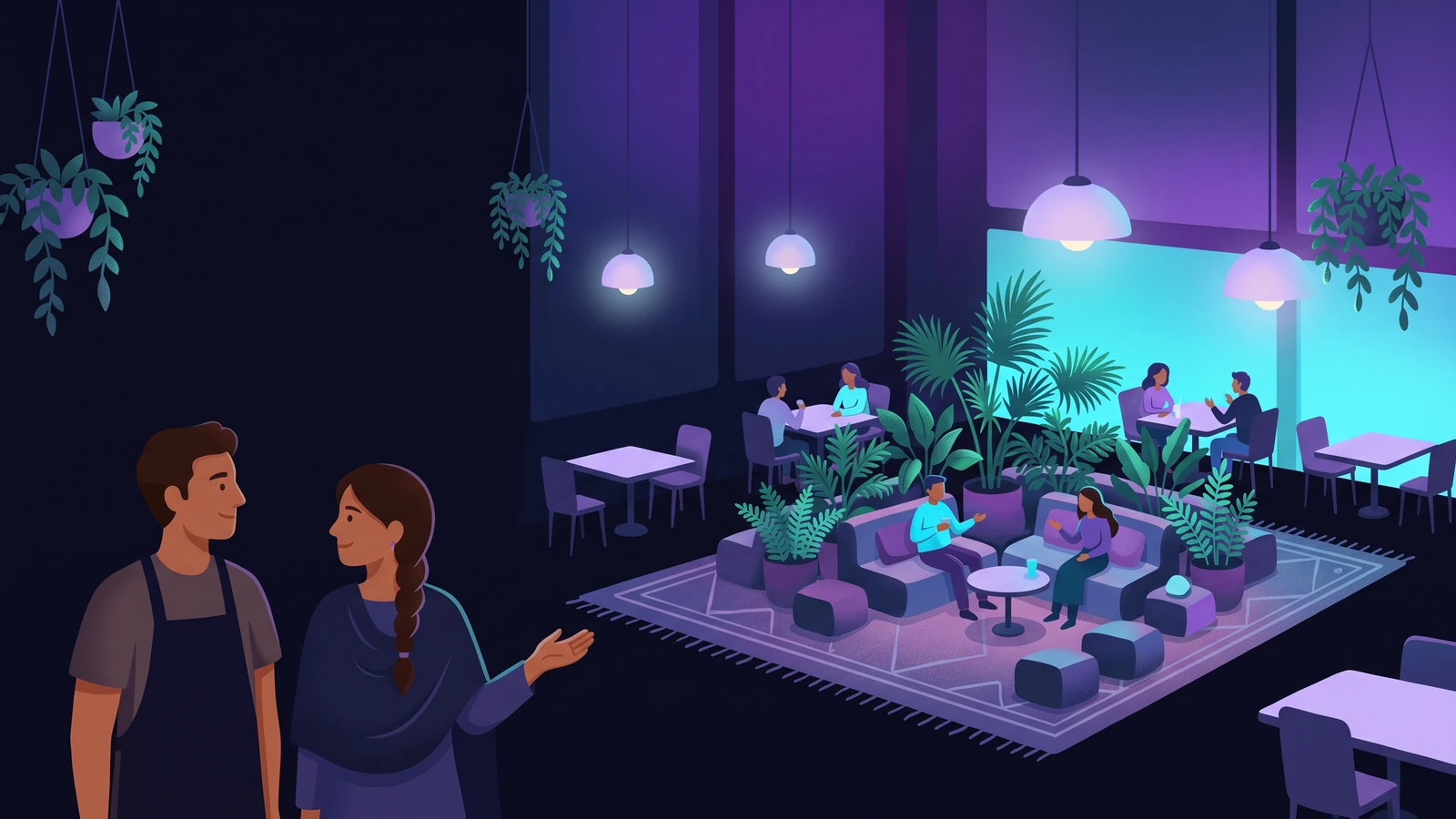
Your restaurant already has the footfall, the ambience, and the electricity. Here are 5 ways to turn that into extra income — without spending a single rupee upfront on at least two of them.
5 revenue streams that don't need capex
Most restaurant owners think "extra revenue" means expanding the menu, adding a new floor, or launching delivery. All of those need capital. But there are at least 5 revenue streams you can add to an existing restaurant using space and footfall you already have — and two of them require literally zero investment.
We've ranked them by ROI, starting with the one that costs nothing and pays the most per square foot.
1. AI photo booth (₹15K–30K/month)
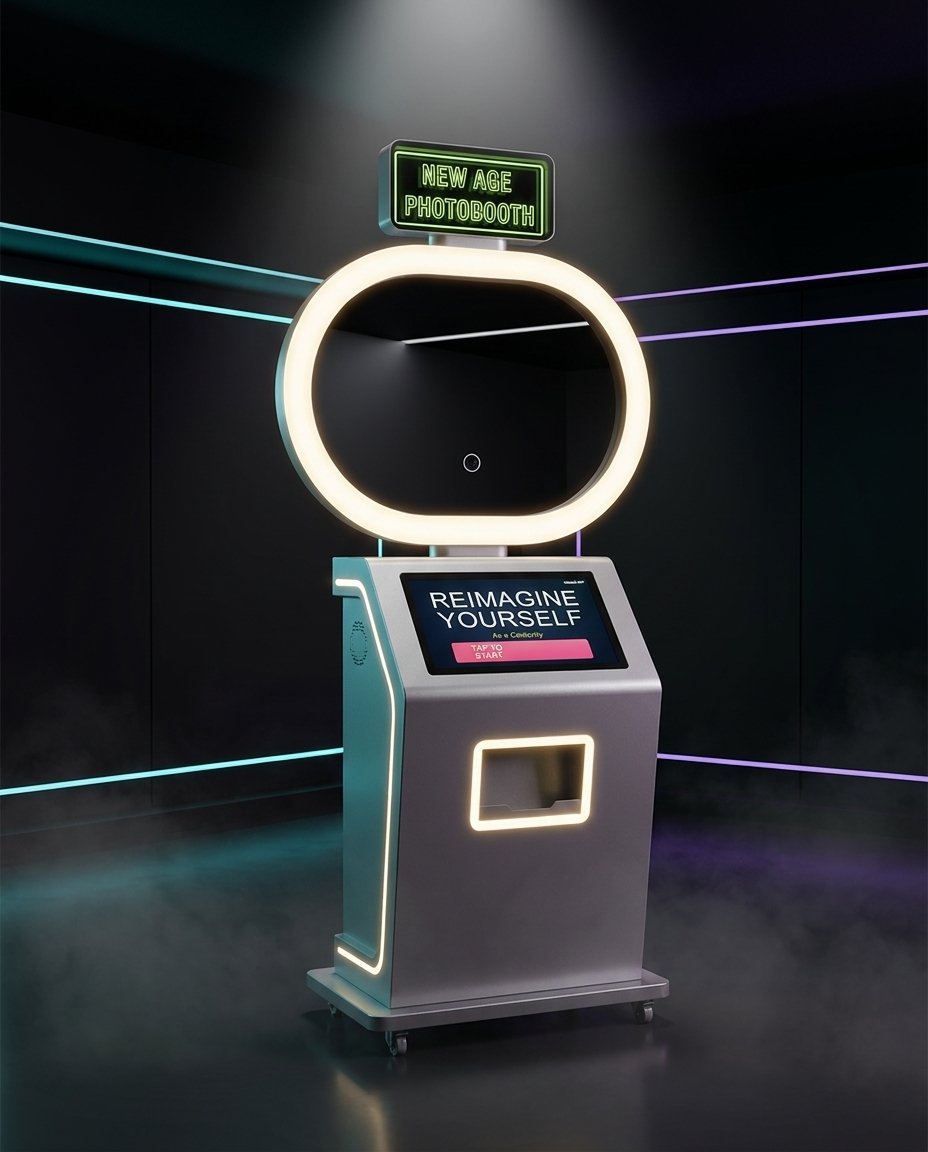
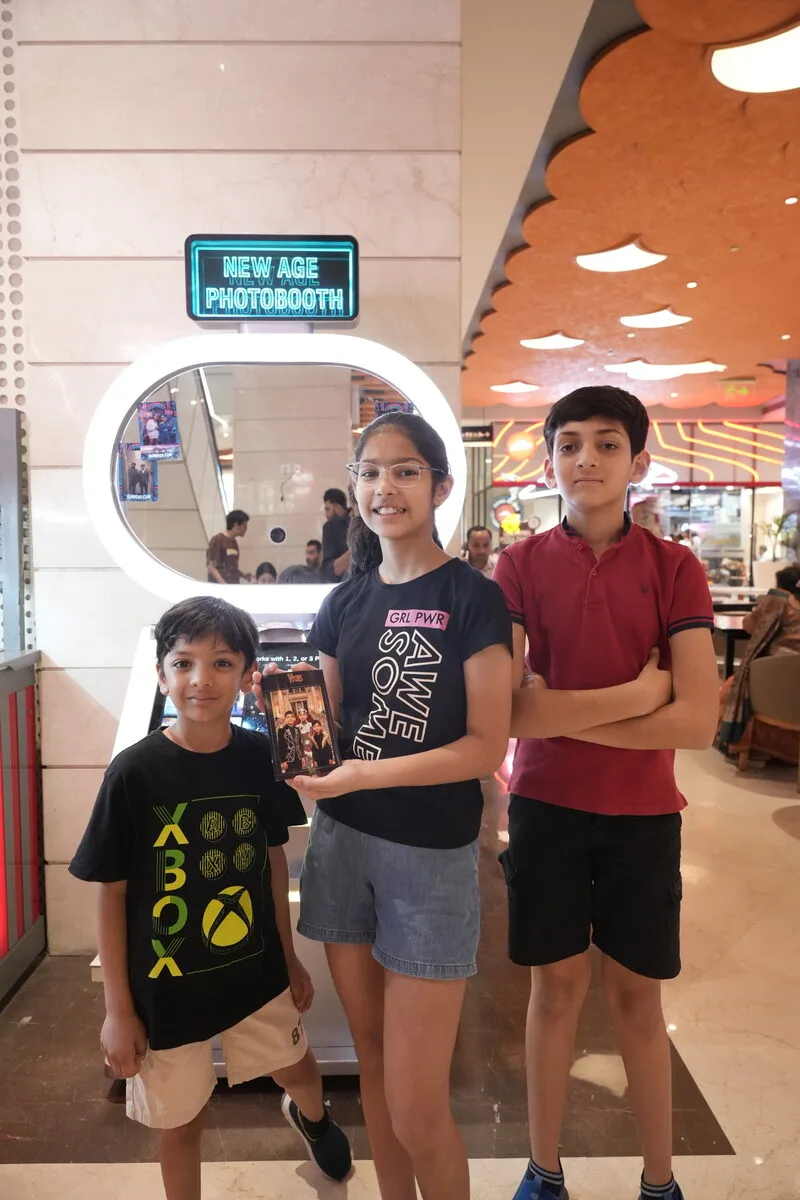
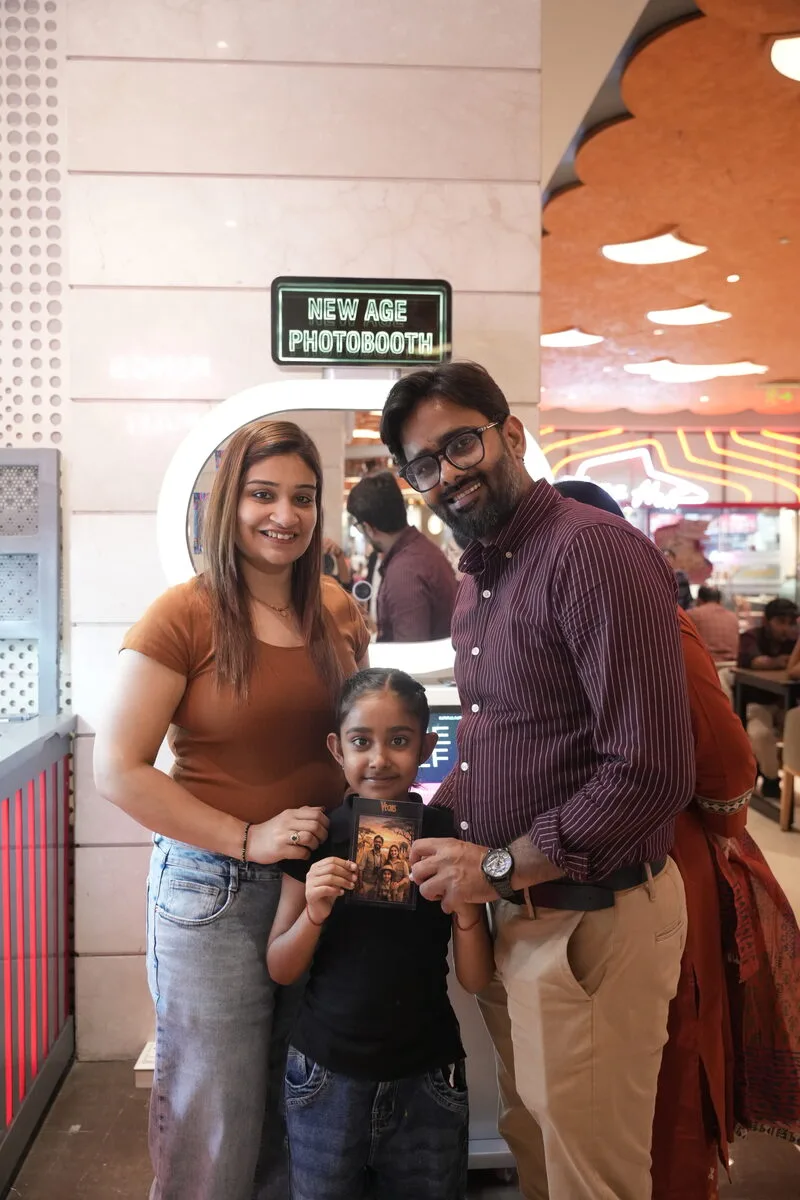
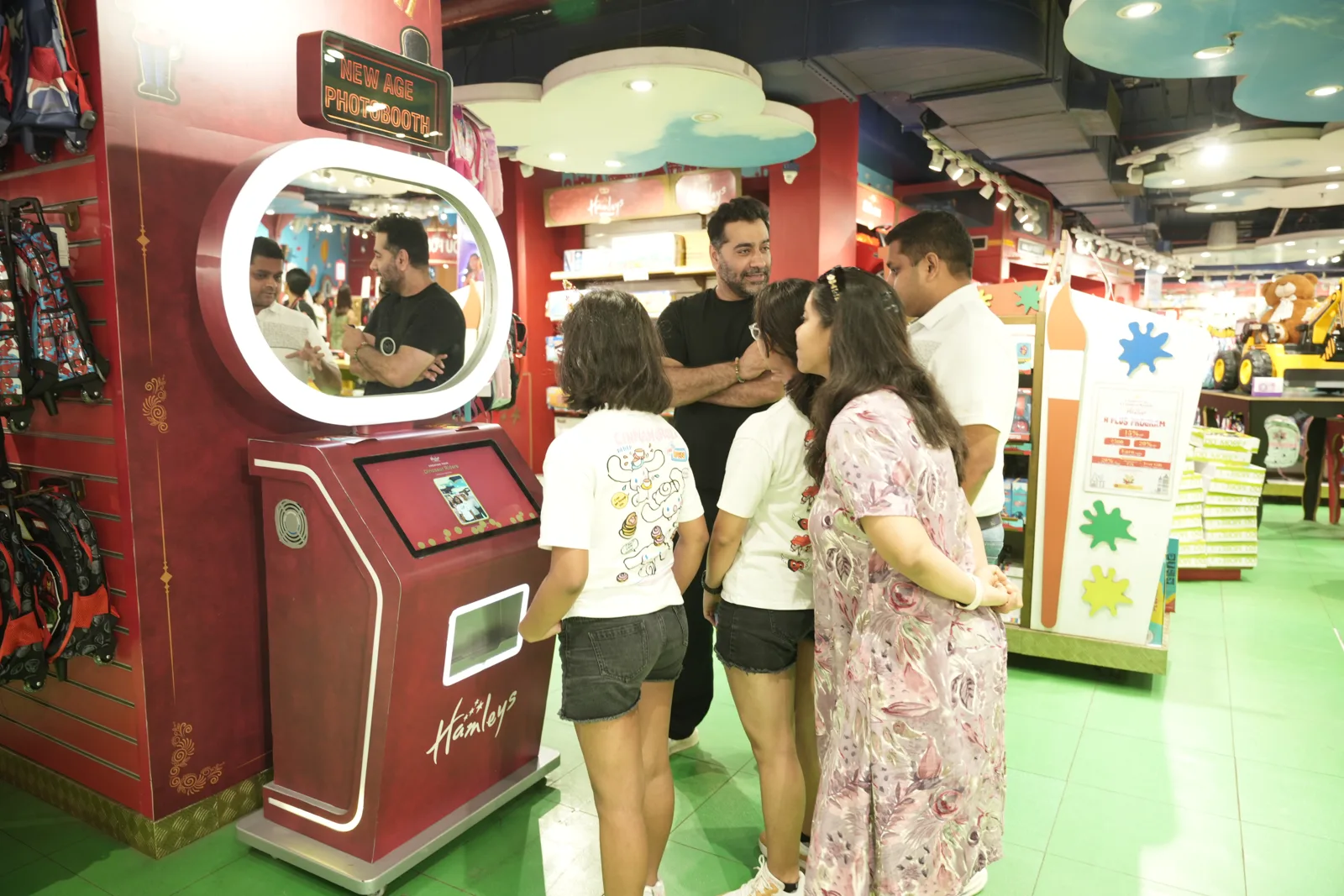
This is the highest-ROI option on this list because there is no machine to buy. Through the Bamigos Venue Partnership, a themed booth is leased to your restaurant at a low upfront cost and you pay per use, while Bamigos handles servicing, parts and software updates.
A Pikcha AI Photo Booth occupies just 6.3 sq ft. Venues typically charge guests ₹149 to ₹299 per session. Customers pay via UPI, take AI-transformed photos, and get instant prints with your restaurant's branding. It's completely self-service — no staff needed.
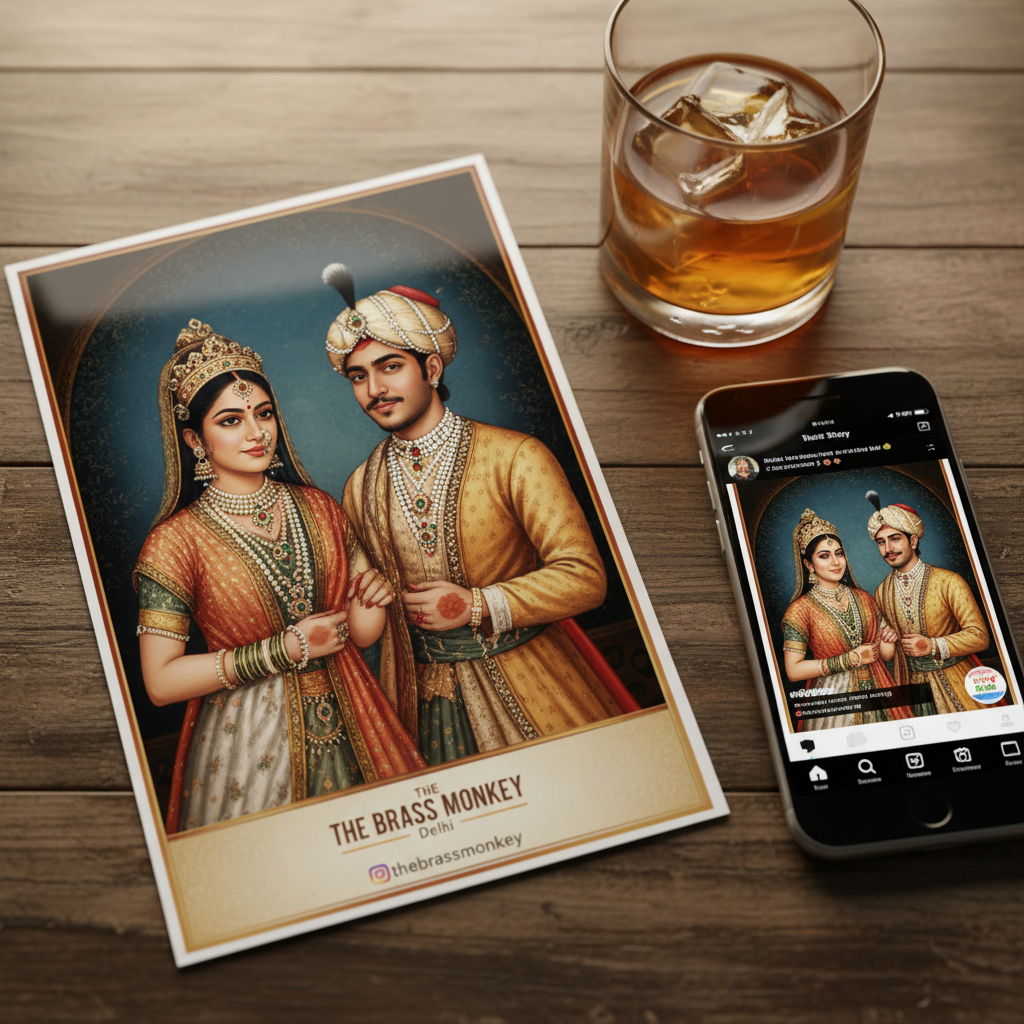 Concept render
The marketing value alone is worth it. Each printed photo averages 367 views across social media and WhatsApp shares. At an estimated ₹128 ad value per print, a booth doing 40 sessions/day generates ₹1.54 lakhs/month in equivalent advertising — advertising where your customers voluntarily put your restaurant's name on their Instagram stories.
Restaurants with a booth in the waiting area report the highest conversion rates. Customers waiting 15–30 minutes for a table on weekends are the perfect audience: they're bored, they're in a good mood (they chose to eat out), and they're already holding their phones.
Before: Empty corner near the entrance, customers scrolling their phones while waiting.
After: AI photo booth generating ₹15K–30K/month revenue + ₹1.5L/month in free marketing. Same corner, same 6.3 sq ft.
Before: Bar area dead zone — end of the counter unused, no seating, no revenue.
After: Photo booth becomes the evening's talking point. Groups take photos between drinks, share on Instagram with your restaurant tagged.
See how the Venue Partnership works →
2. Vending machine (₹5K–20K/month)
A vending machine near the exit or waiting area can earn ₹5K–20K/month selling beverages, snacks, or novelty items. The economics are straightforward: you either own the machine or partner with a vending operator who places it free and shares revenue.
The catch: vending machines require restocking, and the upfront cost ranges from ₹15K for a basic snack machine to ₹2L for a refrigerated beverage unit. Revenue depends heavily on product selection and footfall. A bar with late-night traffic does well with energy drinks and mints. A family restaurant does better with packaged snacks and bottled water.
ROI is lower than a photo booth because margins on packaged goods are thin (20–40%) and you need regular restocking. But it's passive income once set up, and customers appreciate the convenience.
3. Event hosting / private dining (₹20K–1L per event)
If you have a section that's underused on weekday afternoons or can be cordoned off on weekends, private dining and event hosting can bring in ₹20K–1L per event. Birthday packages are the easiest entry point — fixed menu, decoration, and a reserved section for 2–3 hours.
The revenue comes from a fixed per-head charge (₹500–2,000) plus minimum spend guarantees. A 20-person birthday at ₹1,000/head nets you ₹20K for a section that might otherwise seat 3–4 tables doing ₹8K–12K in regular dinner service.
Weekend brunches, corporate team lunches, and kitty parties are all variations of the same model: reserve space, set a minimum spend, and let the event subsidize your fixed costs during otherwise slow hours.
4. Branded merchandise (₹5K–15K/month)
T-shirts, tote bags, mugs, and coasters with your restaurant's logo or a catchy phrase. This works best for restaurants with a strong brand identity — the kind of place people post about on Instagram.
Production cost is low: ₹80–150 per t-shirt, ₹30–60 per mug, ₹20–40 per tote bag. Sell at 3–5x markup. A small display near the billing counter is enough — no dedicated retail space needed.
The real value isn't the merchandise revenue itself (₹5K–15K/month for most restaurants). It's the walking billboards. Every person wearing your restaurant's t-shirt or carrying your tote bag is free advertising in their neighbourhood, gym, and office.
Planning a Gaming Zone?
Get expert recommendations and pricing for your venue: including the Pikcha AI photo booth, a self-service photo attraction to evaluate for your venue. No obligation.
5. Ghost kitchen / cloud kitchen (₹30K–2L/month)
Your kitchen is already built, staffed, and running. Between 2 PM and 6 PM, it's probably operating at 30% capacity. A ghost kitchen uses that idle capacity to fulfil delivery orders under a different brand — sometimes your own, sometimes a virtual brand optimised for delivery platforms.
A North Indian restaurant might run a "biryani-only" delivery brand from the same kitchen. A cafe might add a dessert delivery brand. The additional cost is mostly packaging (₹15–30 per order) and platform commissions (25–35% on Swiggy/Zomato).
Revenue potential is the highest on this list — ₹30K–2L/month depending on your kitchen capacity and delivery demand in your area. But it also requires the most effort: menu development, platform onboarding, packaging, and delivery logistics.
Comparison: all 5 side by side
| Revenue stream | Upfront cost | Monthly revenue | Effort level | Marketing value |
|---|---|---|---|---|
| AI photo booth | Low (leased, pay per use) | ₹15K–30K | Zero (self-service) | Very high (367 views/print) |
| Vending machine | ₹15K–2L (or free with operator) | ₹5K–20K | Low (restocking) | None |
| Event hosting | ₹0–50K (decoration setup) | ₹20K–1L per event | Medium (coordination) | Medium (word of mouth) |
| Branded merchandise | ₹10K–30K (initial inventory) | ₹5K–15K | Low (display + sell) | High (walking billboards) |
| Ghost kitchen | ₹20K–1L (packaging + setup) | ₹30K–2L | High (operations) | Low |
The photo booth wins on effort-to-revenue ratio because it requires zero staff, zero stocking, and zero operational overhead. The ghost kitchen wins on absolute revenue potential but demands significant ongoing effort. Most restaurants should start with the zero-effort option (photo booth) and layer on others as bandwidth allows.
Frequently asked questions
Start with the lowest-effort option
Lease a themed Pikcha AI Photo Booth for your restaurant at a low upfront cost and pay per use. We design, install and maintain it.
Apply for a Site Review →