Quick summary: Most "best franchise business in India under ₹10 lakh" listicles are 80% food franchises (chai, samosa, ice cream, cloud kitchens). Food works — but it requires daily ops, staff, perishables, and food-safety compliance. For an operator who wants a passive-income asset that runs unattended, three non-food options dominate the under-₹10L tier: a Pikcha AI photo booth (₹3.5-6.5L, ₹1.2-3.75L monthly gross), vending machines (₹15K-2L per unit, ₹15-50K monthly net), and self-service kiosk franchises (₹3-8L, ₹50K-1.5L monthly net). This post compares all four classes — food, vending, kiosk, photo booth — on capex, revenue, payback, and operator effort, with real numbers and the unit-economics that listicles skip.
Looking for the full ranked list of franchises under ₹10 lakh? See our 8 best franchises under ₹10 lakh.
What is the best passive-income franchise business in India under ₹10 lakh?
For operators who want passive cash flow without daily on-site presence, the best franchise business in India under ₹10 lakh is a Pikcha AI photo booth (₹3.5-6.5L) — it generates ₹1.2-3.75 lakh monthly gross, runs unattended via UPI payments, and requires no staff or perishables. Vending machines (₹15K-2L per unit) are the lower-capex option but cap at ₹15K-50K monthly net per machine. Kiosk franchises (₹3-8L) bridge the gap but typically need 1-2 staff. Food franchises in this price tier (chai, samosa, ice cream) generate ₹1.5-2.5L gross monthly but require daily restocking, 1-3 staff, and 30-40% margin after food costs — not truly passive. The right choice depends on capital, operator time, and venue type — the comparison table below gives the full picture.
The four franchise classes available in India under ₹10 lakh
Most "franchise business under 10 lakhs" content lumps every option into one listicle. They're materially different products. Here's the honest taxonomy:
1. Photo booth franchise (Pikcha-class) — ₹3.5-6.5 lakh capex
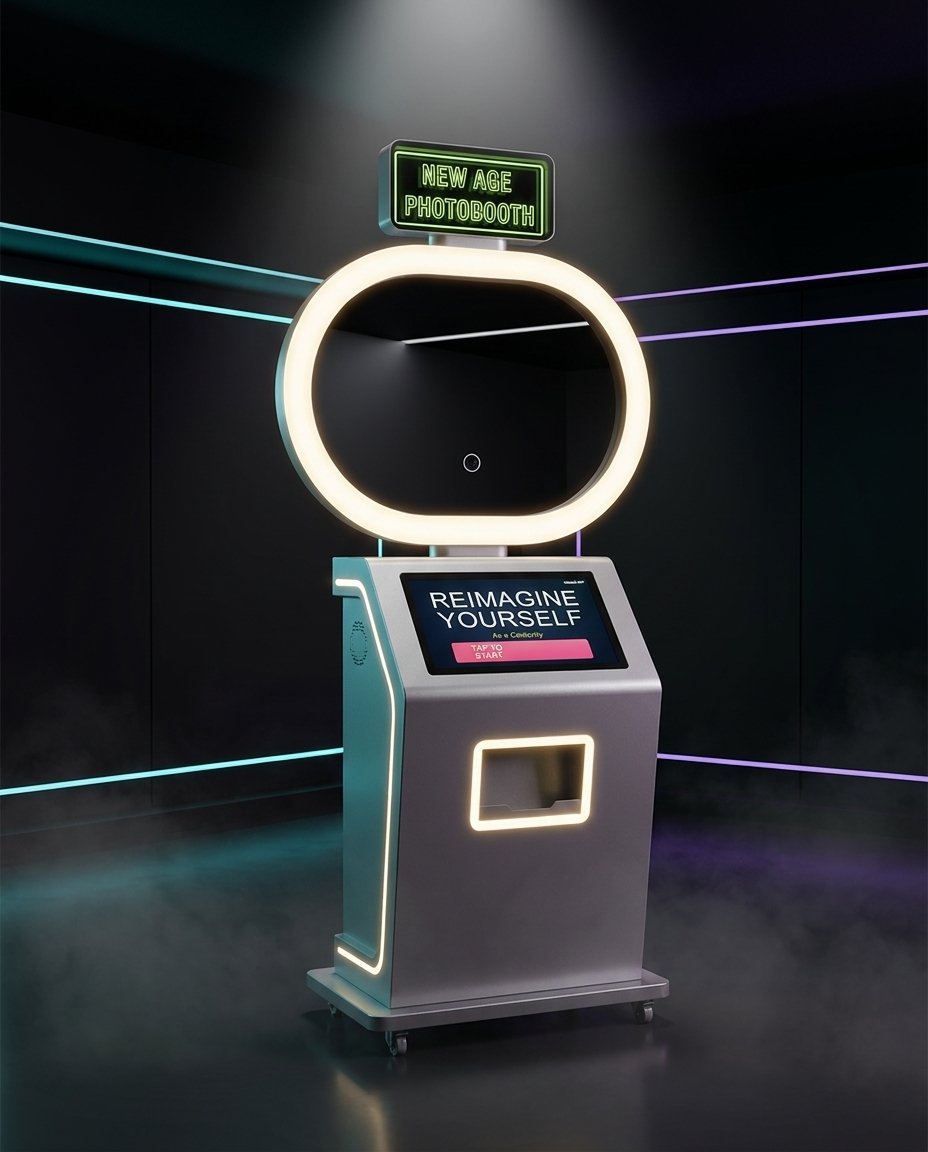
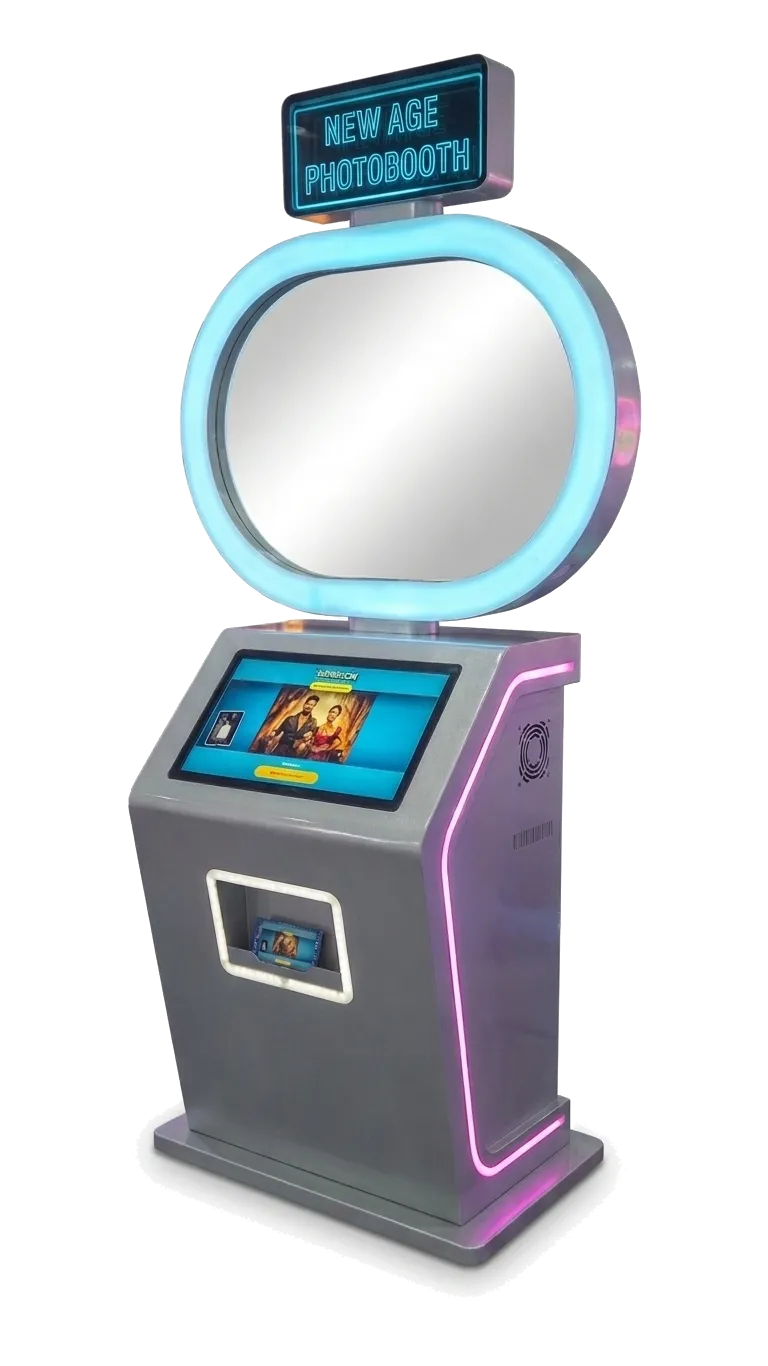
Self-service AI photo booth deployed at malls, gaming zones, hotels, and event venues. Generates ₹150-250 per session at 50-100 sessions/day. Runs unattended via UPI payments. Operator manages via fleet dashboard + phone alerts. Closest analog: vending machine business with 8-10× per-session revenue.
2. Vending machine business — ₹15K-2 lakh per unit
Snack, beverage, ice-cream, or full-meal vending at offices, malls, hostels, factories. Generates ₹15-30 per transaction at 50-200 transactions/day. Self-service. Operator restocks weekly. Most established passive-income physical asset class in India.
3. Kiosk / cart franchise — ₹3-8 lakh capex
Self-contained branded retail unit: bubble tea, coffee, momos, juice, ice-cream, mobile accessories. Typically requires 1-2 staff. Brand provides supply chain + marketing + operating playbook. Operator runs the unit. Cash flow stronger than vending but not passive.
4. Food franchise — ₹2-10 lakh capex
Chai, samosa, kulfi, ice-cream parlour, juice bar, cloud kitchen. Established brands offer franchise units in this tier. Generates ₹1.5-2.5 lakh gross monthly but requires daily restocking, 1-3 staff, food-safety compliance, perishable management. Margin lands at 30-40% after food costs and staff. Net monthly cash flow ₹50K-1.5L.
Photo booth vs vending vs kiosk vs food — full comparison
| Metric | Pikcha photo booth | Vending machine | Kiosk franchise | Food franchise (sub-₹10L) |
|---|---|---|---|---|
| Capex per unit | ₹3.5-6.5L + GST | ₹15K-2L | ₹3-8L (varies by brand) | ₹2-10L |
| Per-transaction revenue | ₹149-299 | ₹15-30 | ₹50-200 | ₹30-200 |
| Daily transactions (busy venue) | 50-100 | 50-200 | 80-300 | 50-300 |
| Monthly gross revenue | ₹1.2-3.75L | ₹50K-1.2L | ₹1.2-3L | ₹1.5-2.5L |
| Margin | 50-65% | 30-50% | 40-55% | 30-40% (after food + staff) |
| Monthly net per unit | ₹1L-2.5L | ₹15K-50K | ₹50K-1.5L | ₹50K-1.5L |
| Payback timeline | 6-14 months | 12-18 months | 12-24 months | 18-36 months |
| Staff required | None (self-service) | None (self-service) | 1-2 typical | 1-3 typical |
| Daily operator effort | Zero (alerts only) | 0.5-2 hrs/week per unit (restock) | 2-4 hrs/day on-site | 4-8 hrs/day on-site |
| Perishables / inventory | None (printer paper monthly) | Snacks/drinks weekly | Variable | Daily perishables |
| Cash handling | None (UPI auto-settle) | Yes, weekly | Daily | Daily |
| Compliance overhead | GST + trade licence + entertainment NOC | GST + trade licence | GST + trade licence + brand SOPs | GST + trade licence + FSSAI + food-safety + brand SOPs |
| Tech refresh path | Continuous AI updates | None | Brand-driven (annual) | Brand-driven (annual) |
| Software backend | Operator dashboard + fleet alerts | None typical | Brand POS + reporting | Brand POS + inventory |
| Scale path (5+ units) | Software-leveraged (1 operator) | Linear (each unit adds ops) | Linear (each unit adds staff) | Linear (each outlet adds full setup) |
Two patterns the table makes obvious. First: capex doesn't determine cash flow. A ₹4L Pikcha generates 4-5× the monthly net of a ₹4L food franchise, despite identical capital. The driver is operations leverage, not capex efficiency. Second: "passive income franchise" is a real category — but only photo booths and vending machines actually meet the definition. Kiosk and food franchises are operator-intensive even when called "franchise" in marketing.
Why operators choose photo booth franchises over food
The clearest argument for a photo booth franchise model is the same as the argument for vending: self-service. The video below shows real customers using a Pikcha booth at a tier-1 Delhi NCR mall — with no operator present. Customers approach, scan UPI, choose an effect, get the print. The booth handles the rest.
A food franchise serving the same per-day customer count would need 1-3 staff present from open to close, with morning ingredient prep + evening cleanup + daily inventory. A vending machine matches Pikcha on the unattended dimension but trails on per-session revenue. A kiosk franchise sits in the middle — no full kitchen, but staff still required.
The hidden cost of food-franchise operator effort
The ₹50K-1.5L monthly net on a sub-₹10L food franchise looks comparable to a kiosk franchise on paper. The operator effort is materially different.
A typical chai or samosa franchise unit looks like this:
- 4 AM-6 AM: ingredient pickup + prep at the unit
- 7 AM-11 PM: full operating hours, 1-3 staff present
- 11 PM-12 AM: cleanup + inventory + cash close
- Sundays: typically a half-day or full off, but inventory + supplier coordination still consumes 2-4 hours
- Monthly: staff payroll, FSSAI compliance updates, brand royalty payments, supplier negotiations, marketing campaigns
Compare to the operator effort on a 3-booth Pikcha fleet:
- Daily: zero. Booths self-monitor; operator's phone is silent unless an alert fires.
- Weekly (3 booths total): ~30-60 minutes — typically one ribbon refill or printer cleaning across the fleet.
- Monthly: 2-3 hours — light maintenance + reviewing the fleet dashboard + responding to any custom-effect requests from venues
A food franchise generates similar monthly net at 30-50× the operator hours. For someone evaluating "passive income franchise" — that gap is the entire reason the comparison matters.
Real installation: what a Pikcha franchise venue actually looks like
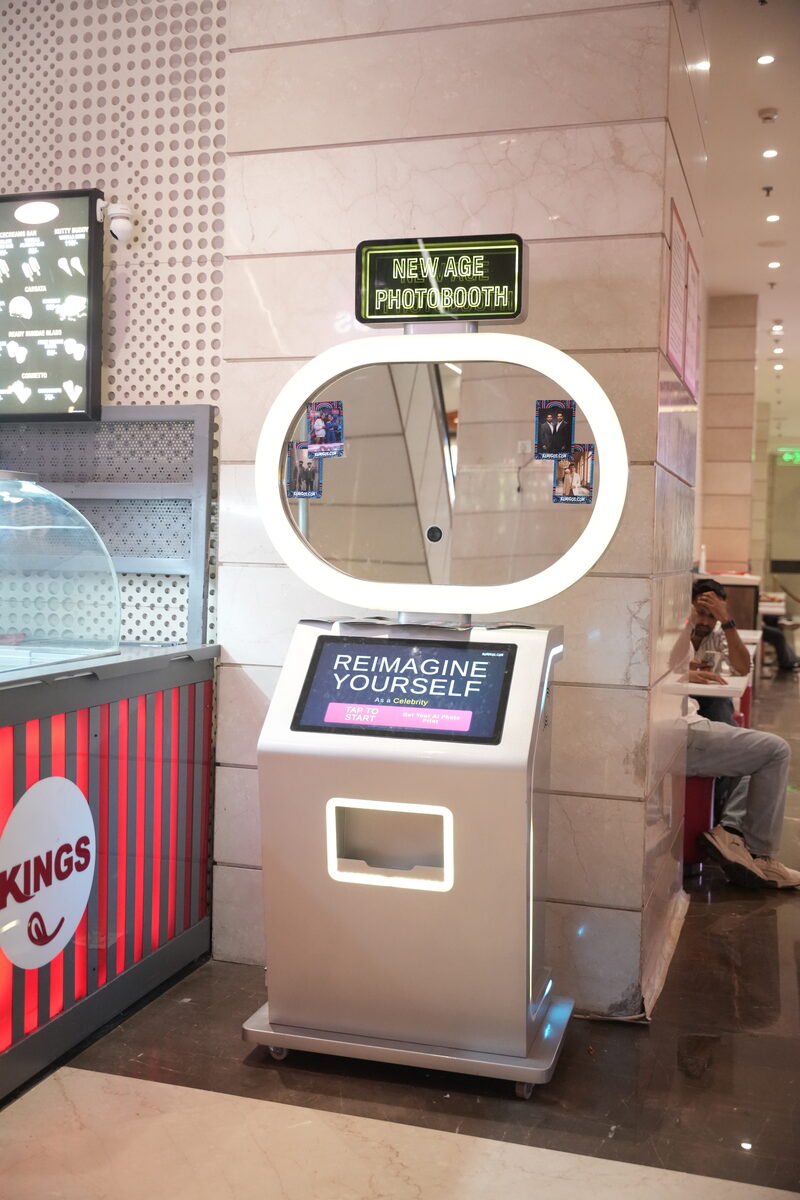
The venue economics for a photo booth franchise differ from food franchise placements. Photo booth venues are usually high-footfall consumer destinations: malls, gaming zones, hotels, FECs, college campuses with heavy event traffic. Food franchise placements are also high-footfall but include utilitarian venues (offices, transit hubs) where photo booths don't fit.
A 6.3 sq ft Pikcha footprint fits next to a pillar in a mall corridor. A food franchise unit needs 80-200 sq ft for kitchen + counter + dining. Per-square-foot revenue strongly favours photo booths in venues where space is the constraint.
What the customer is actually paying for
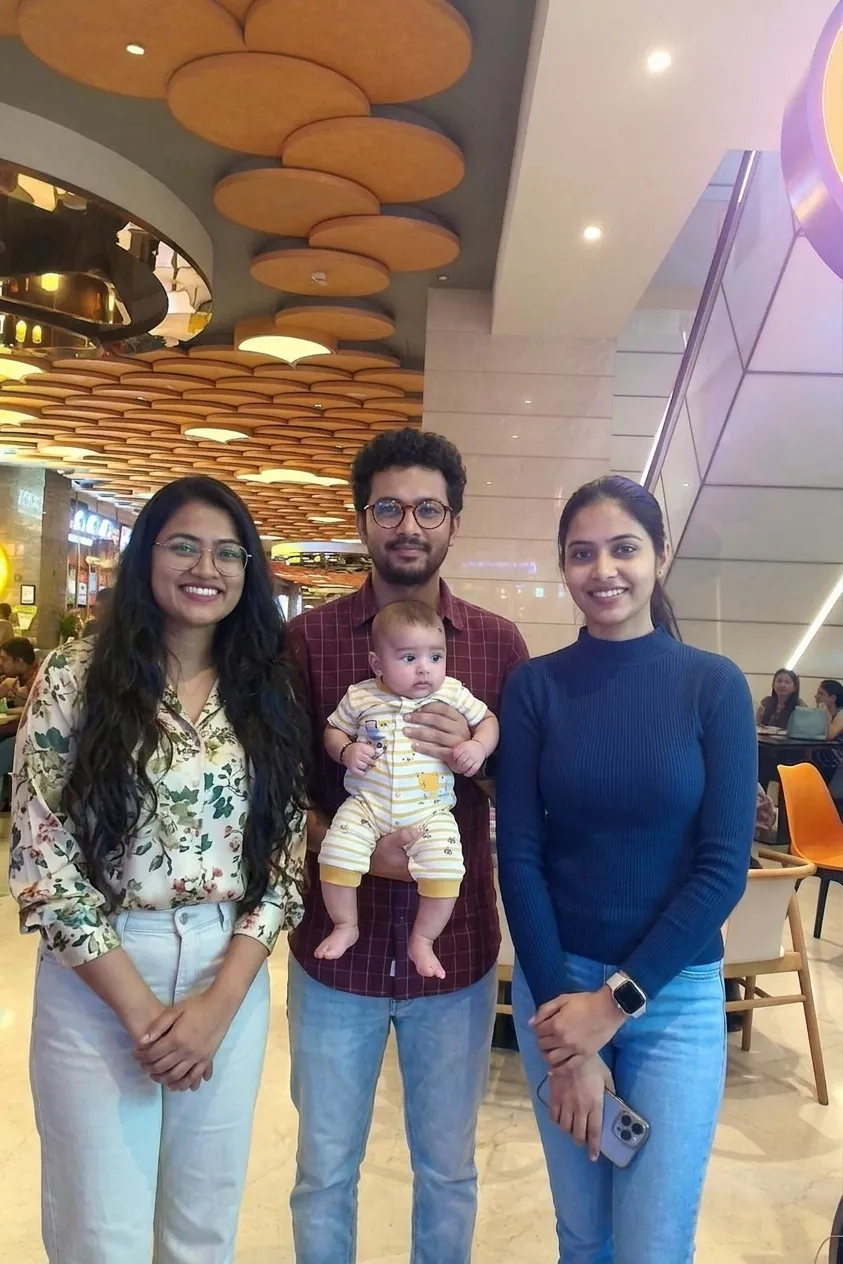
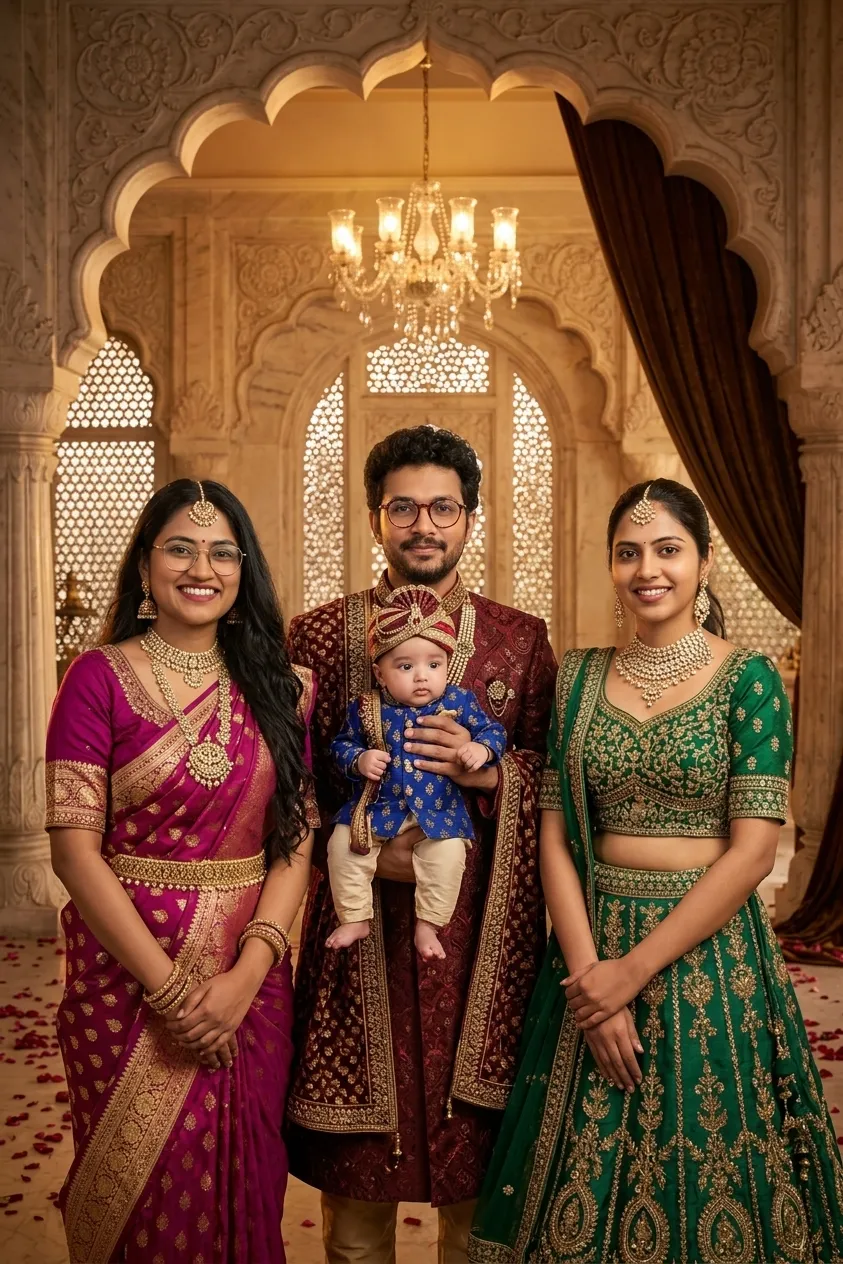
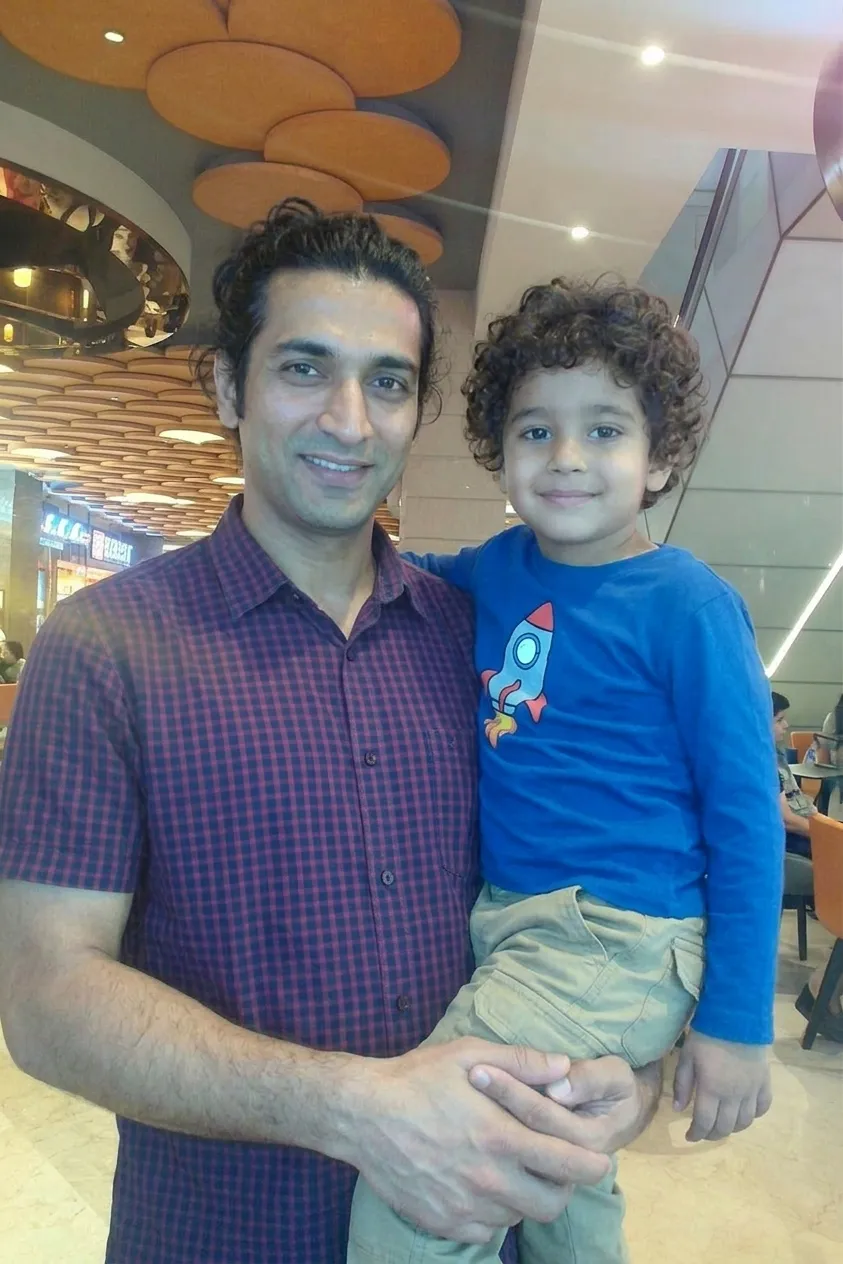
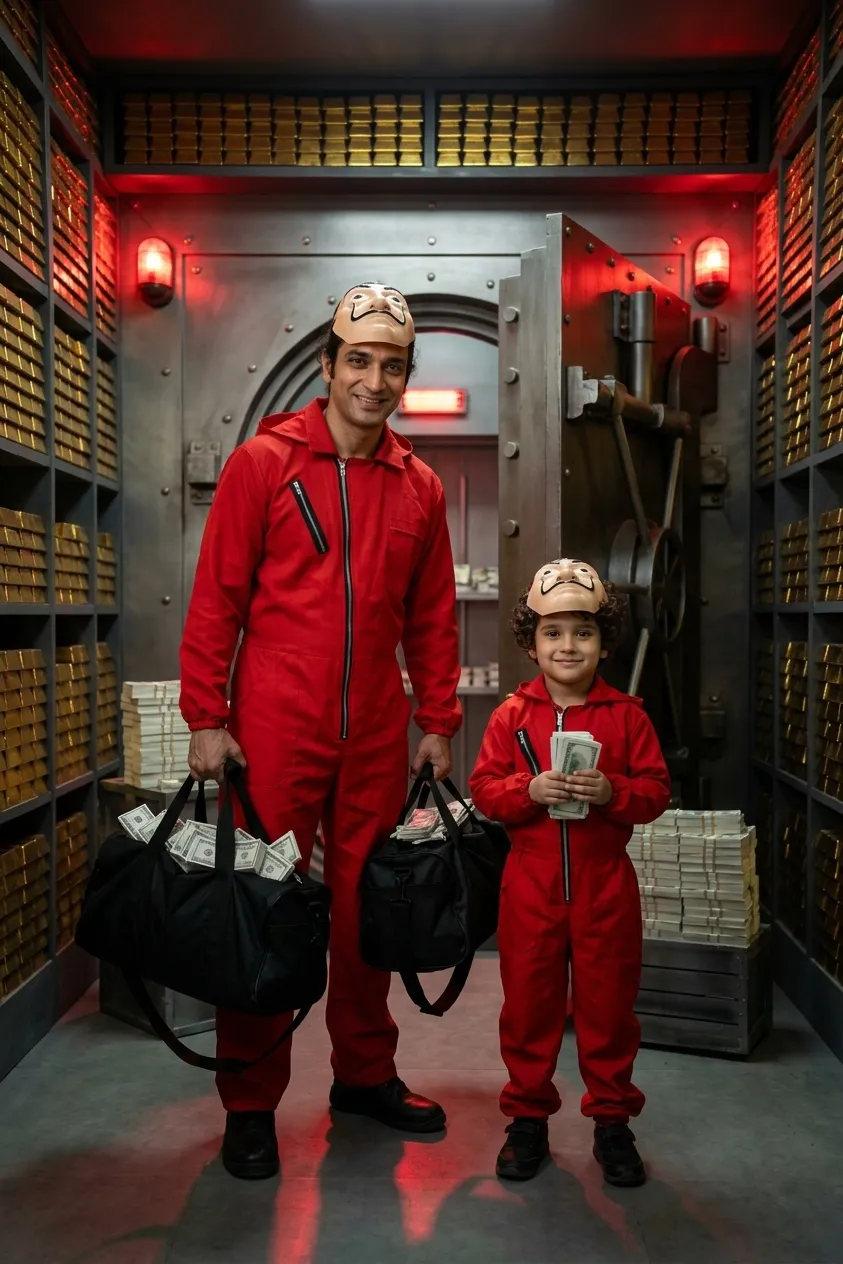
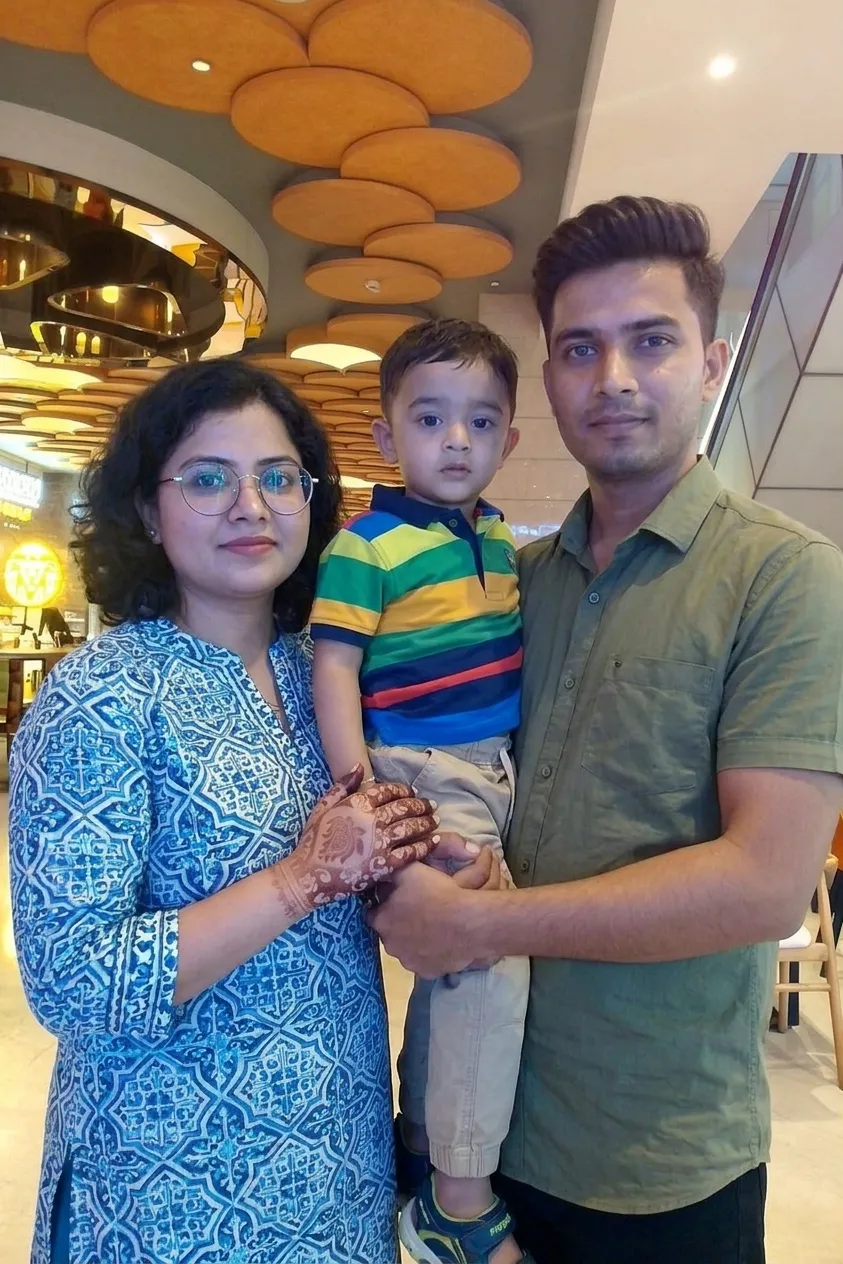
A vending-machine snack costs ₹20 because it's a commodity. A food franchise serves ₹50-150 items because the food is the value. What does ₹150-250 buy at a Pikcha photo booth? An AI-transformed photo of the customer — Royal Mughal portrait, Bollywood film poster, traditional wedding lehenga overlay, Korean 4-cut style, pose-with-celebrity composite. The print is the souvenir; the digital photo is the social-media artefact.
Before
After — AI transformed
Before
Planning a Gaming Zone?
Get expert recommendations and pricing for your venue: including the Pikcha AI photo booth, a self-service photo attraction to evaluate for your venue. No obligation.
After — AI transformed
Before
After — AI transformed

The social-share leverage is what makes the photo booth franchise economics work. Each session generates 5-10 social media posts on average — Instagram stories, WhatsApp statuses, Snapchat — most tagging the venue. That's free, organic discovery for the venue and recurring repeat-visit demand for the booth. A food franchise generates near-zero shareable content per transaction.
How to pick: the decision framework
The choice among these four franchise classes comes down to four operator inputs.
Input 1: Available capital
- Below ₹2 lakh: vending machine territory only
- ₹2-3.5 lakh: small kiosk franchise OR multiple vending machines
- ₹3.5-6.5 lakh: Pikcha photo booth becomes available; also covers larger food/kiosk franchises
- ₹6.5-10 lakh: Pikcha Pro tier, OR multi-unit vending fleet, OR kiosk franchise upgrade tier
Input 2: Operator time per week
- 0-3 hours/week: Pikcha (alerts only)
- 3-10 hours/week: Vending fleet OR Pikcha + side income
- 20+ hours/week: Kiosk franchise feasible
- 40+ hours/week: Food franchise viable
Input 3: Target venue
- Tier-1 mall food court / gaming zone / hotel: Pikcha wins on revenue per session
- Office cafeteria / hostel: vending wins (no entertainment intent)
- High-street retail: kiosk franchise (visibility) or food franchise (impulse buy)
- Tier-2/3 city retail: food franchise dominates (lower per-transaction price fits)
Input 4: Risk tolerance
- Lowest risk: vending (proven, but capped revenue)
- Lowest operator-time risk: Pikcha (passive, software-managed)
- Highest absolute revenue: high-volume food franchise (but with maximum operator effort)
- Brand-attached growth: kiosk or food franchise (brand handles supply chain + marketing)
Frequently asked questions
What is the best franchise business in India under ₹10 lakh?For passive income with minimal operator time: Pikcha AI photo booth (₹3.5-6.5L, ₹1.2-3.75L monthly gross). For lower capex with proven model: vending machine business (₹15K-2L per unit). For brand-attached retail: kiosk franchise (₹3-8L). For full-time operator running a business: food franchise (₹2-10L). The choice depends on capital, available time, and target venue.
Which franchise is most passive in India?Pikcha photo booth is the most passive — fully self-service via UPI, alerts via phone for any operational issue, fleet management dashboard for multi-booth operators, no staff or perishables. Vending machines are a close second — also self-service but require weekly restocking. Kiosk and food franchises are NOT passive; both need on-site staff and daily ops.
What is the lowest investment franchise in India?Vending machines start at ₹15,000 per unit (small snack vending). Below that, only product-distribution or pure agency-style franchises exist (Amway, Tupperware, etc.) which are sales-driven, not passive-asset. For an actual deployable physical asset, vending is the floor.
How much can I earn from a photo booth franchise in India?₹1.2-3.75 lakh monthly gross revenue per Pikcha booth at busy venues, ₹1-2.5 lakh monthly net after rent + AMC + content refresh. Payback typically 6-14 months on the ₹3.5-6.5 lakh capex.
Is Pikcha a franchise or direct-from-manufacturer purchase?Direct from manufacturer (Bamigos in Delhi). There's no franchise fee — you buy the unit and run it as your own business. Multi-unit operators can access volume pricing on the Pikcha Pro tier. Bamigos provides delivery, install, training, fleet dashboard, AI updates, and warranty service. For the multi-unit model details, see Photo Booth Franchise India.
Can I run a photo booth franchise as a side business while keeping a full-time job?Yes, this is a common model. Operators with full-time jobs typically run 1-3 Pikcha booths. The fleet management dashboard + phone alerts let them attend to issues from anywhere. Total weekly operator time on a 1-3 booth fleet is typically 1-3 hours.
What's the cheapest franchise in India that's still passive income?Vending machines (₹15K-50K for snack vending) are the cheapest truly-passive entry. Pikcha photo booth at ₹3.5L is the cheapest passive option with materially higher monthly cash flow per unit.
Are food franchises in India under ₹10 lakh actually profitable?Yes — but they require full-time operator presence + 1-3 staff. Net monthly cash flow ₹50K-1.5L after food costs (50-60% of gross), staff salaries, rent, brand royalty. Margin is structurally lower than non-food alternatives because food costs eat half the revenue. Food franchises work for operators who want to be in the business full-time, not for those seeking passive income.
Can I get bank financing for a photo booth franchise purchase?Yes. Most operators use MSME business loans for photo-booth purchases — the ₹3.5-6.5L price fits standard MSME term-loan products at most banks. The ROI math (6-14 month payback at busy venues) typically passes lender stress tests. Bamigos can introduce financing partners; contact us for details.
Do photo booth franchise venues in India have a track record?The AI photo booth product category is recent (2022 onwards globally; Pikcha launched 2022 by Bamigos). Operators who've deployed are mostly in tier-1 metros — malls, gaming zones, premium hotels. Real revenue numbers in the ₹1.2-3.75L/month range at high-footfall venues are now standard expectations. The category is maturing fast as operators discover the unit-economics gap vs vending and food.
Authoritative sources
- Ministry of MSME — small-business policy framework for all franchise classes
- Startup India — registration, recognition, and government schemes
- FSSAI — food-safety licensing required for food franchises (not photo booth or vending)
- GST Council — input tax credit framework on capex purchases
Next steps
If you're evaluating a franchise business in India under ₹10 lakh:
- Honestly score your weekly time availability. If under 5 hours, only Pikcha and vending realistically work.
- Map capital to expected monthly net using the comparison table above.
- Identify your target venue category — entertainment vs retail vs utilitarian. Each suits a different franchise class.
- For Pikcha specifically: get a venue-specific quote with the unit-economics model. Contact Bamigos or message us on WhatsApp.
For more depth:
- Photo Booth Machines India — Pikcha product overview
- Pikcha pricing — three tiers from ₹3.5L
- Photo Booth Franchise India — multi-unit operator path
- Pikcha vs Vending Machine — full unit-economics comparison
- Pikcha vs imported Alibaba booth
- How to start a photo booth business in India