![Korean Photo Booth Business in India: The 4-Cut Trend Explained [2026]](/uploads/korean-photo-booth-business-india-4-cut-trend-guide.webp)
What Are Korean Photo Booths?
Korean photo booths — known as "four-cut" or "인생네컷" (insaeng neket) booths — are self-service, unmanned photo kiosks that produce vertical strips of 4, 6, or 8 studio-quality photos. Unlike traditional event photo booths, these use DSLR cameras, continuous LED studio lighting, and dye-sublimation printers to deliver clean, film-look photographs with themed frames and aesthetic filters.
The concept originated in Japan's purikura culture in the mid-1990s, but the modern version was reinvented in South Korea around 2017. Korean booths stripped away the heavy stickers and flashy filters in favour of natural, studio-quality photography — closer to Polaroid aesthetics than carnival novelty. By 2024, South Korea had over 3,000 self-photo studios operating across roughly 50 brands.
How the Process Works
A typical session takes 1-2 minutes:
- Payment — cash, UPI, or card at the kiosk
- Frame selection — choose from 4-cut, 6-cut, or 8-cut layouts on the touchscreen
- Filter selection — preset options like Natural, Vintage, Pink, Black & White
- Photo capture — countdown timer, DSLR fires automatically with LED fill lighting
- Preview — see shots on screen
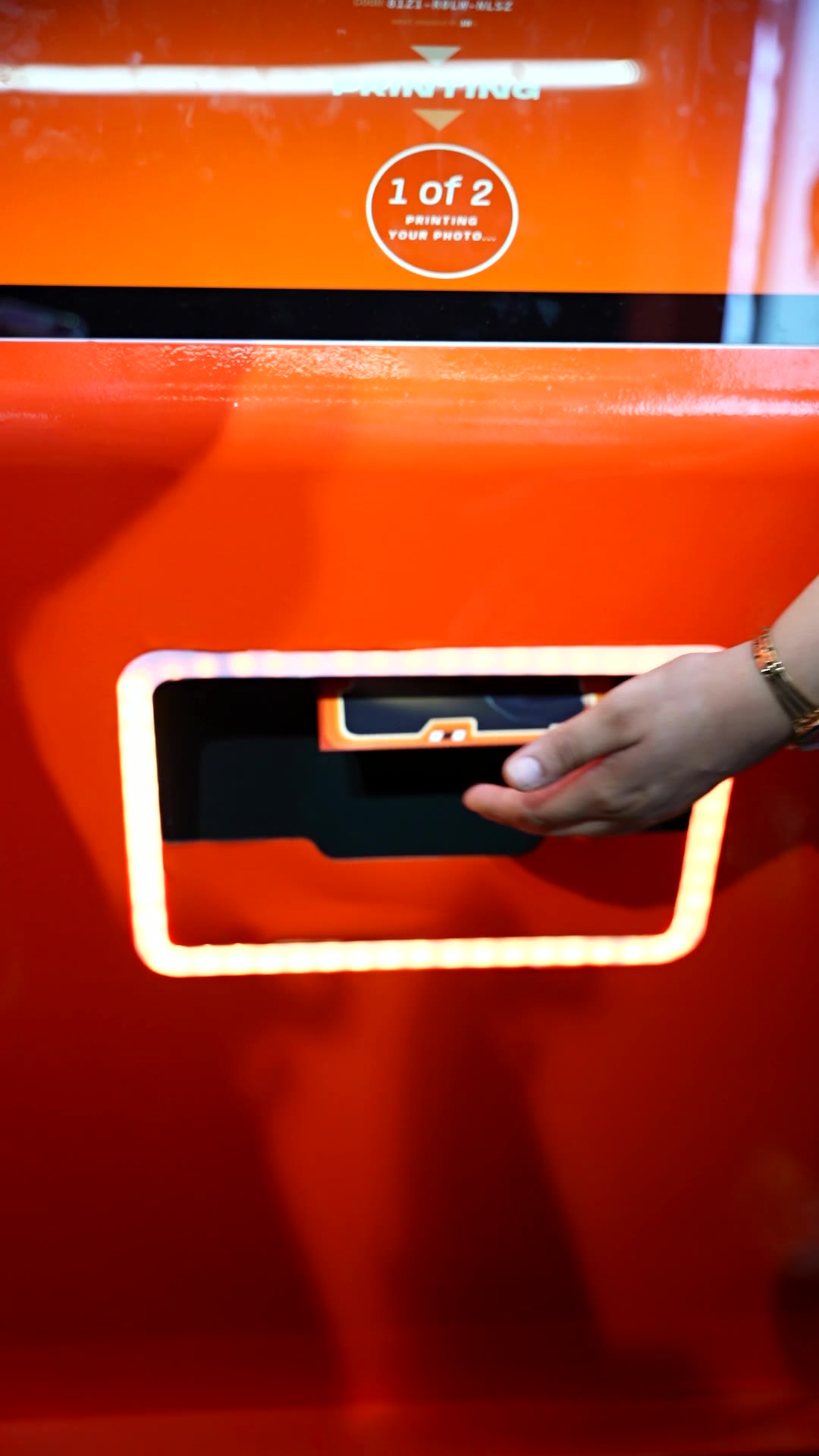
- Printing — dye-sublimation printer produces strips in ~15 seconds, two copies by default
- Digital delivery — QR code on screen for high-resolution downloads to smartphone
Why This Is Booming in India
India is one of the world's fastest-growing markets for Korean cultural products. The numbers tell the story:
- 18.6 hours/month — average Korean content consumption per Indian consumer (highest globally)
- 84.5% favourability toward Korean content among Indian respondents
- 370% surge in Netflix K-drama viewership in India (2019–2020)
- 6.2 billion K-pop streams from India in 2023
- 15+ million consumers of Korean cultural products in India
- 176,668 Indian tourists visited South Korea in 2024 (44% increase over 2023)
- 58.9% of people with Korean content exposure are willing to pay for Korean products/services (up from 44.1% in 2020)
India now produces more Hallyu-related media coverage than any other country — nearly double the United States. Korean is taught as a foreign language in Indian schools since the 2020 National Education Policy.
Equipment and Setup Costs
Korean-style photo booth kiosk (complete unit)₹1,50,000 – ₹5,00,000 DSLR/mirrorless camera (if separate)₹40,000 – ₹80,000 Dye-sublimation printer₹50,000 – ₹1,00,000 Touchscreen display + computer₹30,000 – ₹60,000 LED studio lighting₹15,000 – ₹40,000 Payment terminal (UPI + card)₹10,000 – ₹25,000 Software licensing₹20,000 – ₹50,000/year Interior fit-out, branding, signage₹1,00,000 – ₹3,00,000 Props, backdrops, accessories₹20,000 – ₹50,000 CCTV + security₹10,000 – ₹25,000 Single-booth setup total₹3,50,000 – ₹6,00,000 3-4 booth shop (recommended)₹8,00,000 – ₹15,00,000Running costs depend on your print volume and paper choice. Ask us for the numbers for your venue.
Session Pricing for India
- Basic 4-cut strip (2 copies): ₹100 – ₹200
- Premium frames (special/seasonal): ₹200 – ₹300
- 6-cut or 8-cut strip: ₹150 – ₹300
- Digital-only (no print): ₹50 – ₹100
- Extra copies: ₹50 each
For reference, standard pricing in South Korea is approximately 4,000 KRW (~₹250) for a basic 4-cut session with two copies.
Gross margin per session: Depends on your print volume and paper choice. Ask us for the numbers for your venue.
Revenue Projections by Location
Premium mall (4 machines)120–200₹5,40,000 – ₹9,00,000₹2,00,000 – ₹3,50,000₹3,40,000 – ₹5,50,000 Mid-tier mall (3 machines)60–105₹2,70,000 – ₹4,72,000₹1,00,000 – ₹1,80,000₹1,70,000 – ₹2,92,000 College area (2-3 machines)30–90₹1,35,000 – ₹4,05,000₹60,000 – ₹1,20,000₹75,000 – ₹2,85,000 Tourist spot (3 machines)75–120₹3,37,000 – ₹5,40,000₹1,20,000 – ₹2,00,000₹2,17,000 – ₹3,40,000With a setup cost of ₹8–15 lakh and monthly profits of ₹1.5–5.5 lakh, breakeven is achievable in 3–10 months depending on location and footfall.
Who Is Your Customer?
Primary target (highest conversion):
Starting a Photo Booth Business?
Get AI photo booth pricing and ROI details from our team. No obligation.
- Age 15–24 (Gen Z, digital natives, K-culture enthusiasts)
- K-pop fans — ARMY, BLINK, ONCE, and other dedicated fanbases
- K-drama viewers (84.5% favourability in India)
- College students socialising in groups of 2–6
Secondary target:
- Age 25–30 professionals and couples
- K-beauty consumers (11.9 million buyers in India, projected 27 million by 2030)
- Families with teens visiting malls on weekends
India's Gen Z has a current spending power of $860 billion (43% of total consumption), projected to reach $2 trillion by 2035. They prefer experiences over material goods, and 77% find interactive/augmented content more engaging than static content.
Best Locations in India
- Premium malls with youth footfall — top malls average 20,000–26,000+ daily visitors. Gen Z is the largest shopper segment (40% of mall visitors aged 19–21).
- College areas and youth hubs — lower rent, high foot traffic, strong word-of-mouth and social media virality
- Tourist spots — higher pricing potential from domestic and international visitors
- K-culture districts — areas with Korean restaurants, K-beauty stores, and cultural centres
Top cities to target: Delhi NCR, Mumbai, Bengaluru, Pune, Hyderabad, Chennai, Kolkata, and Northeast India (Imphal, Shillong — early K-culture adopters).
Unmanned vs Staffed Operations
In South Korea, nearly all booths operate unmanned. For India, a hybrid model works best initially:
- Part-time attendant during peak hours for customer assistance
- Fully unmanned during off-peak
- Staff for prop management, cleanliness, and basic maintenance
- Remote management dashboard for monitoring paper levels, revenue, and machine status
Maintenance requirements: Camera/touchscreen cleaning weekly, printer media replacement every ~15 days (at 50 sessions/day), print head cleaning monthly. Machines from the original 2017 era are still operating normally.
Legal Requirements
Business registrationSole proprietorship, LLP, or Pvt. Ltd.₹1,000 – ₹15,000 GST registrationRequired above ₹20 lakh turnover; 18% on servicesFree Shop & Establishment LicenseFrom state labour department₹500 – ₹5,000 Trade LicenseLocal municipal corporation₹500 – ₹5,000 Fire NOCFor mall locationsVaries InsuranceLiability + equipment (recommended)₹5,000 – ₹20,000/yearReady to Enter the Korean Photo Booth Market?
At Bamigos, we supply AI-powered and Korean-style photo booth systems built for the Indian market. Our booths include DSLR cameras, dye-sublimation printing, UPI payment integration, and touchscreen kiosk enclosures — everything you need to launch.
- Turnkey booth packages for mall, college, and event setups
- UPI and card payment integration for unmanned operation
- Custom branding and frame design
- Pan-India service reach
- Ongoing technical support and consumable supply
Get started: Contact our team for equipment pricing and setup guidance. Or call +91-8310204172.
Photo Booth Pricing · Franchise Opportunities · Equipment Details
Explore Bamigos.com Photo Booth Products
- AI Photo Booth India — Pikcha is India's flagship AI photo booth: 200+ effects, UPI payments, designed and manufactured in Delhi since 2022.
- Photo Booth Machines in India — commercial-grade units from ₹3.5 lakhs with full specs, pricing tiers, and ROI math.
- AI Selfie Booth for Events — brand activations, trade shows, college fests, weddings; UPI-native, instant sharing.
- Korean Photo Booth India — 4-cut strip frames, studio lighting, K-culture aesthetic for Gen-Z venues.
- Photo Booth Franchise / Business Opportunity — own a Pikcha outright; no franchise fee, no royalty, no territory lock-in.