The experiential marketing industry in India is growing fast. Brands want more than banners and standees at events — they want interactive photo booths, gamified kiosks, projection walls, and VR experiences that people photograph, share, and remember. For agencies, the challenge isn't finding ideas. It's finding vendors who can actually build what you pitch.
This guide is written from the manufacturer's side of the table. We see the RFPs, the frantic WhatsApp messages two weeks before an event, and the vendor-switching that happens when agencies discover their "manufacturer" is actually a reseller. We want to help you avoid those situations.
Whether you're sourcing a single AI photo booth for a product launch or building a full interactive zone for a mall activation, the vendor you choose will determine whether you look brilliant or scramble on event day.
The Vendor Landscape in India
Not every company that sells interactive games and photo booths in India actually makes them. The market has three distinct tiers, and understanding which tier your vendor falls into will save you time, money, and last-minute crises.
Tier 1: Importers
These companies source finished products from China, usually through Alibaba or direct factory contacts in Guangzhou or Shenzhen. They rebrand the machines with their logo, sometimes add a Hindi language option, and sell them at a markup. The machines are functional but generic — the same unit is available to anyone with an Alibaba account.
Lead times are long (8-16 weeks, factoring in international shipping, customs clearance, and GST formalities). Customization is limited to vinyl wraps and sometimes screen content. If something breaks, you're waiting for parts from China or dealing with a local service team that doesn't fully understand the internals.
Tier 2: Assemblers
These companies buy components — monitors, printers, cameras, control boards — from various suppliers and assemble them into a cabinet they've designed (or copied). They're a step up from importers because they have a workshop and can modify the physical build. But the software is usually outsourced or off-the-shelf, the electronics are third-party, and the integration between hardware and software is often fragile.
Lead times are better (4-8 weeks), and they can handle moderate customization: cabinet colour, screen size, branding elements. But ask them to change the payment flow, add a custom game mechanic, or integrate with your client's CRM, and you'll hit a wall.
Tier 3: Manufacturers
These are companies that design and build everything in-house: the cabinet, the electronics, the firmware, and the software. They have a factory (not just a warehouse), an engineering team (not just installers), and the ability to modify any layer of the product — from the physical form factor to the AI model running the photo effects.
Lead times for custom builds run 2-8 weeks depending on complexity. Customization depth is limited only by physics and timeline. These vendors can build something that doesn't exist yet, not just rebrand something that already does.
Bamigos.com operates at Tier 3. Our machines are built in India by Bamigos. We design the cabinets, firmware and Pikcha photo booth software. We've been doing this since 2022.
| Factor | Tier 1: Importers | Tier 2: Assemblers | Tier 3: Manufacturers |
|---|---|---|---|
| Lead Time | 8-16 weeks | 4-8 weeks | 2-8 weeks |
| Customization Depth | Vinyl wraps, screen content only | Cabinet mods, branding, basic software tweaks | Full custom: cabinet, electronics, firmware, software, AI |
| Typical Cost | Low-medium (bulk import pricing + markup) | Medium (component + assembly cost) | Medium-high (engineering cost, but no import duty) |
| Warranty | Pass-through from Chinese factory (limited enforceability) | Self-warranted on assembly; component warranties vary | Direct manufacturer warranty, backed by in-house service team |
| Spare Parts | Imported; 4-8 week wait for replacements | Mixed; some local, some imported | Local spare parts support |
| IP Control | None — same product sold to competitors | Partial — cabinet design may be unique | Full — custom builds can be exclusive to your client |
The cost difference between tiers is often smaller than agencies expect. A Tier 1 importer might sell a photo booth for 2.5-3 lakh, but a Tier 3 manufacturer might build a custom one for 3.5-5 lakh — with software that actually works for your activation, branding that's built into the cabinet (not stuck on), and a warranty you can enforce without calling Shenzhen.
10 Questions to Ask Any Vendor Before Signing
These questions are designed to reveal which tier a vendor actually operates at, regardless of what their website claims. Ask all ten. The answers (and non-answers) tell you everything.
- Do you manufacture or import? This is the foundational question. Many vendors will say "we manufacture" when they mean "we assemble imported components" or "we have a tie-up with a Chinese factory." Push for specifics: where is the cabinet fabricated? Who designs the PCBs? Who writes the software? A real manufacturer can answer all three without hesitation.
- Can I visit your factory? A manufacturer will say yes immediately and offer dates. An importer will deflect: "our factory is in China," "we can share videos," or "our workshop is being renovated." If they can't show you where the machines are built, they're not building them. For agencies outside Delhi NCR, ask for a live video walkthrough — a real factory tour, not a polished marketing video.
-
How deep is the customization?
There are three levels, and most vendors can only do the first:
- Level 1: Cosmetic — vinyl wraps, screen graphics, logo placement
- Level 2: Structural — custom cabinet dimensions, different hardware components, modified form factor
- Level 3: Functional — custom electronics, bespoke software features, AI model tuning, unique game mechanics, integration with client systems
- What's your lead time for a custom build? Be specific about what "custom" means in your brief. A custom vinyl wrap takes days. A custom cabinet with new electronics takes weeks. If the vendor quotes the same lead time regardless of complexity, they're either not understanding the question or not planning to do any real customization.
- Do you handle software and content in-house? This is where Tier 2 vendors often reveal themselves. They'll say they can customize the software, but when you probe, you discover they outsource to a freelance developer or use a white-labelled platform they don't control. Ask: who writes the code? Can I speak to them directly? How fast can you push a software update during the event?
- What happens if something breaks during the event? This question exposes the real support infrastructure. Good answers include: "We have a technician on standby within X hours," "We carry spare units for multi-day events," "We can diagnose remotely and push fixes." Bad answers: "We'll send a replacement" (from where? how fast?) or "That rarely happens" (it always happens).
- Do you offer event-day on-site support? For high-stakes activations — product launches, celebrity appearances, brand campaigns — you need a technician on-site, not a phone number. Ask about cost, availability in your city, and what the technician can actually fix (hardware and software, or just restarts?).
- What payment integration options do you support? If the installation needs to collect money — per-session charges at a mall, token-based play at an arcade, or sponsored free-play with data capture — the payment flow matters. Ask about UPI (QR or dynamic), RFID cards, NFC tap, coin/token acceptors, and free-play with lead capture. A manufacturer can integrate any of these. An importer is stuck with whatever the Chinese factory shipped.
- Will you sign an NDA or IP agreement? If you're building something novel for a client — a branded game mechanic, a custom AI effect, a proprietary activation concept — you need IP protection. A confident manufacturer will sign an NDA without flinching. A reseller might hesitate because they can't prevent their Chinese supplier from selling the same product to someone else.
- Can you show me builds you've done for other brands? Portfolio, not catalogue. You want to see custom work they've done for specific clients, not a product listing page. Ask for case studies, photos from live events, or references from agencies they've worked with. If every photo on their website looks like it came from a product catalogue, that's because it did.
Red Flags That Signal a Reseller, Not a Manufacturer
Even after asking the right questions, some vendors are skilled at blurring the line between reselling and manufacturing. Watch for these warning signs:
Starting a Photo Booth Business?
Get AI photo booth pricing and ROI details from our team. No obligation.
What Bamigos Offers Agencies
We built Bamigos.com specifically to be the kind of vendor we wish existed when we started in this industry. Here's what working with us looks like:
- Built in India by Bamigos. Machines are built in India by Bamigos, with cabinet design, firmware, software and content developed for the project.
- 2-8 week turnaround depending on complexity. A standard photo booth with custom branding: 2-3 weeks. A fully custom interactive installation with bespoke game mechanics and new hardware: 6-8 weeks. We'll give you a realistic timeline, not an optimistic one.
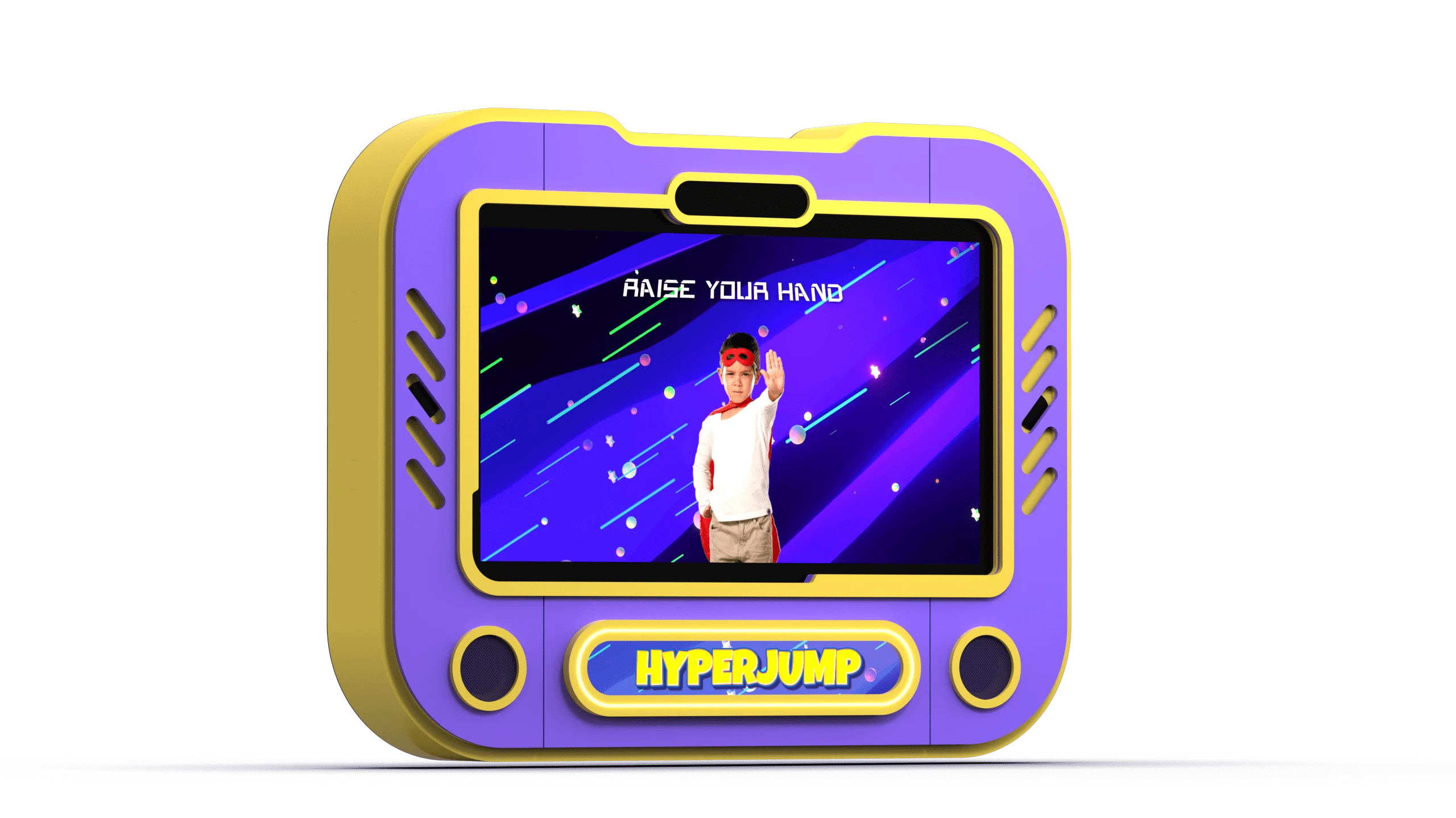
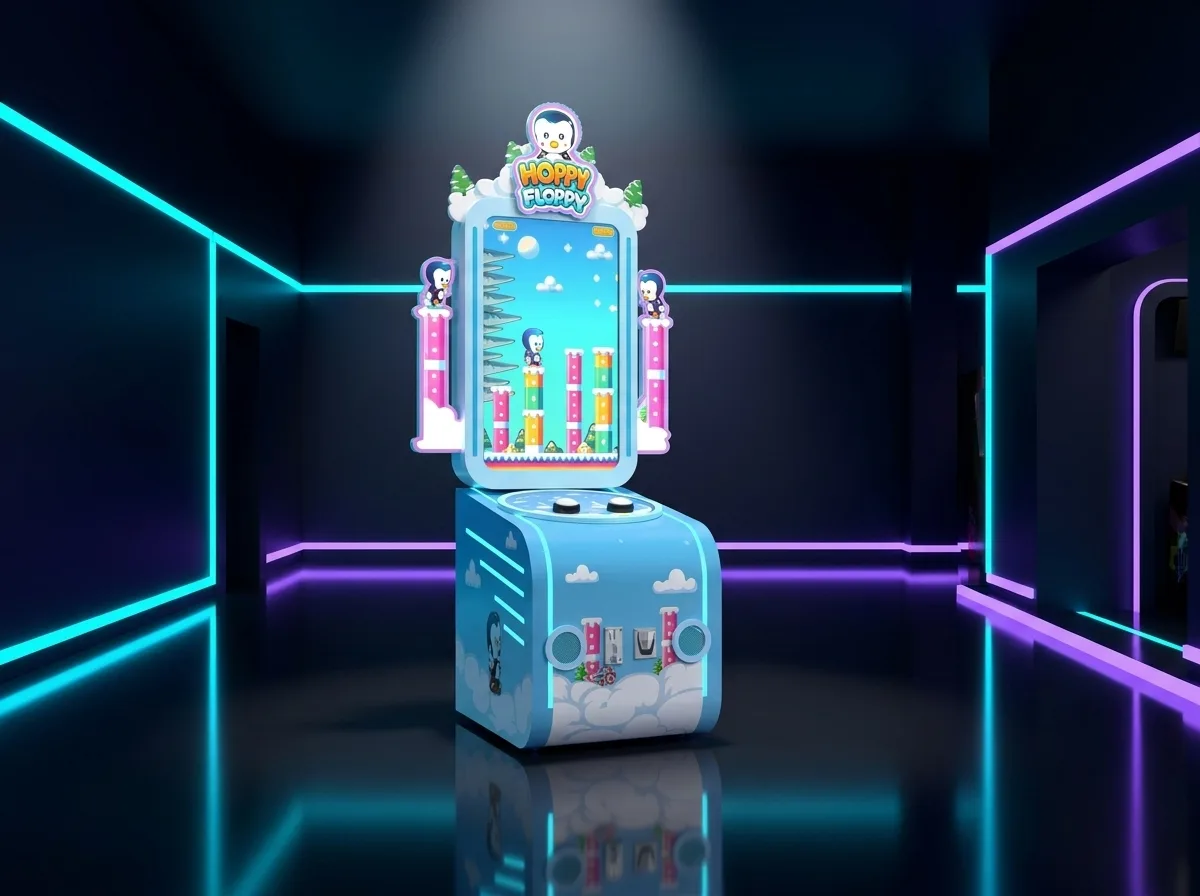
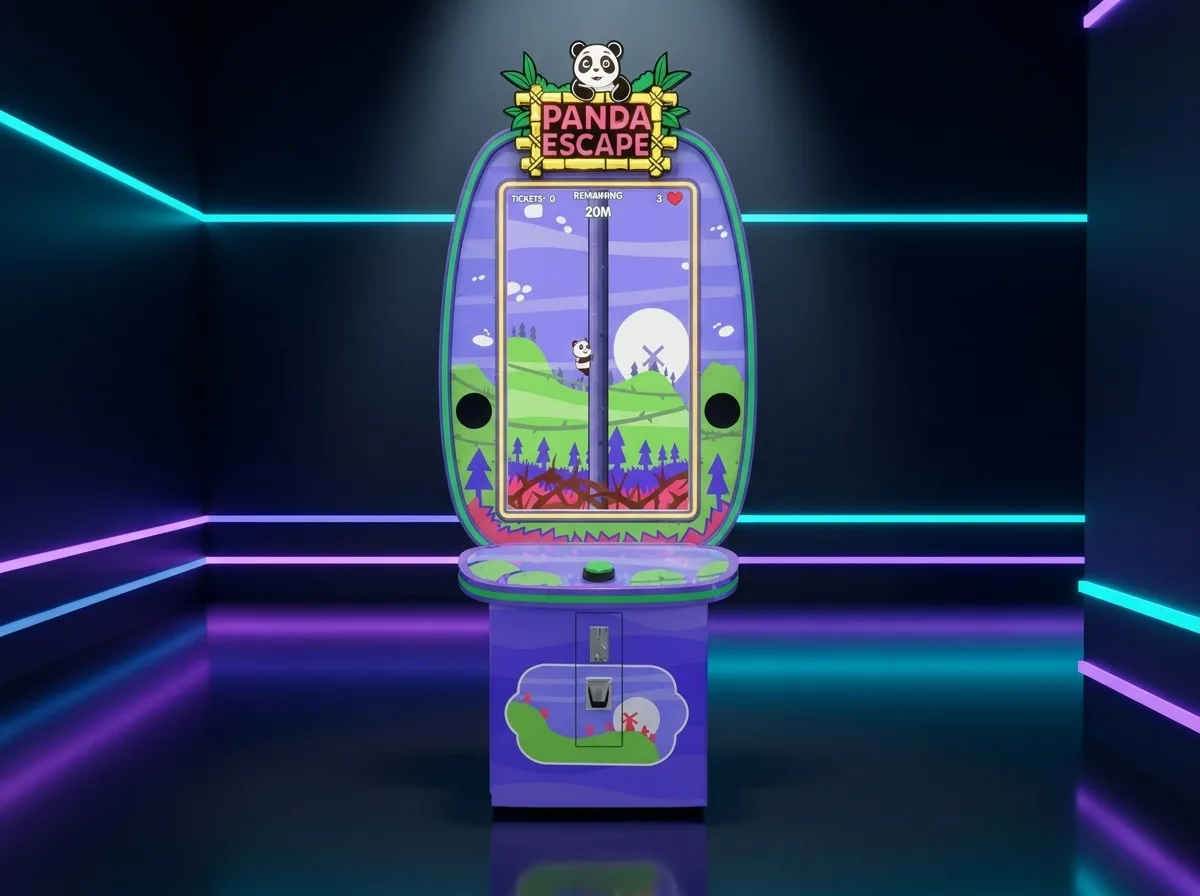
- Product range beyond photo booths. We manufacture AI photo booths (our flagship Pikcha product), claw machines, interactive projection floors and walls, gamified play-to-win kiosks, VR brand experience pods, and AI virtual try-on screens. If your activation concept requires something that doesn't exist yet, we can prototype it.
- Agency pricing — direct rates. No distributor markup, no retailer margin. You're buying from the people who build the machines. This means better margins for your agency and better pricing for your client.
- White-label option. Your agency's branding on the machine, not ours. We build it, you present it. Your client sees your brand, your quality, your delivery. We stay behind the scenes.
- Event-day support. On-site technician available in Delhi NCR. Remote support (screen sharing, remote diagnostics, live software updates) available nationwide. We don't disappear after delivery.
- Custom payment integration. UPI QR, dynamic UPI, RFID cards, NFC tap, coin and token acceptors, free-play with lead capture — we integrate whatever your activation needs.
- Analytics dashboard. Real-time session counts, revenue tracking, usage patterns, and lead data — accessible remotely. We can customize it to show the metrics your client cares about.
"Built in India by Bamigos. Share your activation brief with us."
We work with experiential agencies, BTL agencies, event management companies, and brand marketing teams directly. Some of our agency partners use us as their manufacturing arm for all interactive installations. Others come to us for specific projects. Both models work.
What we don't do: we don't compete with you for your client. We're not an agency. We're a manufacturer. Your client relationship stays yours. We just make sure the hardware and software perform flawlessly.
Source Your Next Activation From the Maker
Book a vendor evaluation call — we'll walk you through our capabilities, arrange a product demonstration, and quote against your brief. No generic catalogues. Just real answers about what we can build, how fast, and at what cost.
Book a Vendor Evaluation CallOr WhatsApp us directly: Send a message
Frequently Asked Questions
Do you offer a commission structure for agencies?
Yes. We work on a direct pricing model, and agencies add their own margin. We don't publish MRPs, so your markup is your business. For agencies that bring consistent volume (3+ projects per quarter), we offer volume pricing tiers that improve your margins further. Ask us about the agency partnership program during your evaluation call.
Can the machines be fully white-labelled?
Completely. We can remove all Bamigos branding from the cabinet, the software interface, the boot screen, and the printed output. The machine can carry your agency's name, your client's brand, or no brand at all. The analytics dashboard can also be white-labelled with your logo and domain.
What about pricing for multi-event or multi-unit deployments?
Multi-unit orders (3+ machines of the same type) get volume pricing. Multi-event contracts (using the same machines across multiple activations over several months) can be structured as a lease-to-own or a rental arrangement, depending on what works for your client. We're flexible — the goal is to make the unit economics work for recurring activations, not just one-off events.
Can we see the machines before we buy?
Our machines are built in India by Bamigos. Contact us to arrange a product demonstration.
Further Reading & Resources
Internal links:
- Pikcha AI Photo Booth — product details, specs, and pricing tiers
- Full product catalogue — all interactive experiences we manufacture
- How to Start a Gaming Zone Business in India — a complete guide
- Contact us — book a call or request a quote
Industry resources:
- EEMA — Event & Entertainment Management Association (India's apex body for the events industry)
- FICCI — Federation of Indian Chambers of Commerce and Industry, for industry events and trade shows
- IAAPI — Indian Association of Amusement Parks and Industries
This guide was written by the team at Bamigos.com, a New Delhi-based manufacturer of interactive games, photo booths, and experiential entertainment equipment. Our machines have been built in India by Bamigos since 2022. If you have questions about anything in this article, reach out at vk@bamigos.com.