Walk into any major mall in India today, and you'll find arcade zones buzzing with activity. From cutting-edge VR experiences to classic ticket-redemption games, India's arcade scene is more diverse and exciting than ever. Here are the 10 game categories defining the landscape in 2026.
1. VR Racing Simulators
Examples: Virtual Racer X, VR Racing Pod, Asphalt VR
VR racing has become the marquee attraction at premium FECs. Players sit in motion platforms that tilt and vibrate as they navigate virtual tracks at high speeds. The combination of VR headsets, surround sound, and physical motion creates an experience that traditional racing cabinets simply can't match.
Why they dominate:
- Premium pricing (₹150–300 per session)
- High "wow factor" that attracts crowds
- Appeals to teens, young adults, and even corporate groups
- Great for social media sharing
Where to find: Smaaash, Dave & Buster's, Timezone (select locations), The Game Palacio
2. AR Projection & Interactive Walls
Examples: AR Fruit Slash, Dino Dash, Interactive Ball Pool, Motion-Tracking Wall Games
Augmented reality projection games are transforming how families play together. These attractions project interactive games onto floors or walls, using motion sensors to track player movements. Kids can stomp on virtual bugs, slice fruit with their hands, or play collaborative sports games—all without holding any controller.
Why they dominate:
- Highly engaging for children ages 3–12
- Parents can easily join in
- Very Instagrammable—colorful, dynamic visuals
- Low maintenance compared to mechanical games
- Unique differentiator for FECs
Where to find: Select Timezone outlets, modern FECs with Bamigos interactive projection systems, premium play zones
3. Free-Roam VR Arenas
Examples: Zero Latency experiences, multiplayer VR shooters, escape-room VR
The next evolution beyond seated VR: free-roam arenas let groups of 4–8 players walk around warehouse-scale spaces while fully immersed in virtual reality. Players can explore, communicate, and strategize together while battling zombies, solving puzzles, or completing missions.
Why they dominate:
- Genuinely futuristic experience
- Perfect for group bookings and corporate events
- Premium pricing (₹800–1,500 per person for 30–45 minute sessions)
- Strong word-of-mouth and social sharing
Where to find: Zero Latency VR (Gurgaon, Mumbai), select Smaaash locations
4. Classic Redemption Games
Examples: Monster Drop, Spin the Wheel, Coin Pushers, Claw Machines, Skee-Ball
Don't let anyone tell you redemption games are dying—they're still the backbone of arcade revenue in India. These games dispense tickets based on skill or luck, which players collect to redeem for prizes ranging from small toys to electronics.
Why they dominate:
- Proven revenue generators (often the highest ₹/sq ft in an arcade)
- Accessible to all ages
- The prize motivation drives repeat play
- Creates a "casino-like" excitement without gambling
The psychology: Redemption games tap into the satisfaction of accumulation and the thrill of chance. Watch any family at an arcade—kids are invariably counting their tickets.
Where to find: Literally every FEC: Timezone, Fun City, Smaaash, local arcades
5. Esports Arcade Cabinets
Examples: Tekken 8, Street Fighter 6, FIFA eLeague, Valorant stations, racing leagues
Competitive gaming has gone mainstream, and FECs are capitalizing. Premium arcades now feature tournament-spec esports cabinets with the latest fighting games, racing simulators with competitive leaderboards, and even dedicated PC setups for popular online titles.
Why they dominate:
- Appeals to the 15–30 age group that might otherwise skip arcades
- Supports local tournaments and leagues (recurring revenue)
- Aligns with India's growing esports scene
- Creates community and repeat visits
Where to find: Rebellion eSports (Hyderabad), select Smaaash locations, The Game Palacio, dedicated esports cafés
6. Dance & Rhythm Games
Examples: Dance Dance Revolution, Pump It Up, Beat Saber Arcade, Taiko no Tatsujin
Dance and rhythm games remain some of the most visible attractions in any arcade. Players step on arrows, hit drums, or slice through beats in time with music. These games draw crowds of spectators, create energy, and provide surprisingly good cardio.
Why they dominate:
- Highly social—friends watch and cheer
- Physical activity appeals to health-conscious visitors
- Skill progression keeps dedicated players coming back
- Eye-catching displays attract passersby
Where to find: Timezone, Smaaash, Fun City (select locations)
7. Immersive Shooting Experiences
Examples: Halo: Fireteam Raven, Jurassic Park Arcade, Zombie Arena 360, Time Crisis 5
Light-gun shooters have evolved dramatically. Modern shooting games feature massive curved screens, surround sound, and increasingly cinematic experiences. Some use VR headsets for 360-degree immersion. The genre ranges from family-friendly dinosaur adventures to intense military simulations.
Why they dominate:
- Universal appeal—everyone understands "point and shoot"
- 2–4 player co-op creates social experiences
- Tied to popular entertainment franchises
- Quick sessions (5–10 minutes) = high turnover
Planning a Gaming Zone?
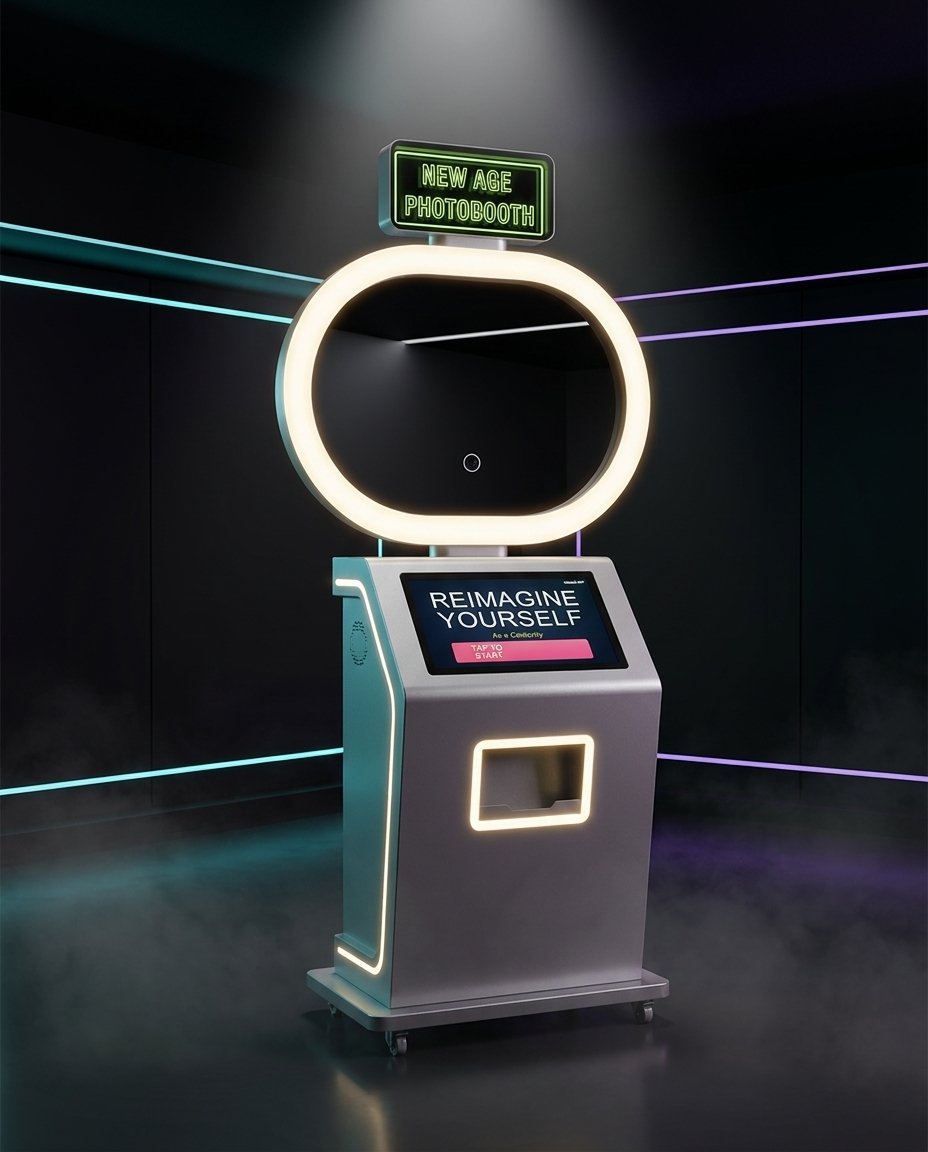
Get expert recommendations and pricing for your venue: including the Pikcha AI photo booth, a self-service photo attraction to evaluate for your venue. No obligation.
Where to find: The Game Palacio (featuring Halo), Smaaash, Timezone, Zero Latency (VR versions)
8. Motion Simulators
Examples: XD Theater, 5D/7D cinemas, roller coaster simulators, flight simulators
Motion platforms combined with synchronized video create mini-theme-park experiences in a small footprint. Riders sit in seats that move, shake, and tilt while watching immersive content—from roller coaster POVs to alien adventures to horror experiences.
Why they dominate:
- Theme-park thrills without theme-park space
- Easy to operate (movie-style sessions, not per-player)
- Appeals to families and thrill-seekers
- Content can be updated regularly
Where to find: Many malls have standalone XD/5D theaters; larger FECs integrate them into their offerings
9. Skill Games & Sports Simulators
Examples: Basketball hoops, air hockey, cricket simulators, golf simulators, punching machines
Physical skill games remain timeless. Whether it's shooting hoops against the clock, battling at air hockey, or testing your cricket batting in a simulator, these games combine competition with physical activity. Sports simulators especially resonate in sports-crazy India.
Why they dominate:
- Competitive—friends and families challenge each other
- Skill-based appeal (not just luck)
- Cricket and basketball simulators tap into massive fan bases
- Lower maintenance than complex electronics
Where to find: Smaaash (especially cricket simulations), Timezone, Fun City, every major FEC
10. Interactive Sand & Water Tables
Examples: AR Sandbox, Interactive Aquarium, projection sandboxes
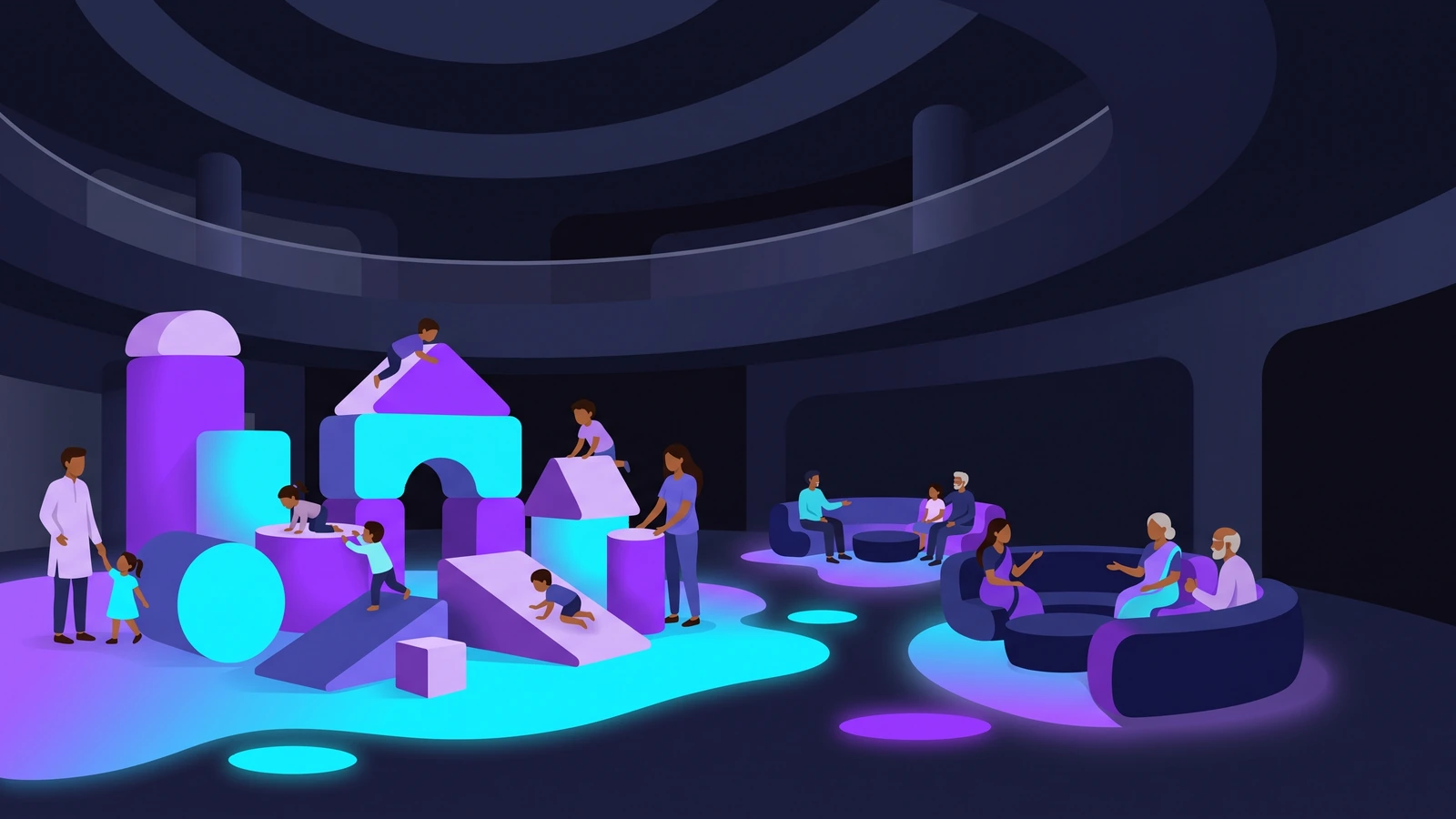
A newer category gaining traction: interactive sand and water tables use projection mapping and sensors to transform simple play materials into dynamic experiences. Children can build mountains and watch virtual water flow, interact with projected fish, or create landscapes that respond in real-time.
Why they dominate:
- Perfect for toddlers and young children (3–8 years)
- Encourages creative, open-ended play
- Unique offering that stands out from traditional arcades
- Parents appreciate the educational/creative angle
Where to find: Premium kids' play zones, museums, select FECs with toddler areas
The Technology Trend: From Physical to Digital to Hybrid
Looking at these categories, a clear pattern emerges: the most exciting arcade games in 2026 blend physical and digital experiences.
- VR uses headsets to transport players to digital worlds
- AR projection overlays digital experiences onto physical spaces
- Motion simulators combine video with physical movement
- Interactive sand/water merges tactile play with digital responses
Pure video game cabinets still exist, but the games generating the most excitement (and revenue) are those that engage the body as well as the eyes.
Where to Experience the Best Arcades in India
Premium/Luxury FECs
- The Game Palacio (a large mall in Mumbai) – 26,280 sq ft, 80+ games, ultra-luxury positioning
- Dave & Buster's (Bengaluru, Mumbai) – American chain with 75+ games plus full dining
Major Chains
- Timezone – 70+ locations nationwide, family-friendly, consistent quality
- Smaaash – 13 centers across 11 cities, sports-entertainment focus
- Fun City – Value-oriented, kid-centric, found in most major malls
VR Specialists
- Zero Latency VR – Gurgaon and Mumbai, free-roam multiplayer VR
Esports Lounges
- Rebellion eSports – Hyderabad, tournament-spec PCs, VR, racing sims
What's Coming Next?
Based on global trends and what operators are testing, expect to see:
- AI-powered personalization: Games that adapt difficulty and content based on player behavior
- Mixed-reality experiences: Blending real-world elements with AR/VR seamlessly
- Social/streaming integration: Games designed for easy content creation and sharing
- Haptic feedback: More sophisticated touch and force feedback in VR and motion games
- Subscription models: Monthly passes for unlimited play, similar to fitness memberships
The arcade of 2030 may look very different from today—but one thing won't change: people want to play together, compete, and experience things they can't get at home.
Final Thoughts
India's arcade scene is in a golden age. The combination of rising incomes, young demographics, mall expansion, and technological innovation has created a perfect environment for indoor entertainment to thrive.
Whether you're a consumer looking for the best gaming experiences, an entrepreneur considering entering the market, or an FEC operator looking to upgrade your offerings—the games listed above represent where the industry is headed.
The best arcades in 2026 aren't just rows of cabinets. They're immersive entertainment destinations that combine VR, AR, physical activity, and social experiences into something you simply can't replicate at home.
Planning the lineup for your arcade or gaming zone? The highest-margin machine you can add isn't a game at all — a self-service commercial photo booth machine earns Rs 1-4 lakh a month in about 6.3 sq ft. See specs and pricing for the Pikcha AI Photo Booth.
![LUMOplay vs Bamigos: Why Indian Venues Are Switching to 3D Interactive Projection [2026]](/uploads/lumoplay-vs-bamigos-interactive-projection-india.webp)
![ValoJump vs Hyper Jump: Complete Feature Comparison for Indian Trampoline Parks [2026]](/uploads/valojump-vs-hyper-jump-comparison-india.webp)
![FEC & Arcade Opportunities in India's Tier-2/3 Cities [2026]](/uploads/india-fec-arcade-industry-2026-market-guide.webp)