![FEC & Arcade Opportunities in India's Tier-2/3 Cities [2026]](/uploads/india-fec-arcade-industry-2026-market-guide.webp)
India's family entertainment center (FEC) and arcade industry is experiencing explosive growth. From high-tech VR arenas to classic redemption games, the sector is transforming how Indians spend their leisure time. This comprehensive guide covers everything you need to know about the market in 2026.
Market Size & Growth Trajectory
The numbers tell a compelling story of rapid expansion:
- Current market size: ₹4,350–4,500 crore in annual revenue (2024)
- Projected market size: ₹9,218 crore by 2030 (≈10–13% CAGR)
- Operational space: 6.6 million sq ft across 500+ centers in 83 cities
- Expected expansion: 11 million sq ft by 2028 (67% growth in built space)
India's arcade gaming segment alone is valued at $296.69 million (2024), forecast to reach $452.22 million by 2033. India now accounts for 5.6% of the global arcade gaming market.
Who Uses FECs & Arcades?
Understanding the audience is crucial for operators and investors:
Families (Middle & Upper-Middle Class)
The primary segment. They seek safe, all-weather indoor activities for children and visit primarily on weekends, holidays, and birthdays. These visitors value convenience, safety, and the "all-in-one" experience that FECs offer.
Children & Teens (5–18 years)
Drawn to high-energy attractions like trampolines, VR arenas, redemption games, and esports titles. This segment drives repeat visits and influences family decisions on which venue to choose.
Young Adults & Couples (18–35 years)
Looking for "experience nights out" that combine bowling, arcade gaming, dining, and often cocktails. Venues like Dave & Buster's and The Game Palacio specifically target this demographic with upscale offerings.
Corporate & Group Events
A significant revenue stream. FECs host team-building events, product launches, and family days. Major venues like KidZania and The Game Palacio can accommodate 500–1,500+ guests for corporate bookings.
Geographic Distribution: Metros vs Tier-2/3 Cities
Top Metro Markets
The top 8 metros—Delhi-NCR, Mumbai Metropolitan Region, Bengaluru, Hyderabad, Pune, Chennai, and Ahmedabad—host approximately 60% of India's FECs and about 3.75 million sq ft of indoor amusement space.
These markets feature:
- Ultra-luxury FEC concepts (The Game Palacio)
- International brands (Dave & Buster's)
- Free-roam VR centers (Zero Latency)
- Esports-style venues (Rebellion eSports)
The Tier-2/3 Opportunity
Tier-2 and Tier-3 markets already host 232+ FECs across 75 cities, totaling 2.8 million sq ft of space. Seven cities alone—Jaipur, Lucknow, Ludhiana, Kochi, Surat, Indore, and Chandigarh—account for 41% of Tier-2/3 centers.
Why operators are expanding here:
- Lower rents and operating costs
- Less intense competition
- Shortage of high-quality, branded indoor entertainment
- Growing middle class with rising disposable incomes
Major FEC & Arcade Chains in India
Timezone India
Part of a 300+ venue global network, Timezone operates 70+ venues across India. Offerings include large arcades, bowling, bumper cars, VR pods, and party zones. Their cashless Powercard rewards system encourages repeat visits.
Smaaash
With 13 centers across 11 cities, Smaaash positions itself as a sports-entertainment hybrid. Features include cricket and racing simulators, twilight bowling, VR experiences, go-karting, and extensive arcade sections.
The Game Palacio
Their 10th and most ambitious outlet at a large mall in Mumbai spans 26,280 sq ft—India's largest ultra-luxury gaming arcade. Features include 6 boutique bowling alleys, 80+ arcade games (including Tomb Raider and Halo: Fireteam Raven), VR zones, a cigar lounge, gourmet F&B, and a 360° bar.
Dave & Buster's India
The American chain has opened in Bengaluru (Koramangala) and Mumbai (Andheri West). Each location features 75+ arcade and VR games, bowling, sports screens, full-service restaurant and bar, and their signature Powercard cashless system.
Fun City
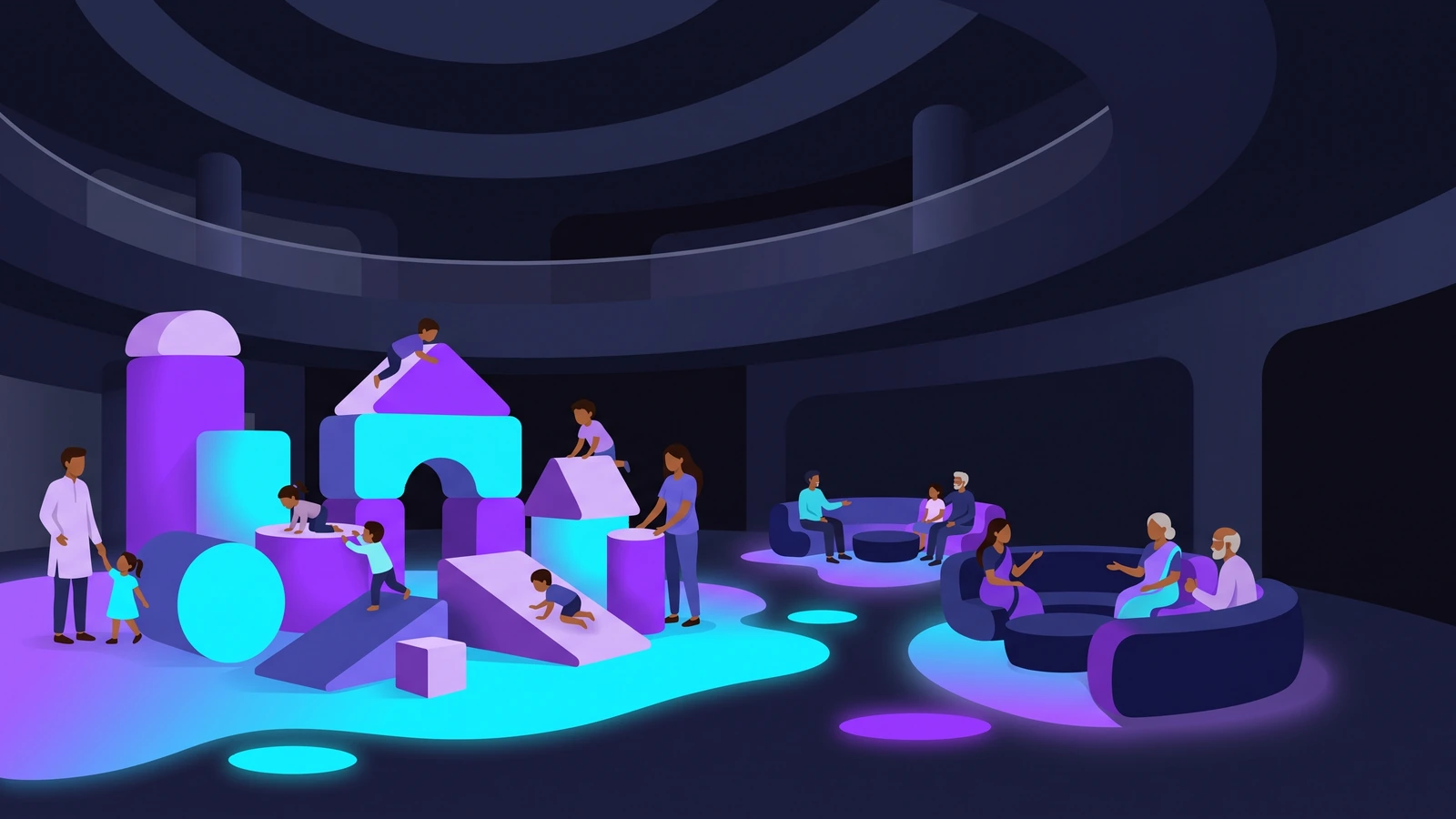
A value-oriented, kid-centric chain with multiple outlets across major malls nationwide. Offers classic arcades, rides, soft play areas, and redemption games at accessible price points.
Emerging Segments: VR, Esports & Edutainment
Location-Based VR (LBVR)
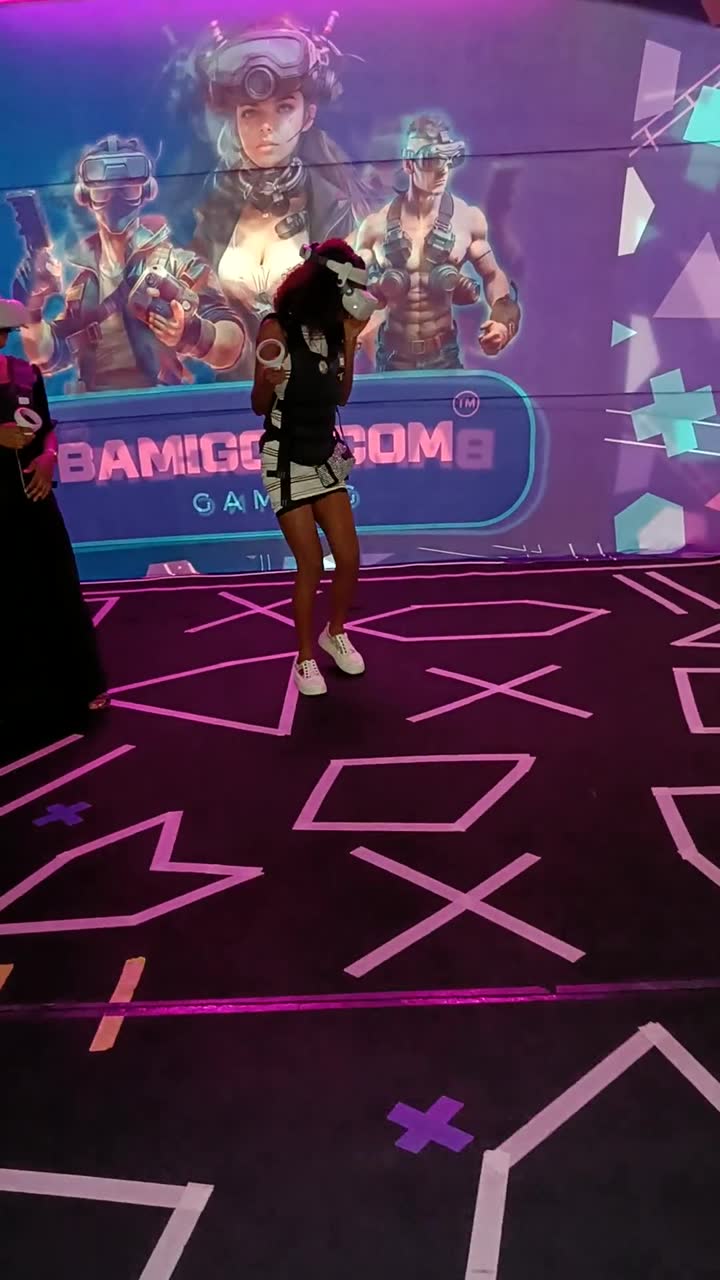
Zero Latency VR operates free-roam, warehouse-scale VR arenas in Gurgaon and Mumbai. Groups of 6–8 players walk around physically while fully tracked in VR, playing multiplayer games including zombie survival and sci-fi shooters. This format represents the future of immersive entertainment.
Esports & Gaming Cafés
Rebellion eSports in Hyderabad operates premium esports lounges with 20+ tournament-spec PCs, VR zones, racing simulators, streaming setups, and LAN tournament hosting. These venues blur the line between FECs and esports arenas, catering to older teens and young adults.
Edutainment
KidZania (Mumbai & Noida) offers a unique format: a mini-city where children role-play adult jobs. Beyond daily visitors, KidZania hosts corporate family days and product launches with capacity for up to 1,500 guests.
Popular Game Categories in 2026
Based on operator menus and 2025 indoor-park trends, these categories dominate:
VR Immersive Games
Examples include Virtual Racer X (VR racing simulator) and Zombie Arena 360 (360° VR shooting). High wow-factor, premium pricing, strong appeal for Gen-Z and young adults.
AR Projection & Interactive Walls
Planning an Entertainment Center?
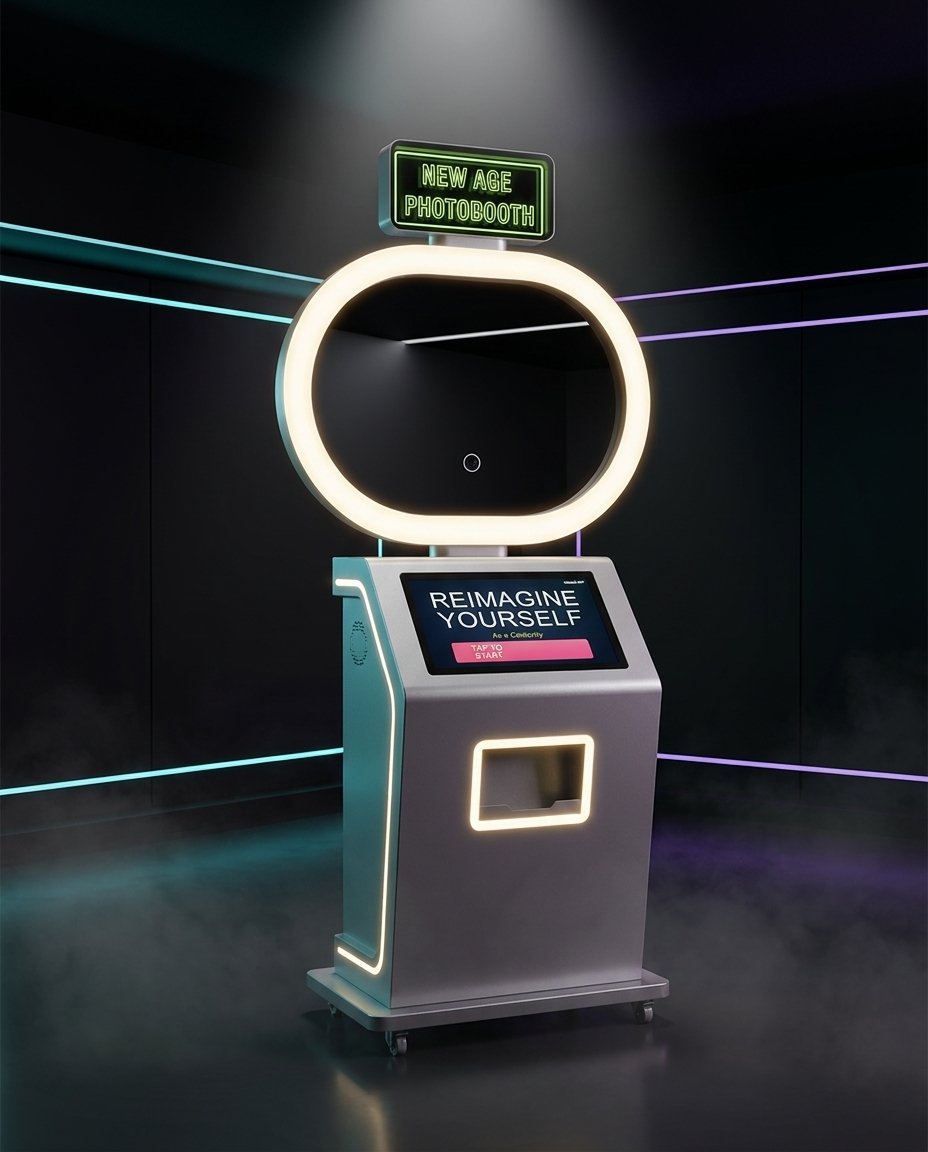
Get FEC equipment recommendations and pricing: including the Pikcha AI photo booth, a self-service photo attraction with a 6.3 sq ft equipment footprint.
Games like AR Fruit Slash and Dino Dash use motion-tracking on projection walls. Very family-friendly and ideal as interactive "wall zones" that are highly Instagrammable.
Redemption & Prize Games
Classics like Monster Drop Extreme and Spin the Wheel. Players earn tickets or points for physical prizes. This category typically delivers strong revenue per sq ft and encourages repeat visits.
Esports Arcade Cabinets
Titles like Tekken 8, FIFA eLeague, and Street Fighter 6. Support local tournaments and leagues, great for building community and events.
Dance & Rhythm Games
Dance Revolution and Beat Saber Arcade remain crowd-pullers. Social, fitness-centric, and highly visible—these attract attention and foot traffic.
Investment Economics: What It Costs & What You Can Earn
Typical Investment Range
For a quality FEC:
- Capex per sq ft: ₹6,000–₹10,000 (including equipment and fit-out)
- Typical 12,000 sq ft center: ₹7–12 crore total investment
Payback Period
- Cash breakeven: 2–3 years for well-located centers
- ROI breakeven: Often 40–48 months
Customer Spend Benchmarks
Using Fun City's pricing as a proxy:
- Single game: ~₹110
- Basic packs: ₹1,100 for 11 plays (₹100/play) to ₹2,700 for 33 plays (₹82/play)
- VIP packs: ₹10,000 for 180+ plays (₹50–56/play)
- Play area membership: ₹999/month or ₹1,499 for 3 months
A typical family of four can spend ₹1,000–₹2,000+ per visit on games alone, excluding F&B.
The Supply-Side Ecosystem
Behind every successful FEC is a robust equipment and services ecosystem.
CSML Group stands out as a leading integrator and equipment supplier:
- Exclusive distributor for Brunswick Bowling in India
- Installed 1,000+ Brunswick bowling lanes
- Deployed 17,000+ arcade and amusement games across 200+ centers
- Offers turnkey solutions: concept design, equipment, installation, and management contracts
- Supplies laser tag systems (Laserblast) and cashless payment solutions (Intercard)
For interactive projection games, AR/VR attractions, and innovative gaming solutions, Bamigos provides turnkey gaming-zone solutions designed specifically for the Indian market.
Regulatory Landscape
Prize Competitions Act, 1955
This law governs prize competitions and sets important limits:
- Prize competitions with total prize value exceeding ₹1,000 per month require proper licensing
- Operators must maintain detailed accounts and submit periodic reports
- Violations can attract fines and possible imprisonment
Online Gaming Act, 2025
The Promotion and Regulation of Online Gaming Act focuses on online money games (both skill and chance):
- Bans offering, advertising, or facilitating online money games
- Does NOT cover physical arcade machines or on-site redemption games
- Physical arcades are legal as long as no online betting or real-money wagering is involved
Growth Drivers & Future Outlook
Several factors are fueling continued expansion:
Demographics
Approximately 67% of India's population is under 45, creating a massive addressable market for entertainment experiences.
Mall Expansion
India is projected to have 56+ million sq ft of Grade-A mall space by 2028, with indoor entertainment commanding a fixed share of each development.
Rising Incomes
The growing middle and upper-middle class increasingly prioritizes experiences over products, driving demand for premium entertainment options.
Technology Integration
VR, AR, and AI-powered attractions are making FECs more engaging and Instagrammable, attracting younger demographics and social-media sharing.
Multi-Format Evolution
The trend is moving from single-activity venues to "indoor adventure parks" combining trampolines, arcades, VR, bowling, F&B, and events under one roof.
Conclusion
India's FEC and arcade industry is at an inflection point. With the market on track to more than double by 2030, opportunities abound for operators, investors, and equipment suppliers alike. Whether you're looking at metros for premium concepts or Tier-2 cities for first-mover advantages, the fundamentals are strong.
The key to success lies in:
- Choosing the right location and format
- Investing in quality equipment and safety
- Building diverse revenue streams (tickets, memberships, events, F&B)
- Partnering with experienced suppliers who understand the Indian market
Ready to explore the opportunity? Browse our range of interactive gaming solutions or get in touch for a customized proposal.
![LUMOplay vs Bamigos: Why Indian Venues Are Switching to 3D Interactive Projection [2026]](/uploads/lumoplay-vs-bamigos-interactive-projection-india.webp)
![ValoJump vs Hyper Jump: Complete Feature Comparison for Indian Trampoline Parks [2026]](/uploads/valojump-vs-hyper-jump-comparison-india.webp)